Your First 90 Days of Flight Training in LA: A Realistic Plan

Published by:
Anthony N.
Published on:
Updated on:
Read time:
8 min read
The students who finish a Private Pilot certificate are usually the ones who kept their momentum, whatever their natural talent. Flight training is a skill built through repetition, and the first 90 days decide whether you build a rhythm or a habit of rescheduling.
This post gives you a realistic plan for those 90 days from our team at LA Flight Academy: how often to fly, what to handle in the first two weeks, how to study between lessons, where to check your budget, and the three places where students typically lose ground. Ninety days is a planning window. What you reach by day 90 depends on your pace, the weather, and how each skill settles in. The goal is a training rhythm you can keep. If you want to know which milestones you are building toward, read Private Pilot milestones from first lesson to checkride, the previous post in this series.
Week one and two: handle the tasks that stall students later
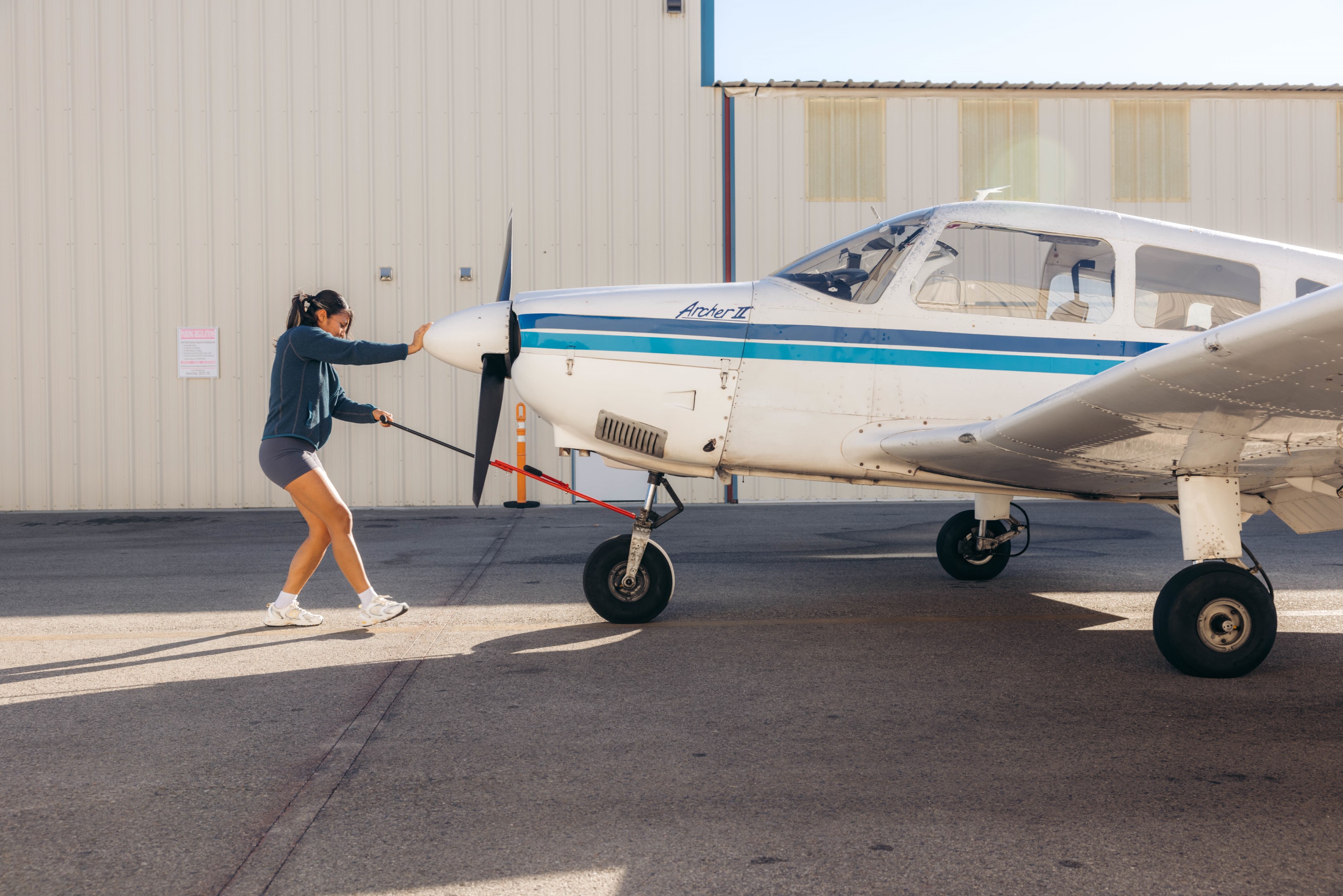
The first two weeks are about removing obstacles before they matter. Three tasks belong here, and all three are easier now than in month three.
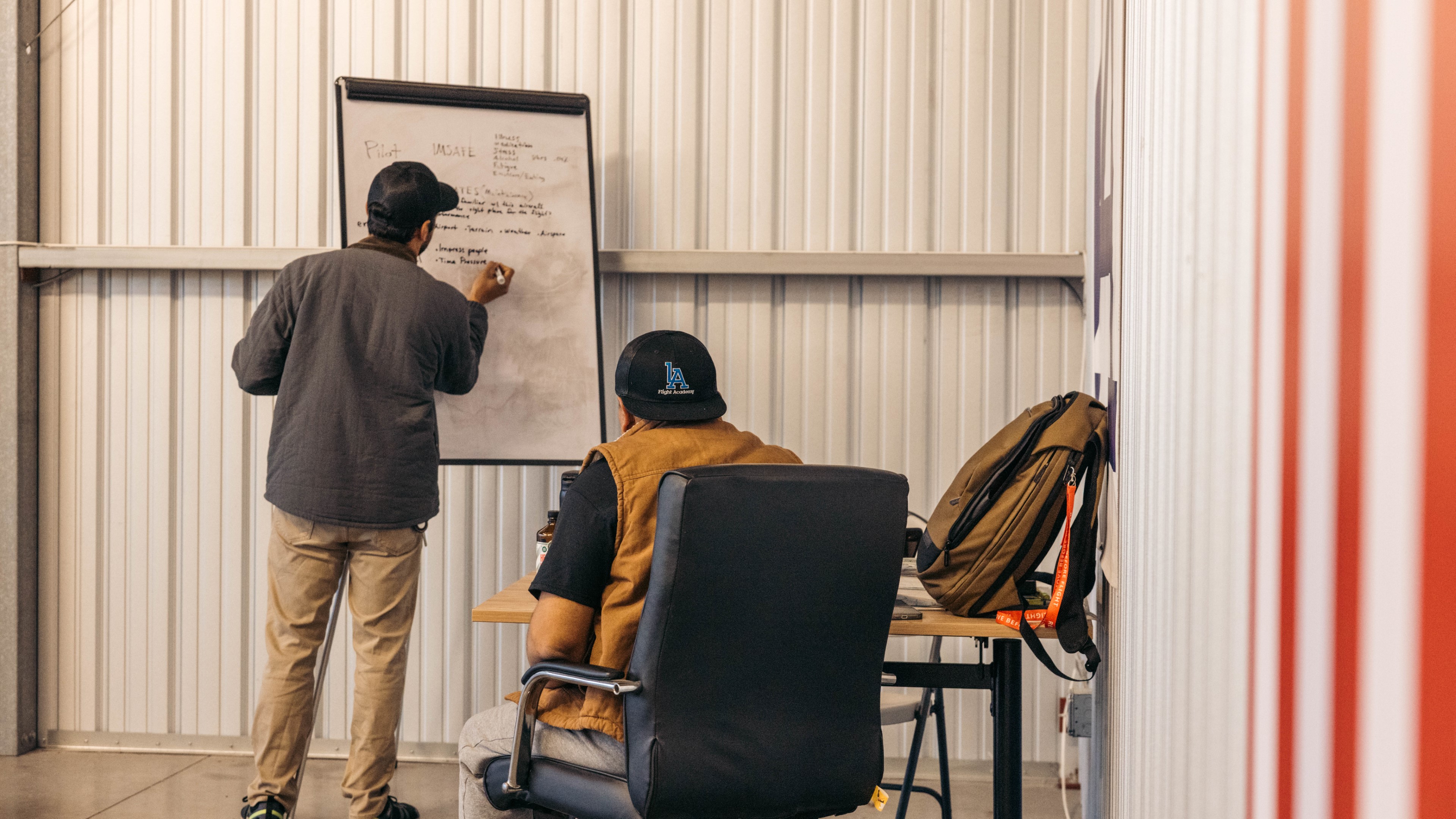
First, schedule your medical exam with an FAA-designated Aviation Medical Examiner. Most airplane students need at least a third-class medical before solo, and solo tends to arrive sooner than new students expect. The FAA’s medical certification resources explain how to find an AME. Take any health questions to the AME.
Second, start your student pilot certificate application with your instructor. It takes time to arrive, and you need it before solo. Third, block your lesson slots on the calendar for the full 90 days. Because we train under Part 61, we build the schedule around your availability rather than a fixed class start date. Our Private Pilot course explains how ground and flight training run in parallel from the first week.
The weekly rhythm that keeps skills from fading
Flying skills decay between lessons. A student who flies once every two weeks spends the first part of each lesson recovering what faded. Many instructors recommend two or three lessons a week so each flight builds on the last. That number is the baseline for this plan; your budget and schedule set the final pace.
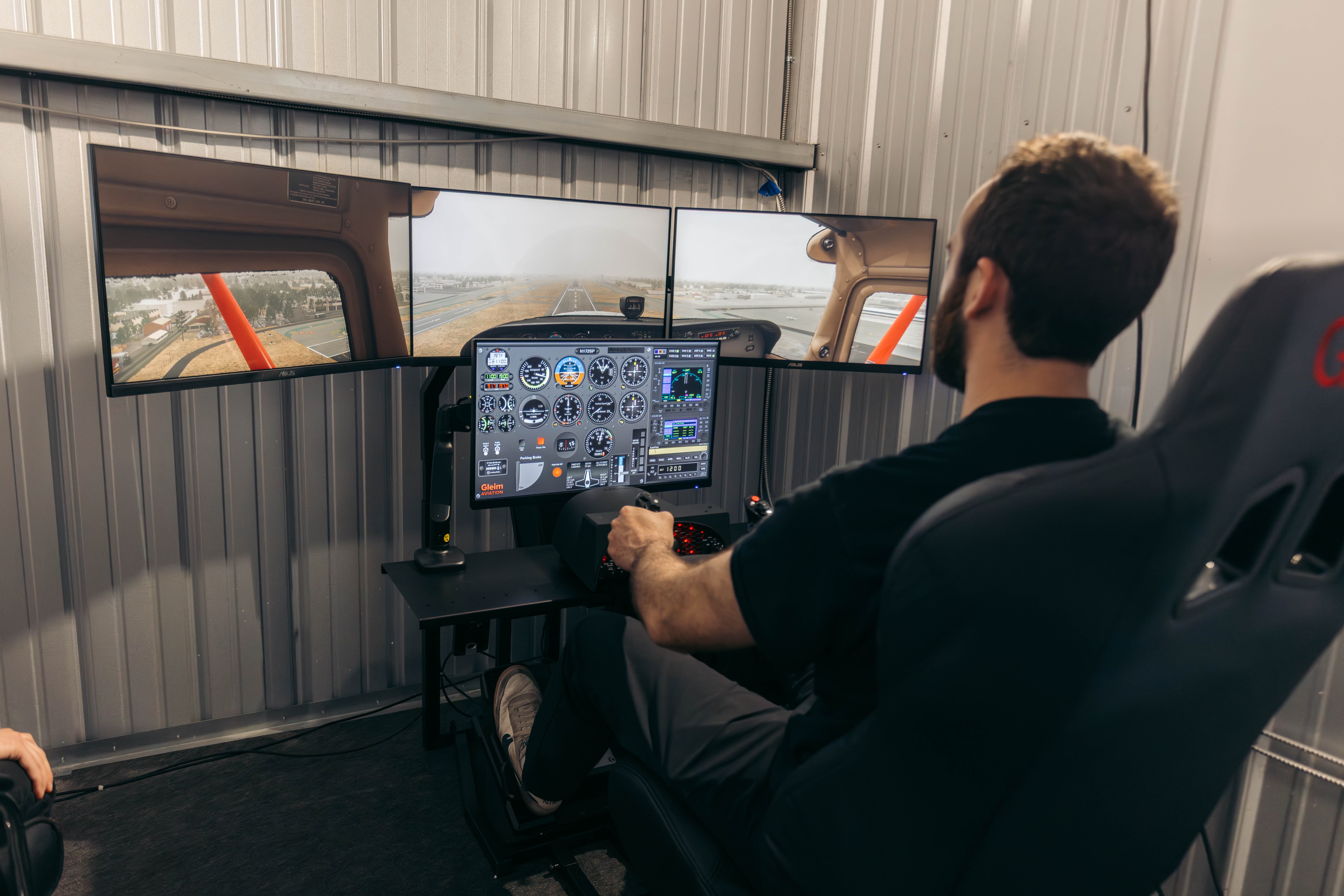
A realistic week looks like this. Two flight lessons, each about two hours at the airport including briefing and debrief. One ground session, either with an instructor or self-study on the week’s topic. Two or three short study blocks at home: reviewing debrief notes, chair-flying the pattern, rehearsing radio calls out loud. Add a simulator session when a procedure needs repetition; our Gleim BATD simulator lets you rehearse checklists and emergency flows on the ground for less than airplane time.
| Day | Activity | Time |
|---|---|---|
| Tuesday | Flight lesson with briefing and debrief | About 2 hours |
| Wednesday | Study debrief notes, next maneuver, radio calls | 30 to 45 minutes |
| Thursday | Ground school topic or simulator session | 1 to 2 hours |
| Saturday | Flight lesson with briefing and debrief | About 2 hours |
| Sunday | Chair-fly the pattern, review for the week ahead | 30 minutes |
Two steady lessons a week for twelve weeks does more than a burst of six lessons followed by a month off. Our post on how many hours the certificate takes shows why lesson frequency is one of the biggest levers on your total hours.
Plan around Los Angeles weather
Southern California gives you a lot of flyable days, and it also has patterns worth planning for. The coastal marine layer can settle over the valley on late spring and early summer mornings, pushing an 8 a.m. lesson to late morning or converting it into a ground session. Winter brings occasional rain systems and stronger winds.
The response is simple. Book some lessons later in the morning during marine layer season, keep a ground topic ready for any weather cancellation, and treat the reschedule as part of the rhythm. Your instructor makes the go or no-go call, and watching that decision process is itself part of learning to fly. Our post on California flight training weather and airspace goes deeper on what to expect through the year.
Check the budget at day 30 and day 60
Flight training cost varies with aircraft time, instructor time, ground instruction, supplies, the medical exam, knowledge test and checkride fees, and the hours you personally need. A 90-day plan needs two budget checkpoints along the way.
At day 30, compare what you have spent against your planned pace. If the numbers are drifting, adjust the pace now rather than pausing later, because a pause costs repeated lessons. At day 60, look ahead: testing fees and checkride costs cluster near the end of training, so this is the moment to confirm they are covered.
We offer financing information for students who want to spread the cost, with approval and terms set by the applicable provider. Students who review us often mention honest business practices, and part of that is helping you see the full cost picture early. Our guide to funding pilot training covers grants, loans, and strategies that others have used.
Where students lose momentum, and how to avoid each one
Three patterns show up again and again when a student stalls. All three are preventable in the first 90 days.
The first is a paperwork gap. A student reaches solo readiness and then waits weeks for a medical or a student certificate. Handling both in week one, as above, closes that gap before it opens.
The second is a long break. A vacation or work crunch turns into a month without flying, and the first lesson back is spent relearning. If you know a break is coming, fly more before it and schedule the return lesson before you leave. Even a simulator session or ground lesson during the gap keeps the material alive.
The third is a quiet budget squeeze. Costs creep, the student slows to one lesson every two weeks, and progress stalls without anyone naming the cause. The day 30 and day 60 check-ins catch it, and so does an honest conversation with us about pace. We would rather help you plan a sustainable rhythm than watch you drift. Contact us about current instructor and aircraft scheduling so your plan matches what is available.
What 90 days of steady training can set up
With two or three lessons a week and the early tasks handled, here is what the first 90 days typically build toward. Your instructor sets the timing of each checkpoint based on what they see.
| Window | Likely focus | Possible checkpoint |
|---|---|---|
| Days 1 to 30 | Preflight, taxi, radio basics, four fundamentals, first maneuvers | Medical and student certificate in hand |
| Days 31 to 60 | Slow flight, stalls, ground reference maneuvers, pattern work | Landings becoming consistent |
| Days 61 to 90 | Landings, go-arounds, emergency procedures, knowledge test study | Solo readiness, for students whose pace allows it |
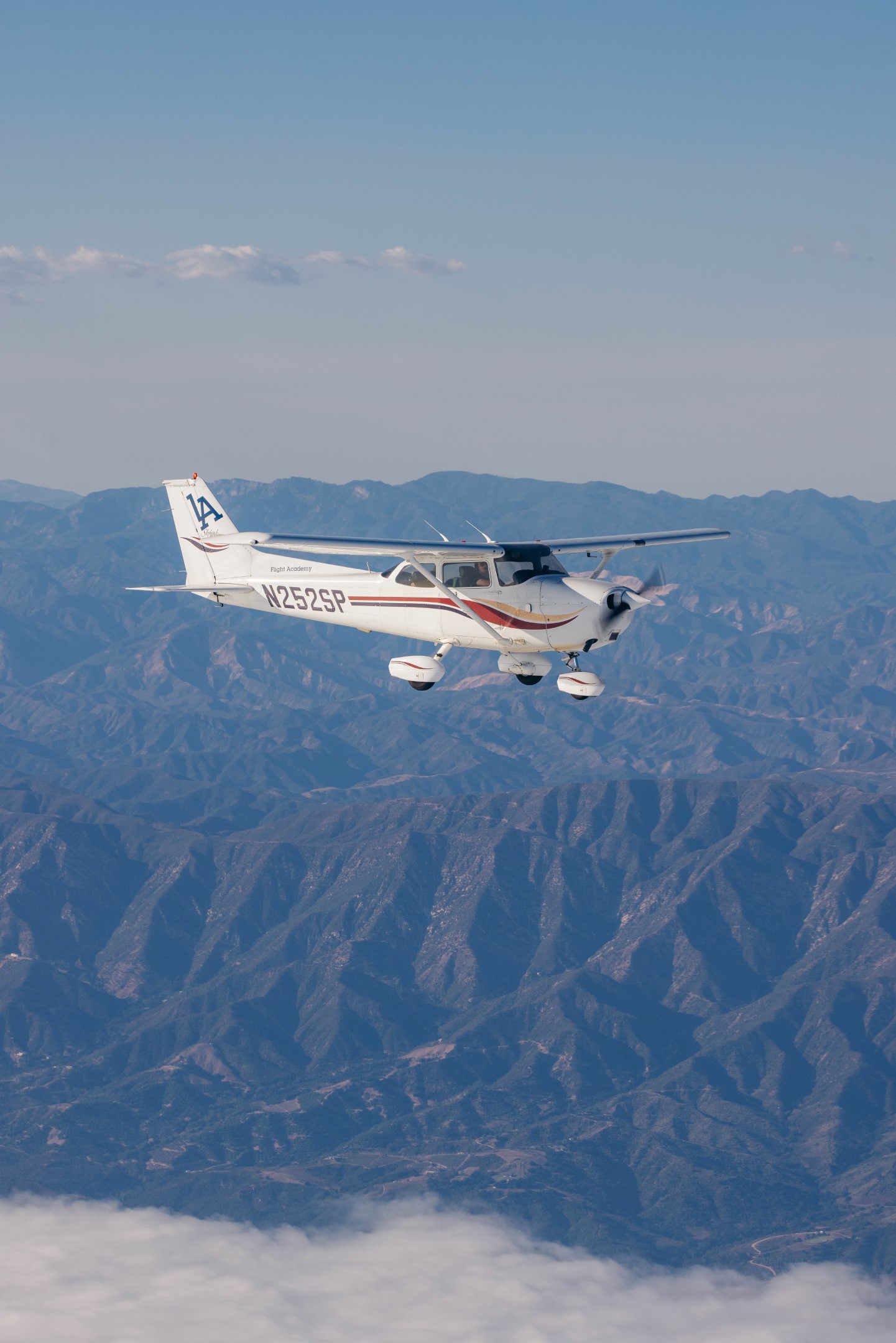
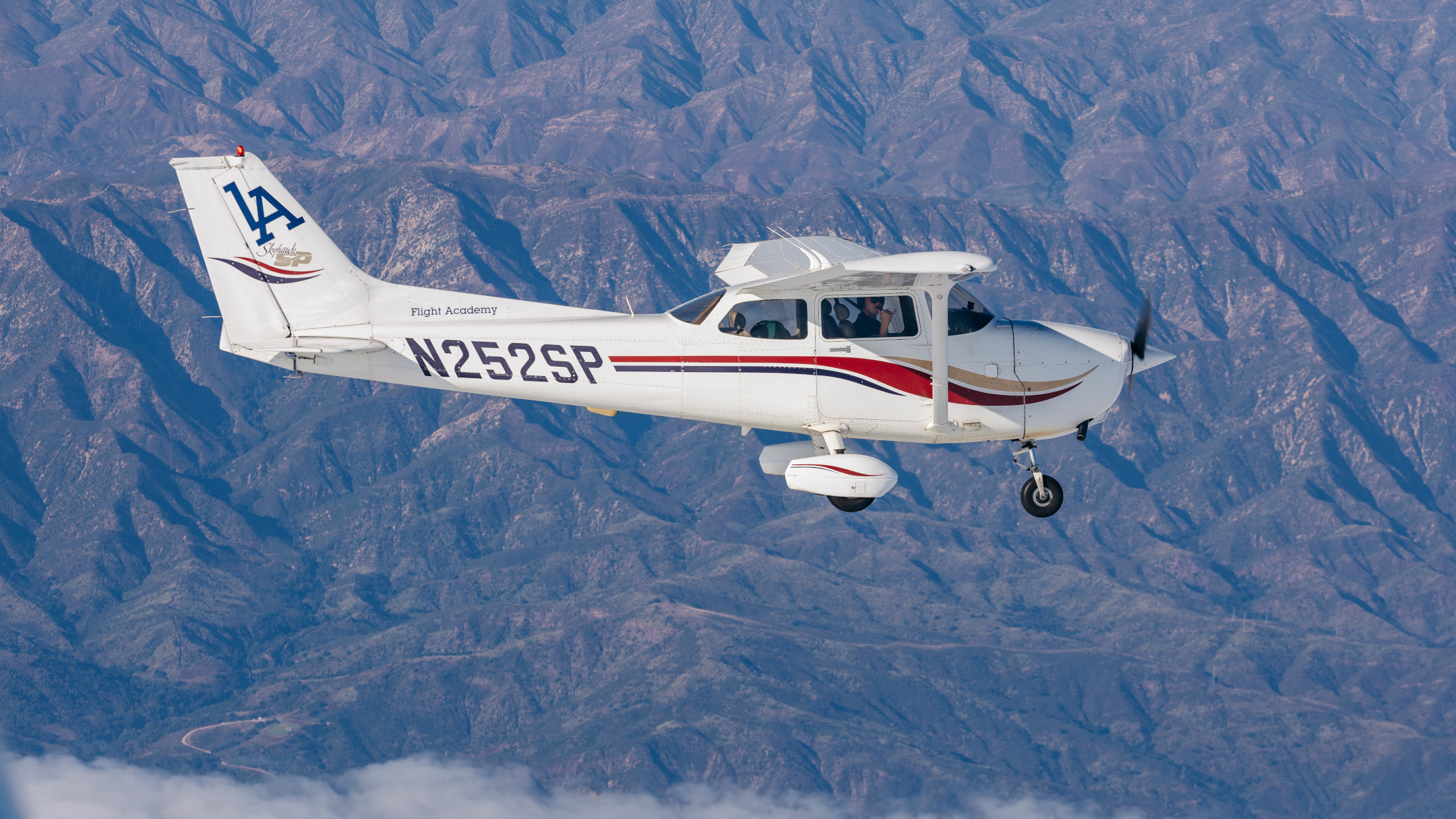
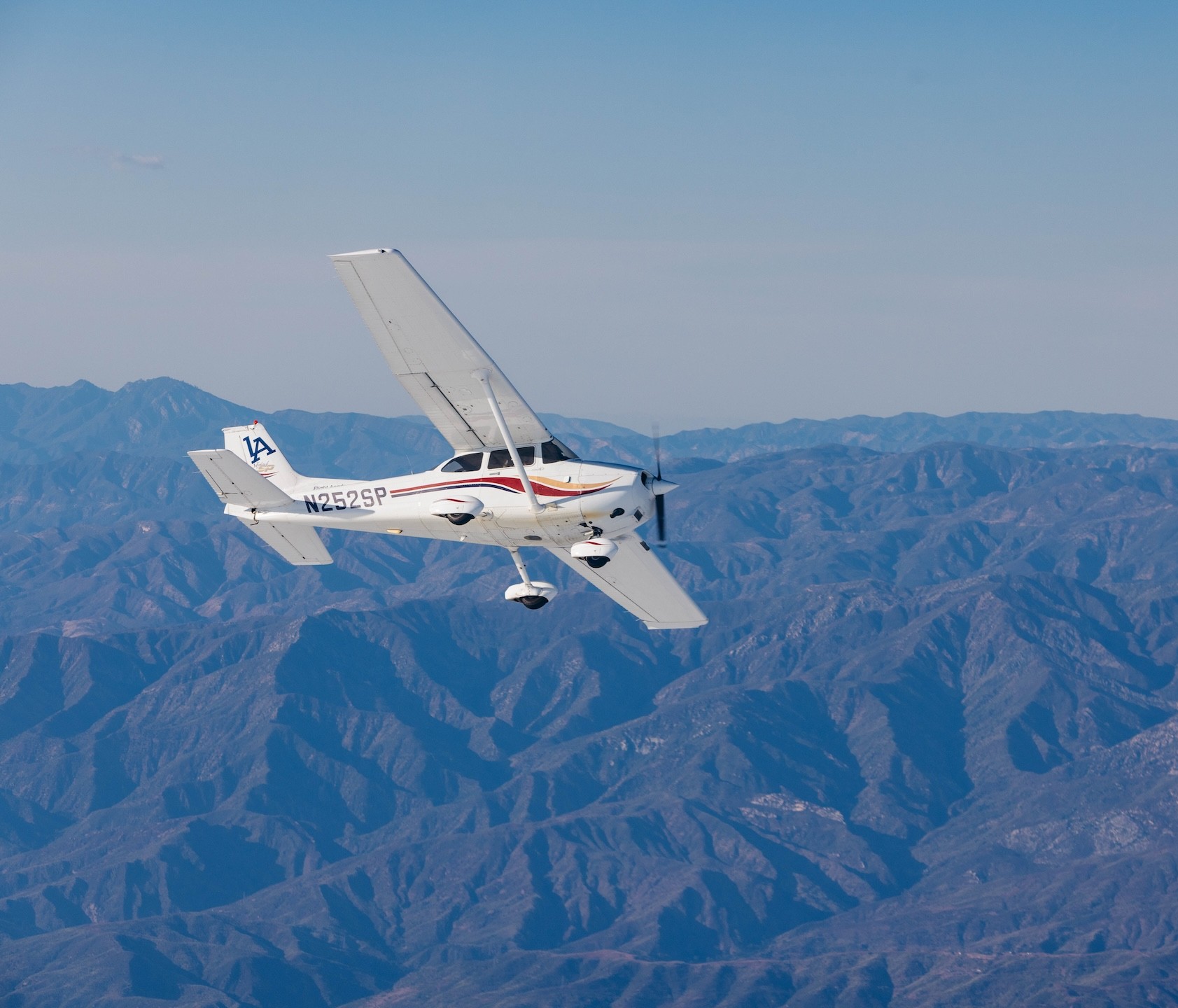
The training environment supports this rhythm. Van Nuys is a towered airport, so radio and ATC skills grow with every lesson, and the varied Los Angeles terrain gives your instructor useful ground reference and navigation lessons close to home. Our Van Nuys training guide describes what that looks like day to day.
Frequently asked questions
How often should I fly in my first 90 days?
Many instructors recommend two or three lessons a week. Fewer than one a week makes each lesson a partial repeat of the last.
Will I solo within 90 days?
Some students do and some do not. Your instructor endorses solo when your landings and judgment are consistent, and a steady pace with early paperwork gives you the best chance.
What should I do first when I start training?
Schedule your AME medical exam and start the student pilot certificate application. Both are needed before solo and both take time.
How much does the first 90 days cost?
It varies with your pace and the aircraft you fly. Plan for aircraft, instructor, ground instruction, materials, and the medical exam, then check your spending at day 30 and day 60. Our financing page covers options for spreading the cost.
What if the weather cancels my lesson?
Convert it into a ground session or simulator time. A cancelled flight does not have to be a lost week when a study topic is already queued.
Can I train with the same instructor throughout?
We aim to keep you with a consistent instructor because continuity helps your instructor spot small changes between lessons. Contact us to discuss current scheduling and availability.
Build your 90-day plan with us
You now have a rhythm, a checklist for the first two weeks, two budget checkpoints, and the three momentum killers to watch for. Bring your calendar and your goals, and we will help you match them to instructor and aircraft availability at Van Nuys.
Contact LA Flight Academy to talk through your schedule, your budget, and your first lesson date.