Discovery Flight Near Me: 7 Checks Before You Book in 2026
Published by:
Anthony N.
Published on:
Updated on:
Read time:
8 min read
You typed “discovery flight near me” and got a screen full of options around Los Angeles. Most of them promise the same thing: a short flight, a nice view, and a chance to take the controls. On the surface they look interchangeable, and that is where people end up booking a ride that teaches them very little.
The short answer from our team at LA Flight Academy: a good discovery flight is a real first lesson. You fly with a certificated instructor, in a training airplane, from an airport that teaches you something, and the time can move you toward a pilot certificate. Below are the seven checks we would run before booking anywhere, and how each one works on a discovery flight with us at Van Nuys Airport (VNY).
The seven checks at a glance
Each check changes what you get for your money, so it helps to see all seven side by side before the details.
| Check | Why it changes your flight | How we handle it at Van Nuys |
|---|---|---|
| 1. Who your instructor is | Decides whether you get teaching or a ride | An FAA-certified flight instructor (CFI) flies with you |
| 2. Which aircraft you fly | Decides whether your first hour matches real training | Our primary trainers are Cessna 172s and Piper Archers |
| 3. Whether the time can be logged | Decides whether the flight counts for anything later | Time can count toward your Private Pilot certificate if you continue |
| 4. How the route is chosen | Decides whether safety or sales sets the plan | Your instructor picks it for weather, traffic, airspace, and safety |
| 5. Briefing and debrief | Decides how much you learn on the ground | Both are part of every discovery flight |
| 6. The airport and airspace | Decides what skills you see from day one | A busy towered airport with radio work from the first flight |
| 7. The next step into training | Decides how easy it is to keep going | Same instructors, same fleet, no pressure and no obligation |
If you want a step-by-step picture of the day itself, our guide to your first flight lesson in Los Angeles walks through it from arrival to landing.
1. Make sure a certificated flight instructor sits next to you
The single biggest difference between discovery flights is who is in the right seat. A CFI holds an FAA flight instructor certificate. That certificate is what turns your time in the air into training instead of a passenger experience.
At LA Flight Academy, you fly with an FAA-certified flight instructor on every discovery flight. Your instructor teaches while you fly, explains each control before you touch it, and hands you the airplane once you reach a safe altitude. Many of our instructors are trained in-house, and you can meet the team on our crew page.
If the person flying with you is not a certificated instructor, none of that time can count toward a certificate. You might still enjoy the ride, but you would be starting your training from zero afterward.
2. Know which airplane you will be flying
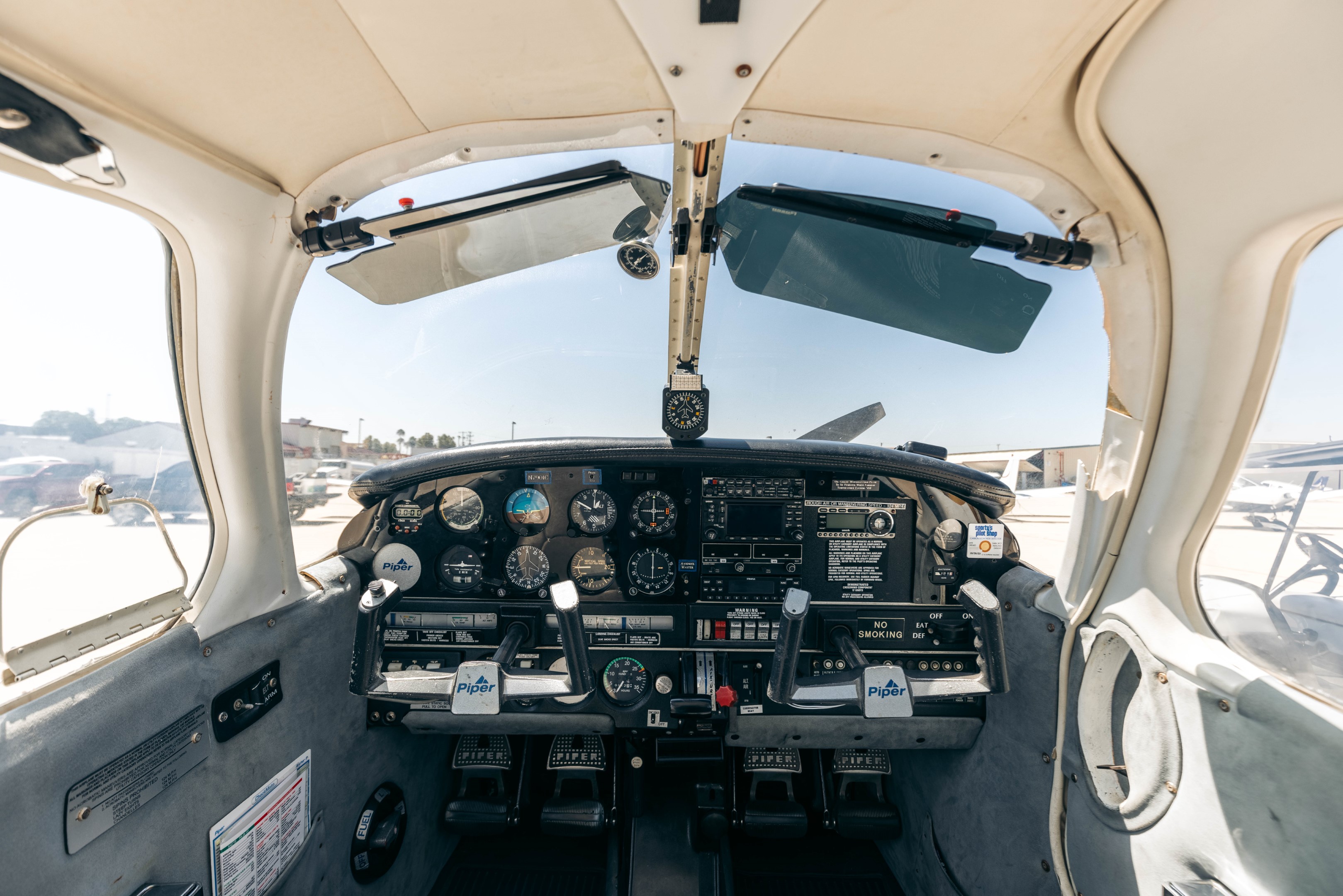
The aircraft you fly on a discovery flight tells you a lot. If it is the same kind of airplane students train in, your first impression of the controls, the cockpit layout, and the visibility will carry straight into your lessons.
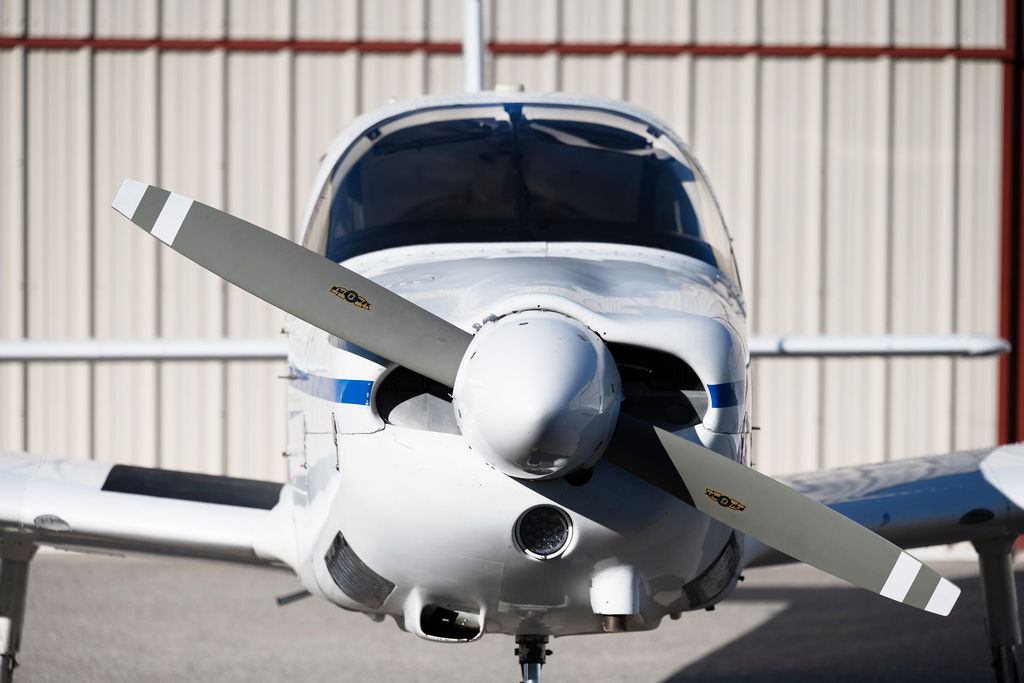
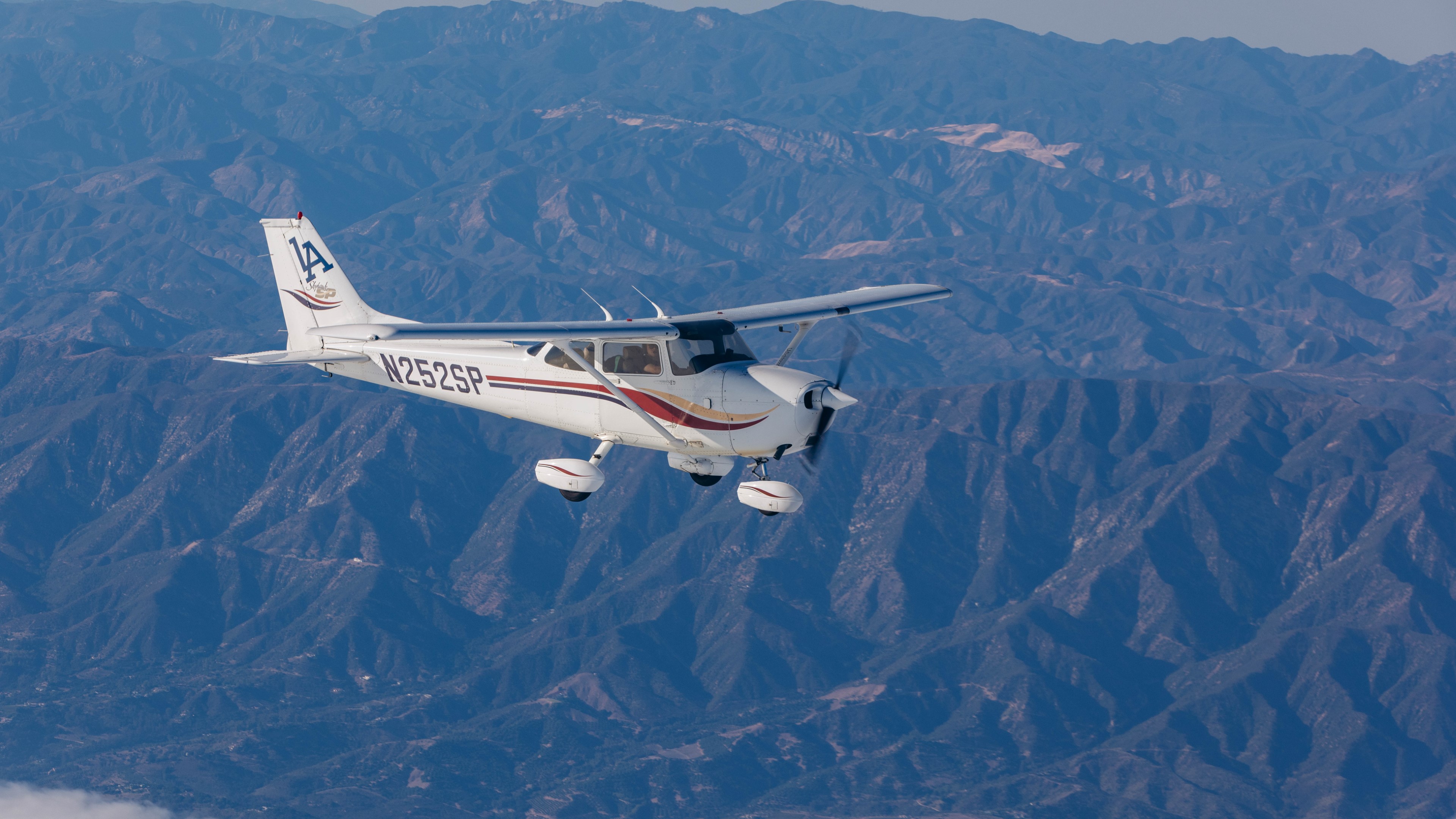
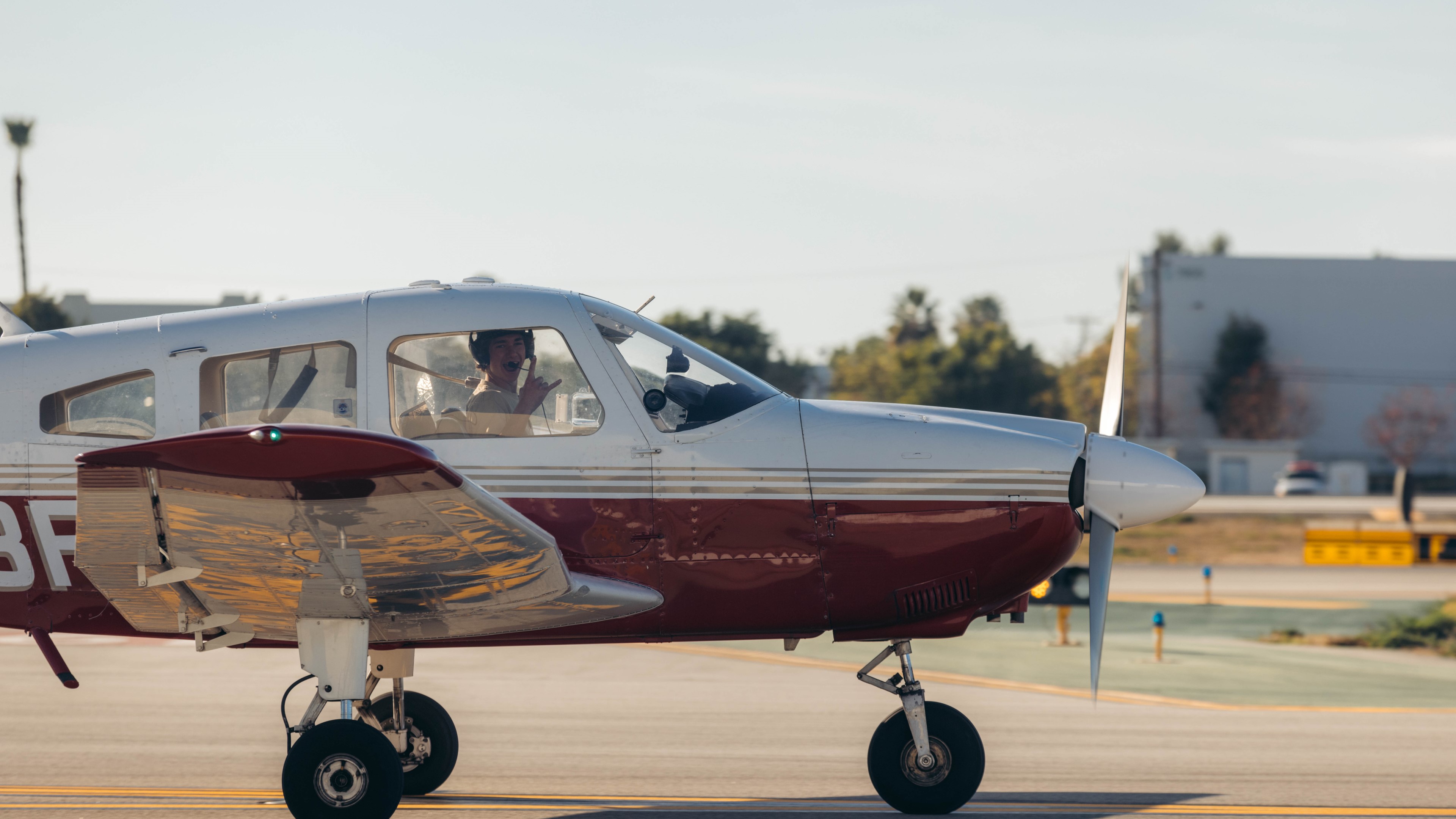
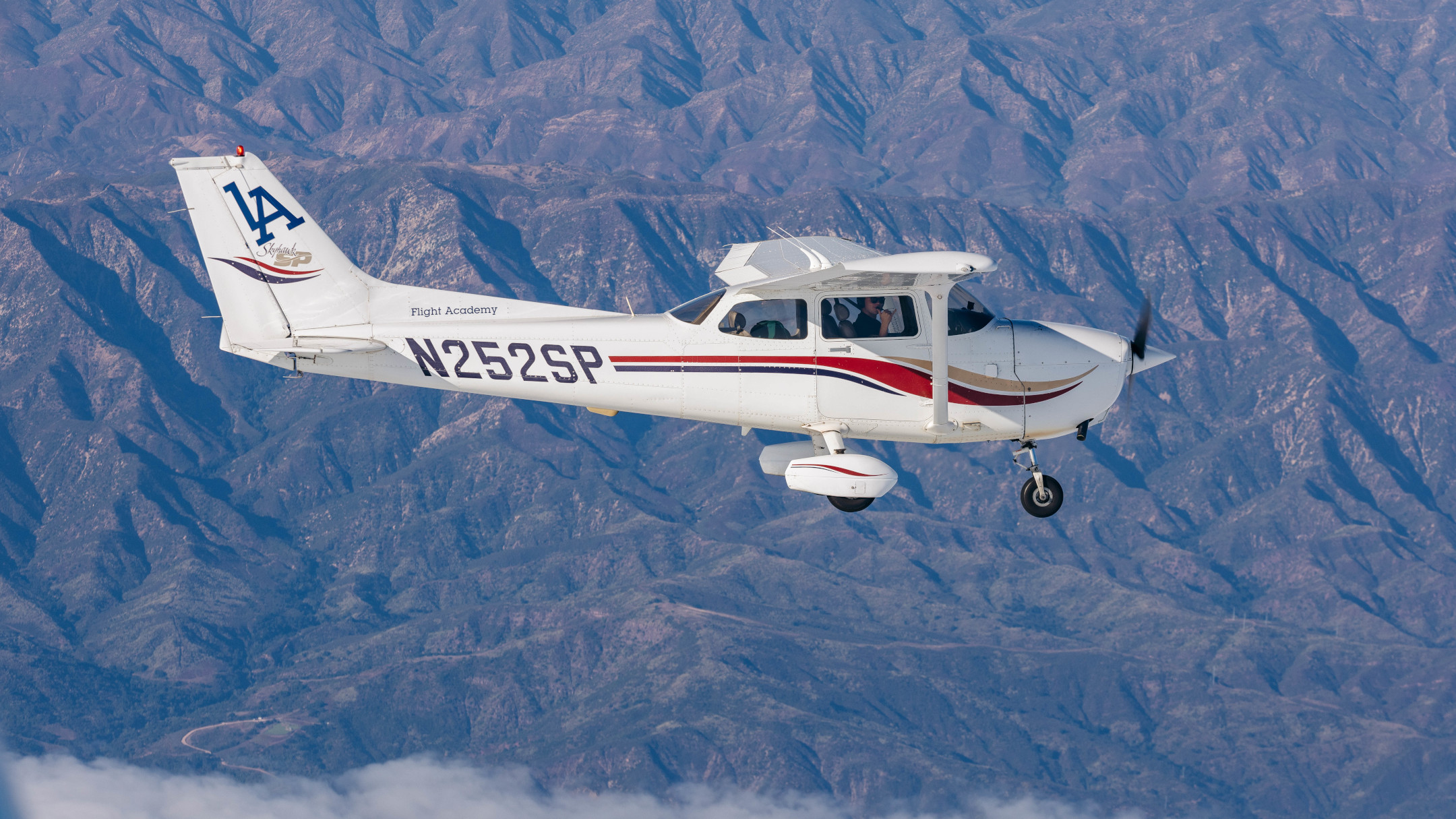
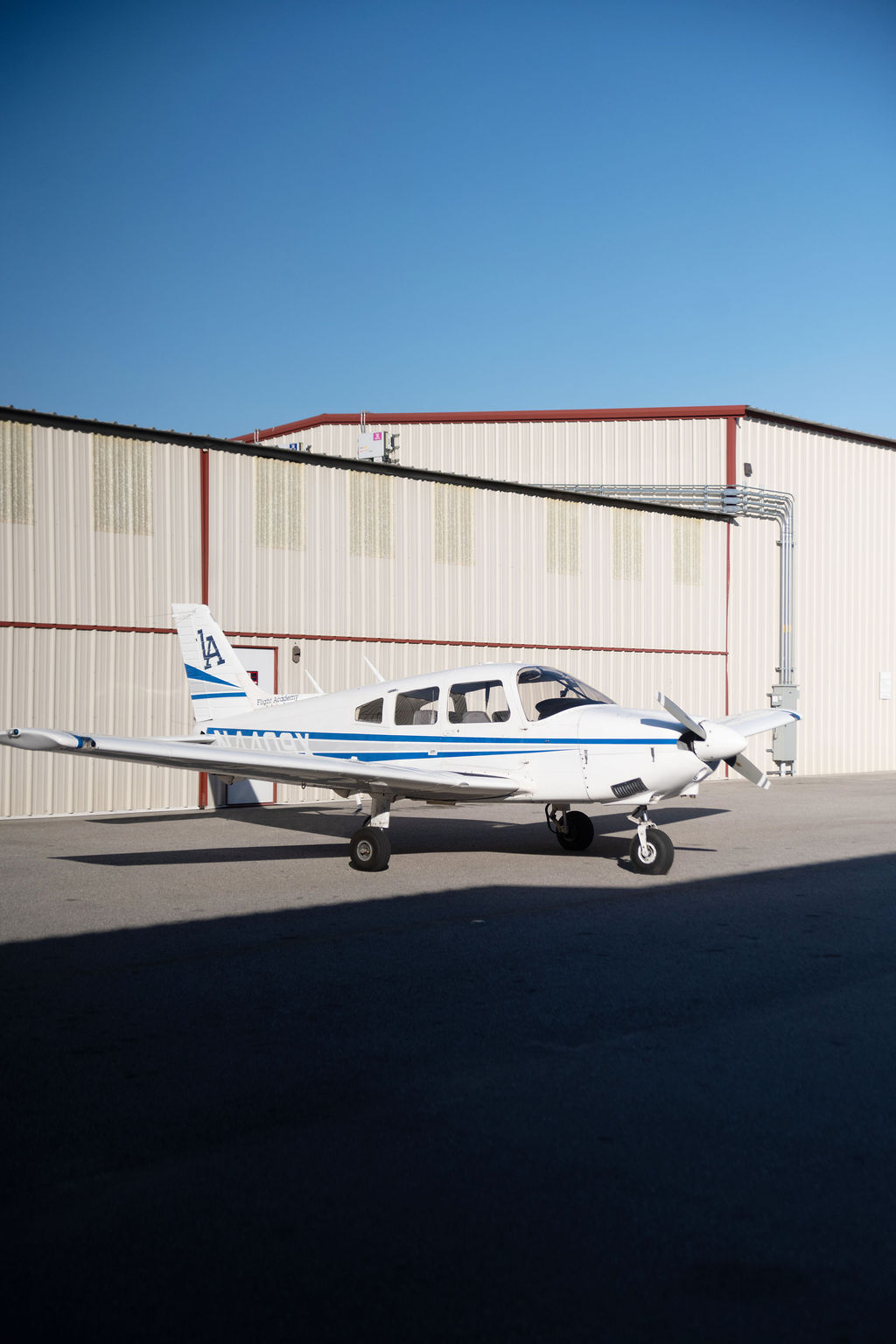
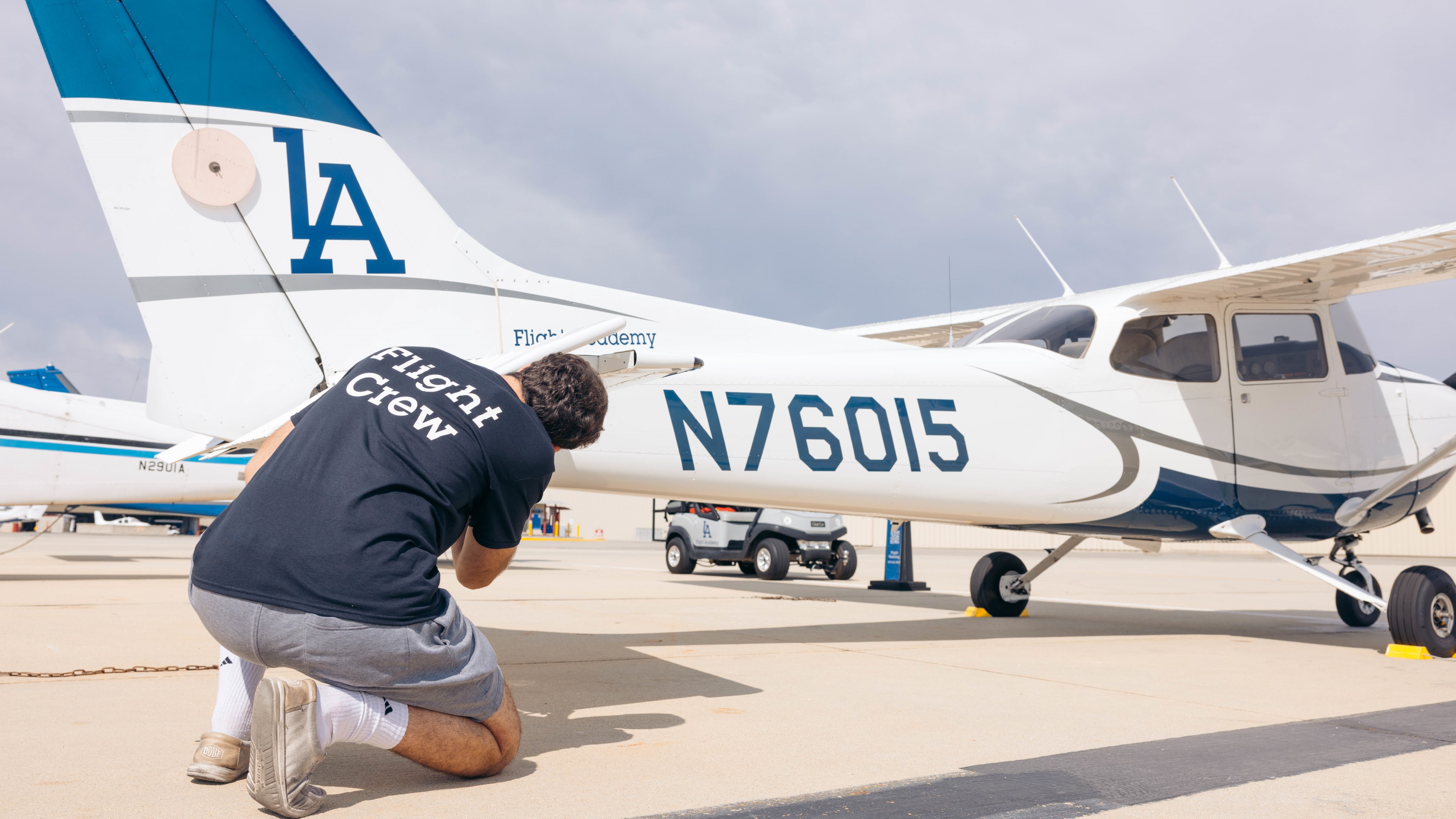
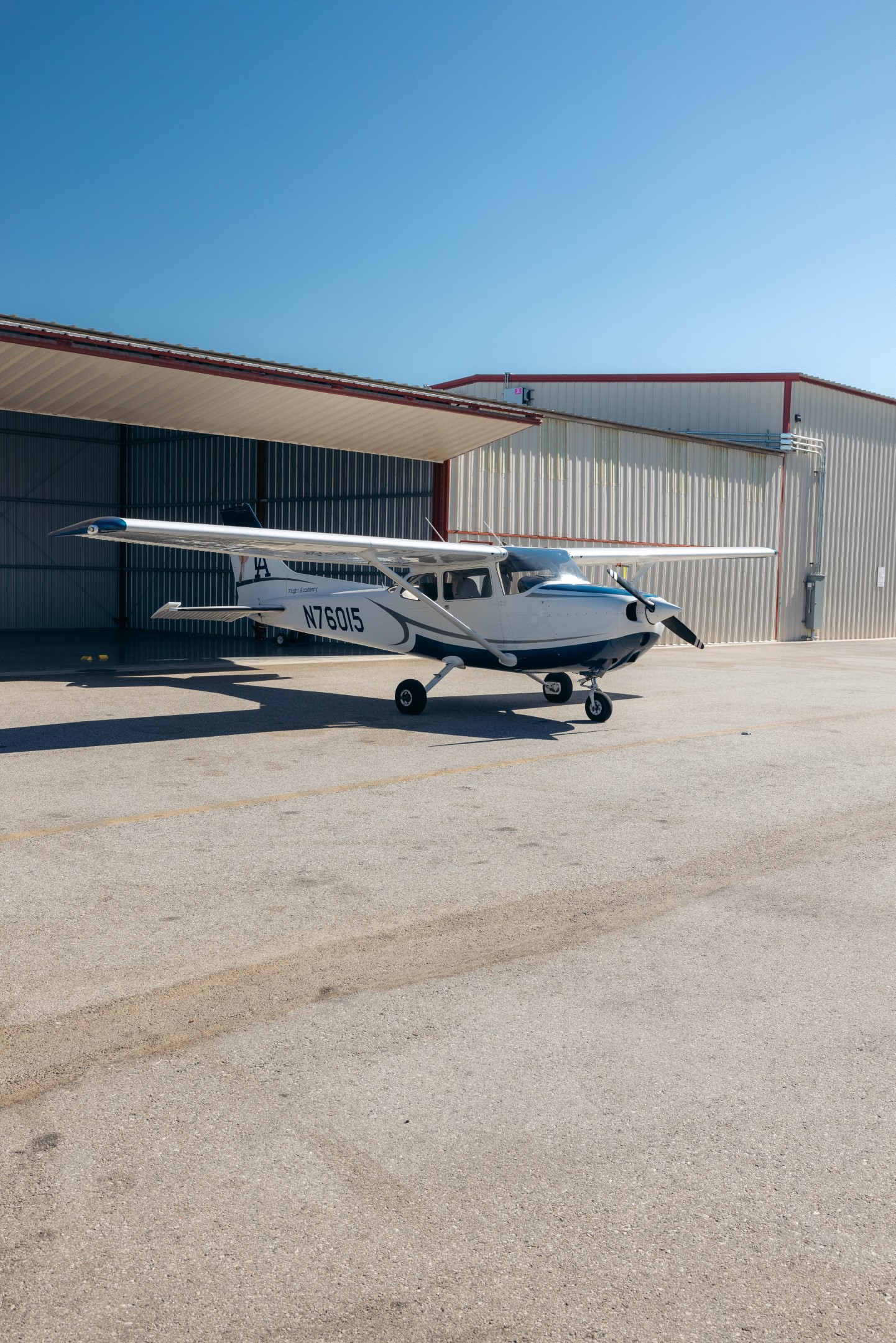
Our primary trainers are Cessna 172s and Piper Archers. Both are common training airplanes with predictable handling, and they are the airplanes our beginners learn in. The Cessna is a high-wing design that gives you a good view of the ground below. The Archer is a low-wing design with a wide view over the nose. Our wider fleet also includes a Cirrus SR20 GTS and a Beechcraft Baron for advanced training, and you can see every aircraft on our fleet page.
If you want to know which aircraft is scheduled for your date, call us at (747) 277-4232 and we will tell you when you book.
3. Check that the flight time can go in your logbook
This is the check most people skip, and it is the one that changes the long-term value of the flight. Because you fly with a certificated instructor, your discovery flight time can be logged and can count toward your pilot certificate if you continue training.
Training time is recorded in a pilot logbook and endorsed by the instructor who gave it. That entry becomes part of the flight experience you build toward a certificate. The FAA sets a 40-hour minimum for a private pilot certificate under Part 61, and you can read the requirement in the FAA’s guide to hourly requirements for becoming a pilot.
One flight is a small slice of the 40-hour minimum, but logging it makes your first 30 to 40 minutes in the air the first entry in your training record. To see what the next hours look like, read what happens after your discovery flight.
4. Find out who decides the route, and why
It is tempting to pick the flight with the best landmark photo. A safe flight is planned around the day, though, and the weather sometimes points somewhere else.
At LA Flight Academy, your instructor chooses the route for that day based on weather, air traffic, airspace, and safety. From Van Nuys, many flights offer views of the Los Angeles basin, the city grid, the nearby mountains, or the coastline when conditions allow. When you book, you can share a view preference such as city, mountains, or coastline, and your instructor treats it as a preference.
Picture a morning when the marine layer is sitting over the coast. Your instructor will steer you toward clear air over the Valley instead, and you will still get your hands on the controls. That decision is a good sign about the school, because it shows the same judgment you will learn as a student. Our post on the Los Angeles marine layer explains why coastal weather changes plans here.
5. Look for a real briefing and a real debrief
The time on the ground before and after the flight is where a lot of the teaching happens. A real discovery flight includes both.
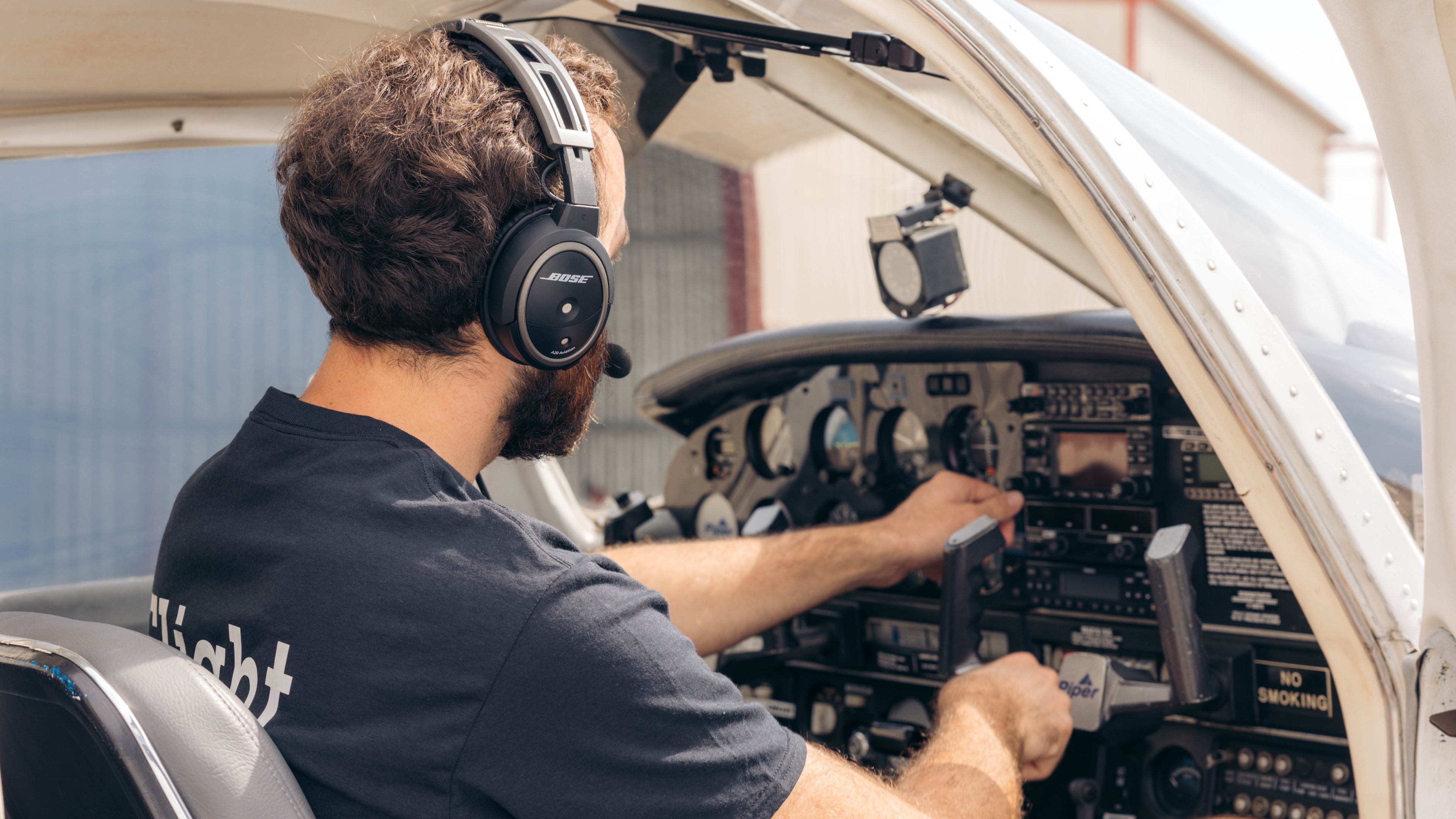
Before you fly, you get a pre-flight briefing that covers the plan, the controls, and how you and your instructor will share them. Then you do a walk-around of the aircraft together, the same inspection pilots complete before every flight. After you land, you debrief with your instructor: what went well, what felt strange, and what training would look like for you.
That debrief is your best chance to get honest answers about pace and cost, so bring your questions. Our new to flying page lays out the full path if you want to read up before you arrive.
6. Weigh what the airport teaches you on day one
Where you take off shapes what you learn in your first hour. Van Nuys is a busy towered airport. That means an air traffic control tower manages takeoffs and landings, and you hear it on the radio from the moment you taxi.
You share the airport with business jets and other training aircraft, and the airspace around VNY sits under the larger Los Angeles airspace tied to LAX. On a discovery flight, your instructor handles the radio while you listen. You will hear how pilots talk to the tower, how traffic is sequenced, and how calm the whole exchange is when someone experienced is beside you.
If you plan to keep flying, this pays off. Radio work is part of every private pilot’s training, and learning it at a towered field from the start builds confidence early. If you want to understand the airspace in more detail, read our guide to navigating Van Nuys Airport airspace or see why students train at Van Nuys.
7. Make sure the next step is easy if you love it
A discovery flight is built for one decision: can you see yourself becoming a pilot? The last check is how easy it is to act on a yes.
At LA Flight Academy, there is no pressure and no obligation. If you want to keep going, you continue with the same team, the same fleet, and the same airport you just flew from. We are a Part 61 school, so your training plan can be built around your schedule. When you book, you also tell us your aviation goal, whether that is a Private Pilot certificate, an Instrument Rating, or something further down the road.
Not sure you are ready? Our readiness assessment quiz helps you check your own starting point before you book.
How price fits after the seven checks
Price is easier to judge after the seven checks, because two flights with the same price can give you very different value.
Discovery flights at LA Flight Academy start at $199. That covers 30 to 40 minutes of flight time with a certificated instructor, plus the briefing, walk-around, and debrief. Our breakdown of how much a discovery flight costs in Los Angeles explains what the price includes and how it connects to the cost of a full certificate.
If you continue, financing options are available to qualified applicants through our partners, Stratus Financial and Flight Training Finance. You can see both on our financing page.
Frequently Asked Questions
What should I look for in a discovery flight near me?
Run the seven checks above: a certificated flight instructor, a training airplane, time that can be logged, a route chosen for safety, a real briefing and debrief, an airport that teaches you something, and an easy path into lessons. Our Discovery Flight page shows how ours is set up.
Does a discovery flight count toward a pilot license?
It can. You fly with a certificated instructor, so the time can be logged and can count toward your pilot certificate if you continue training. See our Private Pilot course for how that training is structured.
Do I need a student pilot certificate or medical before a discovery flight?
No. You can fly with an instructor without either one. You will need a student pilot certificate before your first solo, and the FAA explains it on its student pilot certificate page.
Can I choose the view on my discovery flight?
You can share a view preference when you book, such as city, mountains, or coastline. Your instructor makes the final call based on weather, traffic, airspace, and safety. Our post on flying over iconic LA landmarks shows what the area looks like from above.
Is Van Nuys too busy for a first flight?
Not with an instructor beside you. On a discovery flight your instructor handles the radio, so you get to listen and learn. Our post on flying out of Van Nuys Airport describes what that feels like from the student seat.
Am I committing to training if I book?
No. There is no pressure and no obligation. Many people book one simply to find out whether flying is for them, then decide on their own timeline.
Book a discovery flight that passes all seven checks
You now have a checklist that works anywhere around Los Angeles. The fastest way to test it is to fly: 30 to 40 minutes with a certificated instructor at Van Nuys, a route planned for the day, and a debrief that shows you exactly what training would look like for you.
Book your discovery flight at Van Nuys and start with a first step that can count toward your certificate.