12 Discovery Flight Questions to Ask in Los Angeles in 2026
Published by:
Anthony N.
Published on:
Updated on:
Read time:
9 min read
The headset goes on, the engine starts, and the Van Nuys tower starts talking in your ears. It is easy to arrive with a list of questions in your head and then find the airplane takes all of your attention. Thirty to forty minutes in the air goes by faster than you expect.
So write them down now. These 12 discovery flight questions to ask are grouped by when you will have the chance to ask them: at the briefing, in the air, and at the debrief. Each one comes with why it matters and what a useful answer sounds like. Use them and you leave LA Flight Academy with photos plus a clear picture of training, enough to decide whether to start. For the step-by-step flow of the day itself, read what to expect on your first flight lesson in Los Angeles.
The 12 questions on one card
Screenshot this card or copy it into your phone. Your instructor expects questions, and the best discovery flights feel like a conversation.
| # | Question | What it helps you decide |
|---|---|---|
| 1 | What will we practice today? | Whether this is a real lesson |
| 2 | Which airplane are we flying, and why? | What you would train in |
| 3 | Will this time go in a logbook? | Whether the flight counts toward the Private Pilot certificate |
| 4 | Why this heading and altitude? | How pilots plan around airspace and traffic |
| 5 | What is the tower saying to us? | How you feel about radio work |
| 6 | How does the airplane respond to my inputs? | Whether flying feels natural to you |
| 7 | What would you watch for if I were your student? | Your starting strengths |
| 8 | What would a typical training week look like for me? | Whether training fits your life |
| 9 | What would my next lesson cover? | How fast you would build skills |
| 10 | How does scheduling work? | How often you could fly |
| 11 | When do the written test and ground school come in? | The study side of the Private Pilot path |
| 12 | How do people pay for training? | Your budget and financing options |
Before you fly: three questions for the briefing
The pre-flight briefing is the calmest part of the day, so it is the best time to ask about the plan. You are still on the ground with no radio chatter, and your instructor has time to sketch things out. If the day is new to you, our guide for people new to flying covers the basics.
1. What will we practice today?
Why it matters: A discovery flight is an introductory lesson, and a lesson has a goal. Knowing the plan helps you notice what you are learning instead of only looking out the window.
What a useful answer sounds like: Your instructor names a few simple things you will try, such as holding the airplane level, making gentle turns, or climbing and descending. You fly with an FAA-certified flight instructor, and you take the controls when it is safe, under their guidance.
2. Which airplane are we flying, and why that one?
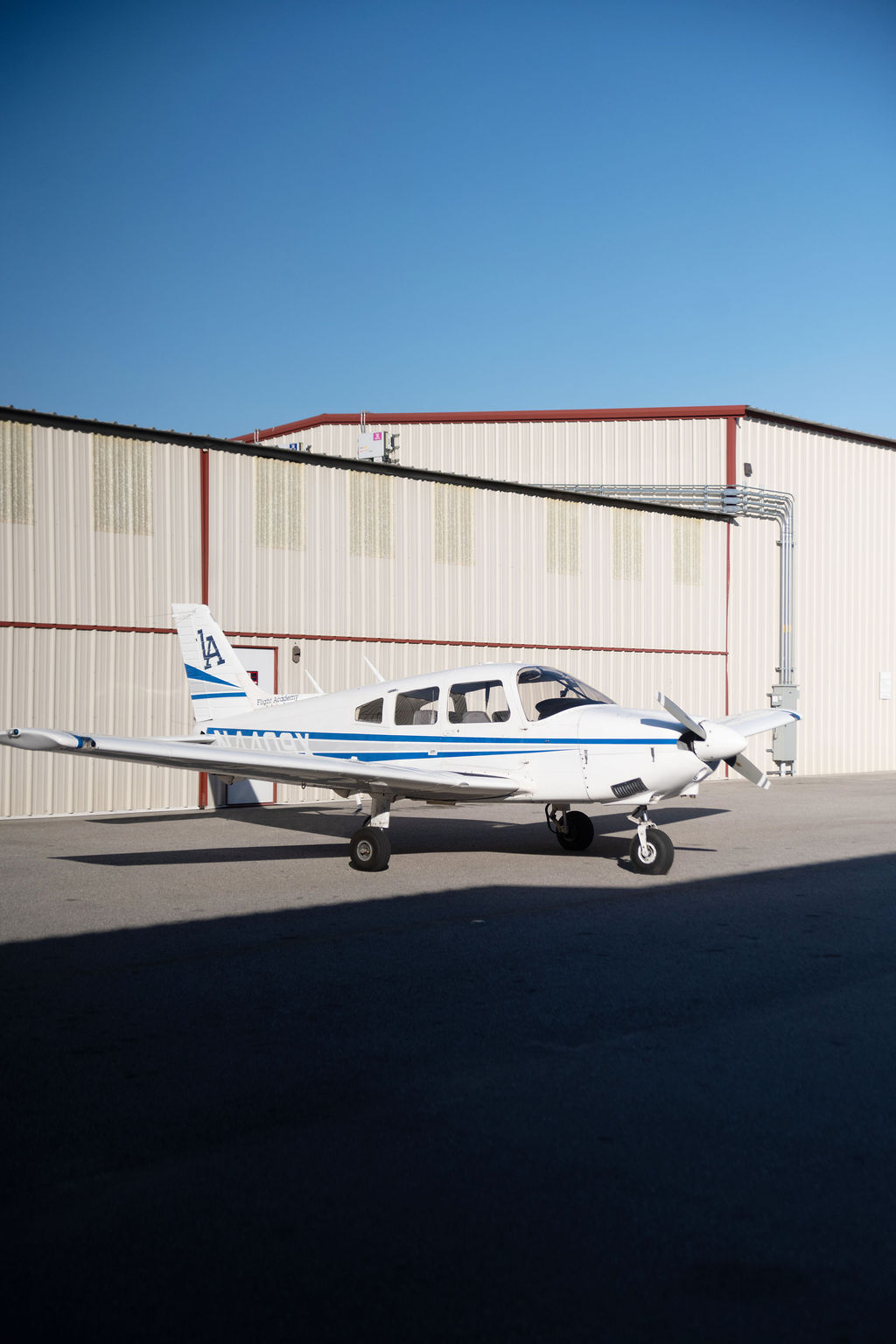
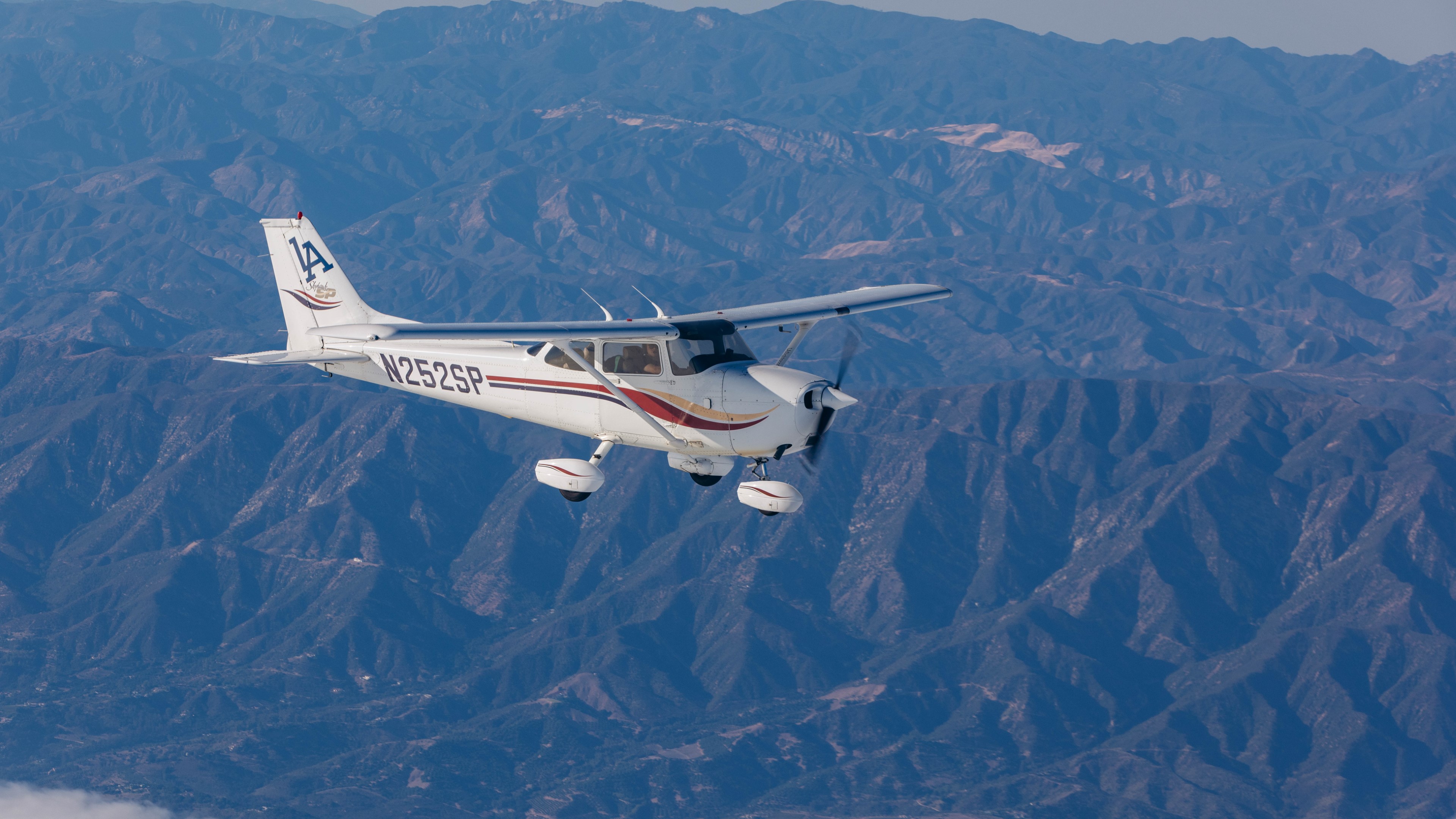
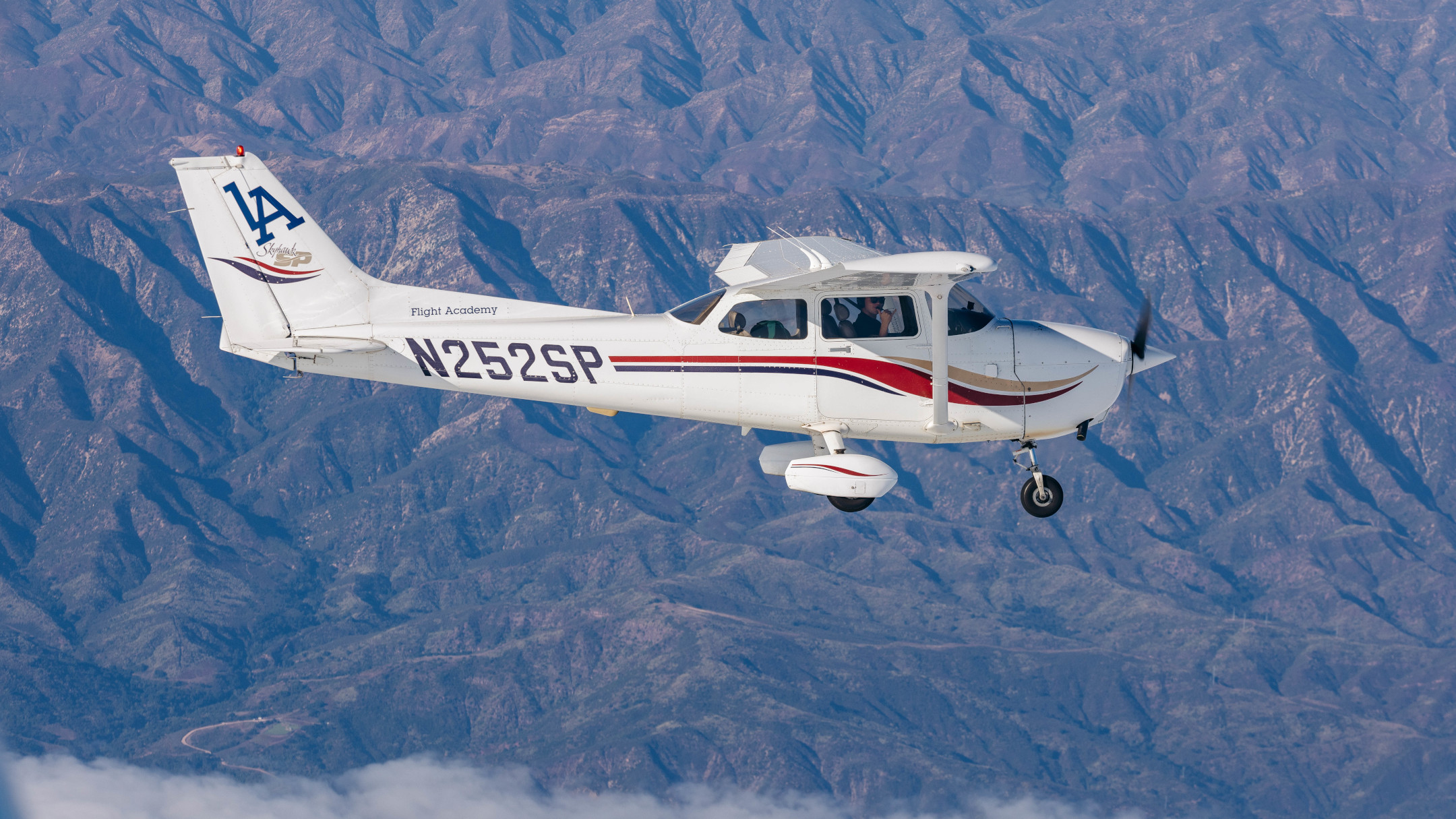
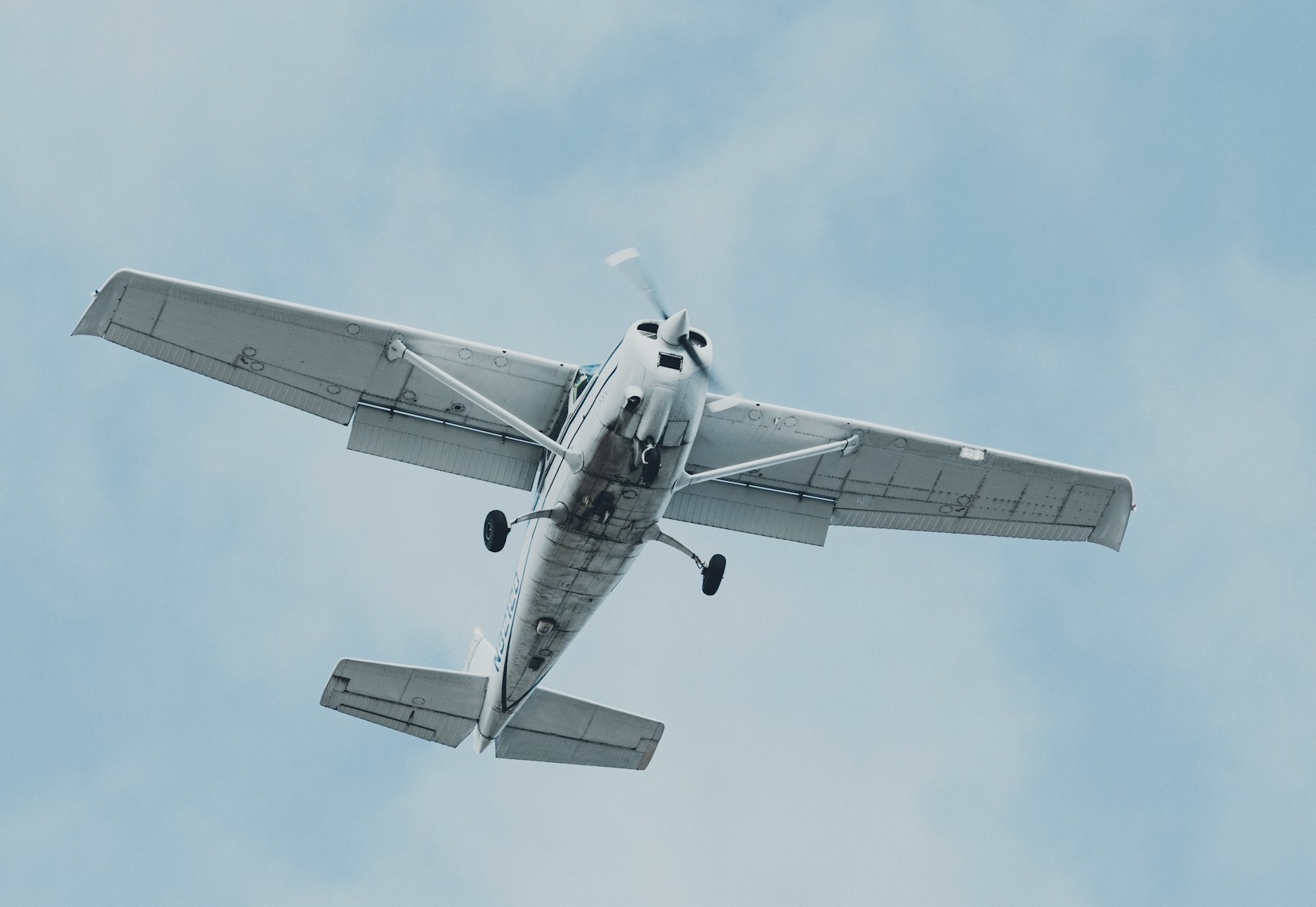
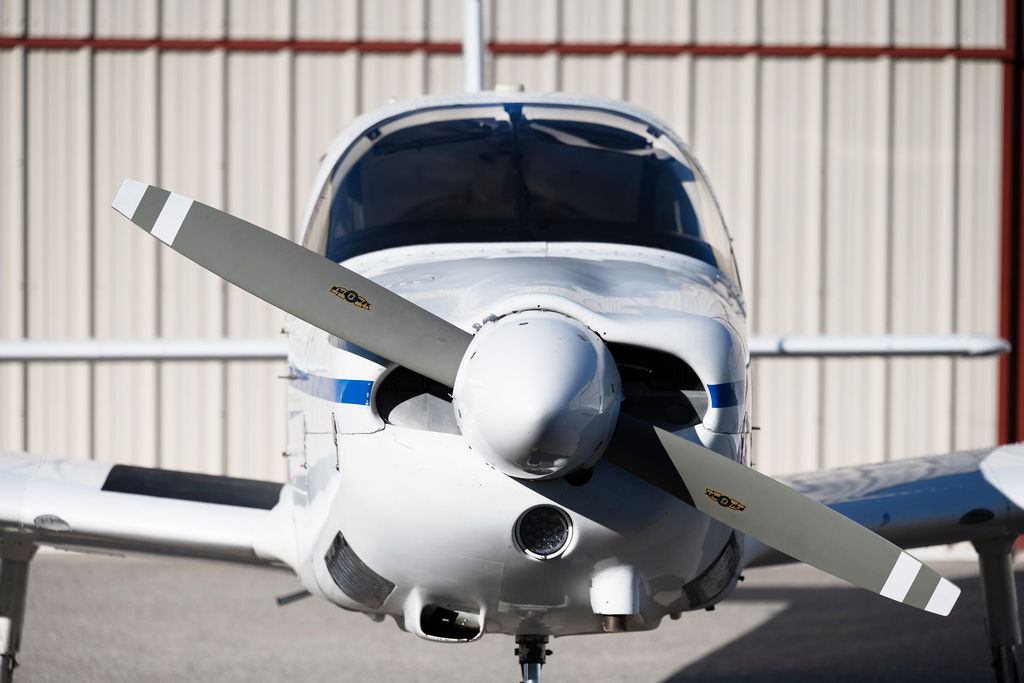
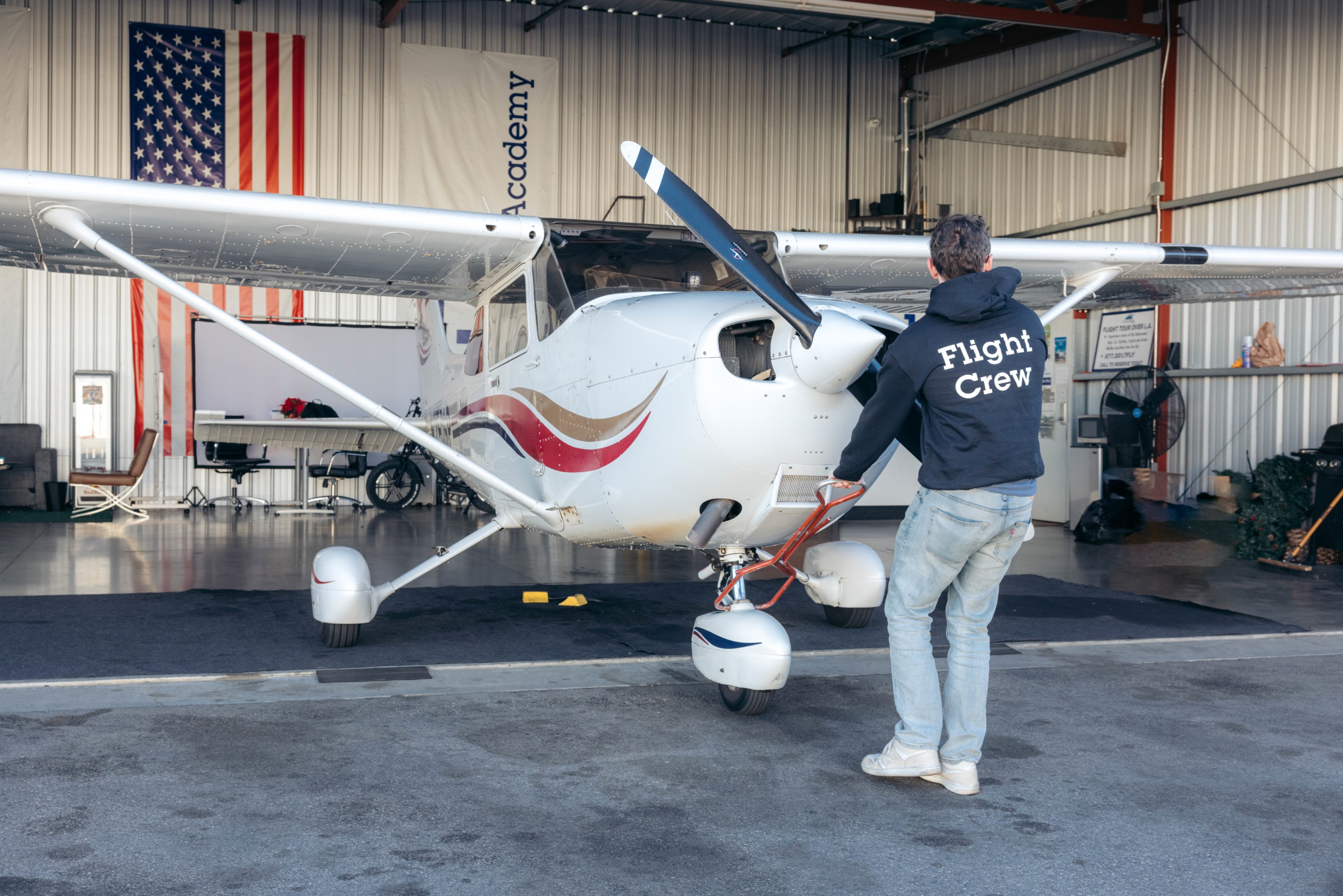
Why it matters: The airplane you meet on day one is a preview of the airplane you would train in. Our primary trainers are Cessna 172s and Piper Archers, the same kinds of airplanes many beginners train in.
What a useful answer sounds like: The instructor tells you the model, why it suits new pilots, and what you are looking at during the walk-around. If you want to know which aircraft is scheduled for your date, call us at (747) 277-4232. You can also browse our fleet before you come in.
3. Will this time go in a logbook?
Why it matters: This question decides whether the flight counts for anything later. Because you fly with a certificated instructor, the time can be logged and can count toward your pilot certificate if you continue training.
What a useful answer sounds like: Your instructor explains that training time is recorded in a pilot logbook, and that the FAA sets a minimum of 40 hours of flight time for a private pilot certificate under Part 61. Your 30 to 40 minutes is a small slice of that, and it is the first slice.
In the air: four questions that turn the view into a lesson
Once you are flying, keep questions short and wait for a quiet moment, since your instructor will tell you when the radio is busy. Most of what you see from Van Nuys, from the tower calls to the turns around airspace, is covered in more depth in our post on Van Nuys airspace for flight lessons.
4. Why this heading and this altitude?
Why it matters: Pilots rarely fly straight at the view. Your instructor chooses the route based on weather, traffic, airspace, and safety, and every turn has a reason.
What a useful answer sounds like: Your instructor points at the instruments and explains the choice: staying clear of busier airspace, following a tower instruction, or keeping room from other traffic. That reasoning is how a pilot thinks. The FAA’s Pilot’s Handbook of Aeronautical Knowledge explains airspace and airport operations if you want to read ahead.
5. What is the tower saying to us?
Why it matters: Van Nuys is a busy towered airport, so you hear air traffic control from your first flight. Radio work worries many new students. A quick translation after a call shows you it is a learnable skill with a pattern.
What a useful answer sounds like: Your instructor repeats the call in plain words, such as who the tower was talking to and what it asked. You start to hear the structure: who you are, where you are, and what you want.
6. How does the airplane respond when I move the controls?
Why it matters: Feeling the airplane respond to your hands is the part of flying that no video can give you.
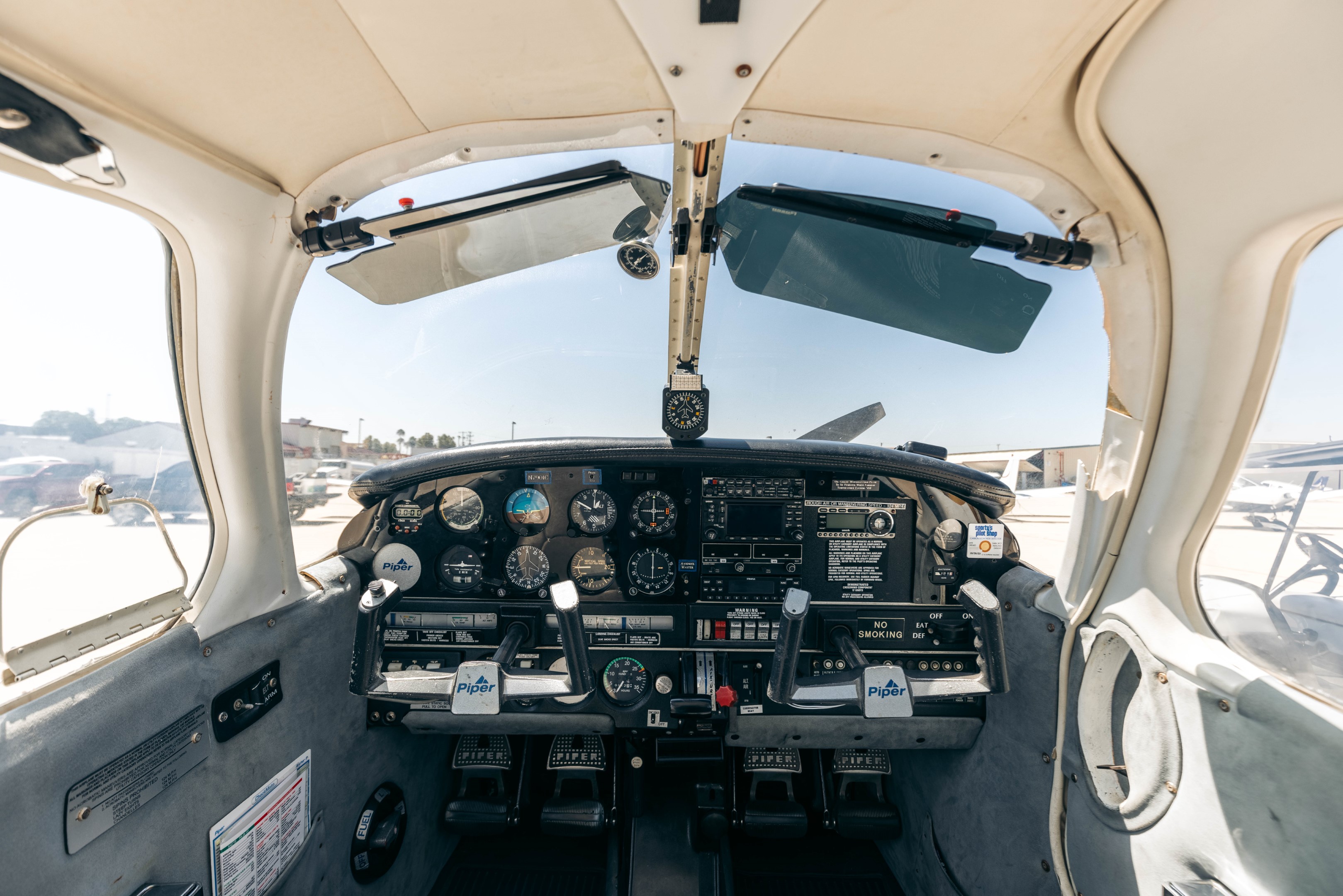
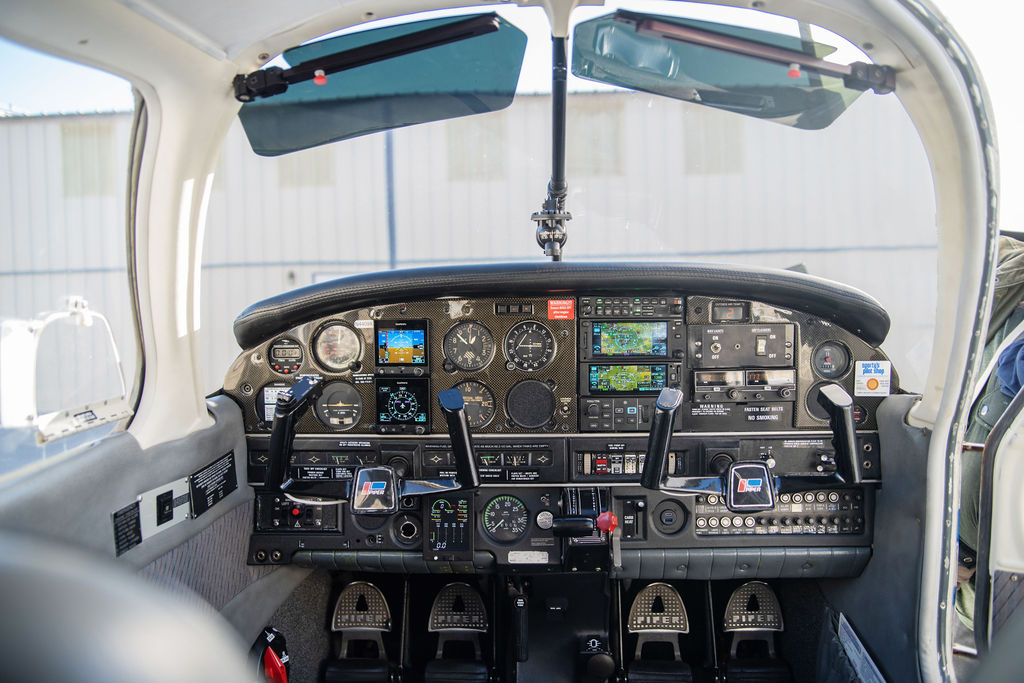
What a useful answer sounds like: Your instructor shows you that easing the yoke back raises the nose, turning it banks the wings, the rudder pedals keep the turn coordinated, and the throttle sets the power. Small, smooth inputs work best.
7. What would you be watching for if I were your student?
Why it matters: Instructors notice things quickly, such as how you scan, how tense your grip is, and how you react to a bump. Their first impression gives you a starting point for training.
What a useful answer sounds like: Your instructor gives honest, specific feedback, usually a thing or two you did naturally and a thing or two that lessons would work on. Early lessons focus on the basics: straight-and-level flight, turns, climbs, and descents.
At the debrief: five questions that help you decide on training
The debrief is where your decision gets made. Your instructor has just watched you fly, and there is no pressure and no obligation, so it is the best time to get straight answers. For what the following lessons look like, see what happens after your discovery flight.
8. What would a typical training week look like for me?
Why it matters: Training has to fit around work, family, and your budget. A realistic week is the clearest test of whether now is the right time to start.
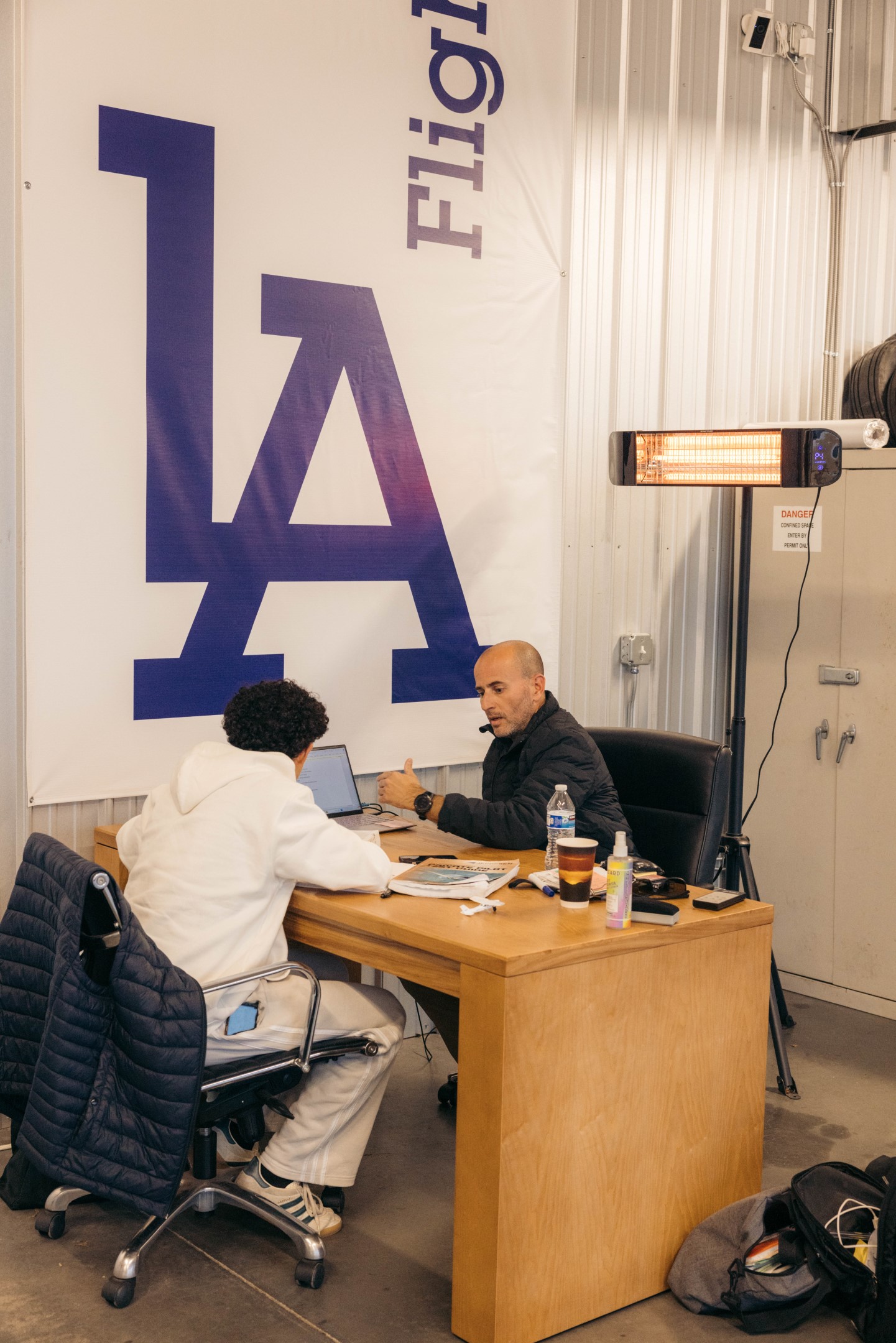
What a useful answer sounds like: Your instructor asks about your schedule before answering. They talk about flying at a steady, regular rhythm so skills carry from one lesson to the next, plus study time on the ground. As a Part 61 school, we can build your training plan around your schedule.
9. What would my next lesson cover?
Why it matters: A clear next step makes it easier to keep going. Knowing lesson two also tells you how training builds on itself.
What a useful answer sounds like: Your instructor connects today’s flight to the next one. Expect the fundamentals you tried today, plus more time on the walk-around, taxiing, and talking on the radio.
10. How does scheduling work here?
Why it matters: How often you can fly shapes your progress more than almost anything else. Long gaps between lessons usually mean relearning.
What a useful answer sounds like: A clear explanation of how you book lessons, how far ahead you plan, and what happens when weather moves a flight. Our team can walk you through current instructor and aircraft scheduling at the debrief, or call us at (747) 277-4232.
11. When do the written test and ground school come in?
Why it matters: Flying is half of training. The other half is knowledge on the ground. The FAA knowledge test, often called the written, is one of the requirements for a private pilot certificate. The FAA publishes its official study and testing resources on its airman testing site.
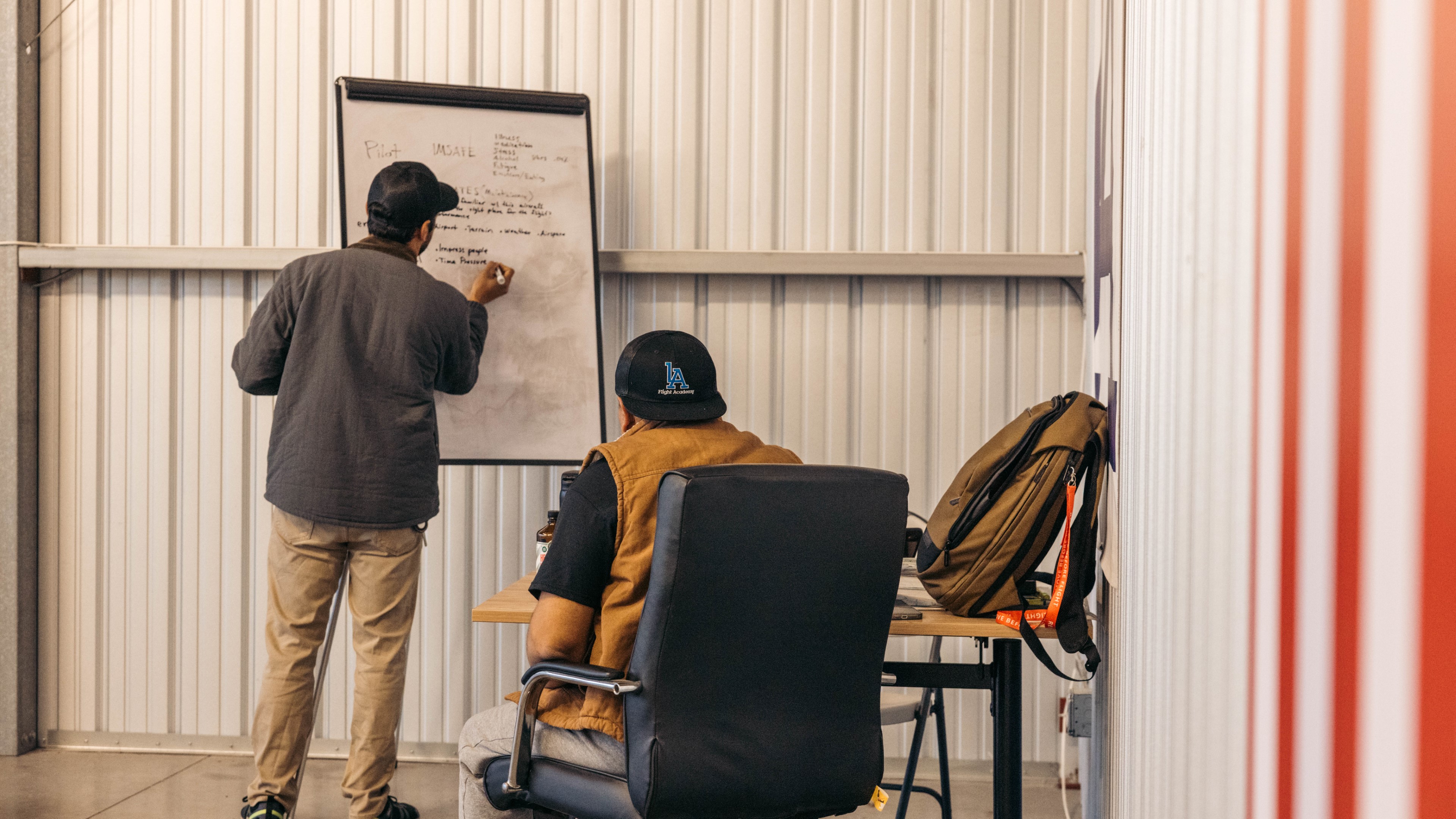
What a useful answer sounds like: Your instructor explains how ground study fits around your flying. Our ground school covers aerodynamics, navigation, weather, and regulations, and prepares you for the FAA Knowledge Test. Our post on preparing for the FAA private pilot written test explains why many students start studying early.
12. How do people pay for training?
Why it matters: For most students, cost is the biggest hurdle, and a plan for paying is what turns the idea of training into a start date.
What a useful answer sounds like: A straight conversation about the main costs: aircraft time, instructor time, ground school and materials, and test fees. Many students pay as they go, one milestone at a time. We also work with Stratus Financial and Flight Training Finance, and financing is available to qualified applicants. Our guide on how to fund pilot training in Los Angeles covers the options, and our post on what a discovery flight costs in Los Angeles covers the first step.
Frequently Asked Questions
Is it okay to ask questions while we are flying?
Yes. Instructors welcome questions, and they will tell you when the radio is busy. Keep in-flight questions short and save the longer ones for the debrief.
Do I need to know anything before my discovery flight?
No. No experience is needed. Your instructor covers what you need in the briefing. If you want a head start, skim our new to flying guide the night before.
Will I really fly the airplane?
Yes. You take the controls when it is safe, under your instructor’s guidance. Your instructor handles takeoff, landing, and anything that needs an experienced hand.
Does my discovery flight count toward a pilot certificate?
Because you fly with a certificated instructor, the time can be logged and can count toward your pilot certificate if you continue training. See the Private Pilot program for the full path.
Do I need a student pilot certificate or a medical for my discovery flight?
No. You need a student pilot certificate and a medical certificate before you fly solo, not to take lessons with an instructor. The FAA’s student pilot certificate page explains the timing, and our post on who can take a discovery flight covers age and health questions.
What if I run out of time for all 12 questions?
That is fine. Pick the three that matter most to you and bring the rest to a call with our team afterward.
Bring your questions to Van Nuys
The best way to answer the big question, whether flight training is right for you, is to sit in the left seat and ask these questions in person. You fly 30 to 40 minutes with an FAA-certified instructor from Van Nuys Airport, with a briefing before and a debrief after, and no pressure to sign up. Pick your date and book your discovery flight today.