California Flight Training: Weather, Airspace, and Cost

Published by:
Anthony N.
Published on:
Updated on:
Read time:
9 min read
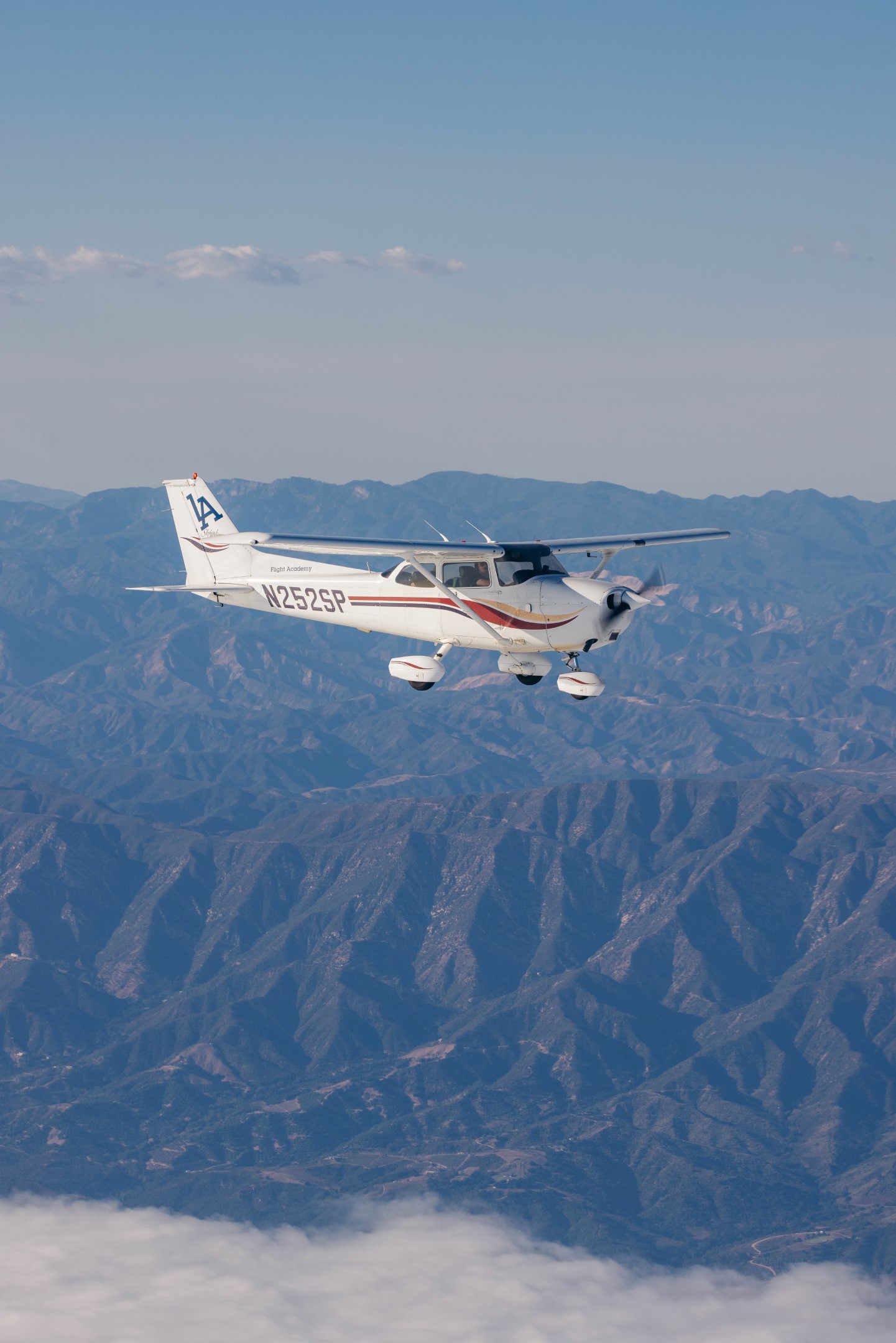
The blue sky can make California flight training look simple from the ground. Then a morning marine layer changes the visibility, a busy radio sequence adds minutes to the taxi, or a warm afternoon changes aircraft performance and the day’s lesson plan. Each detail can shape your progress and your budget.
The answer is straightforward: weather, airspace, and cost belong in the same training conversation. California can offer varied flying conditions and a rich airspace environment, but good planning still depends on your schedule, lesson frequency, training location, and the full cost of each stage. At LA Flight Academy, we help students look beyond a single hourly rate and build a path they can sustain.
California weather gives you lessons before takeoff
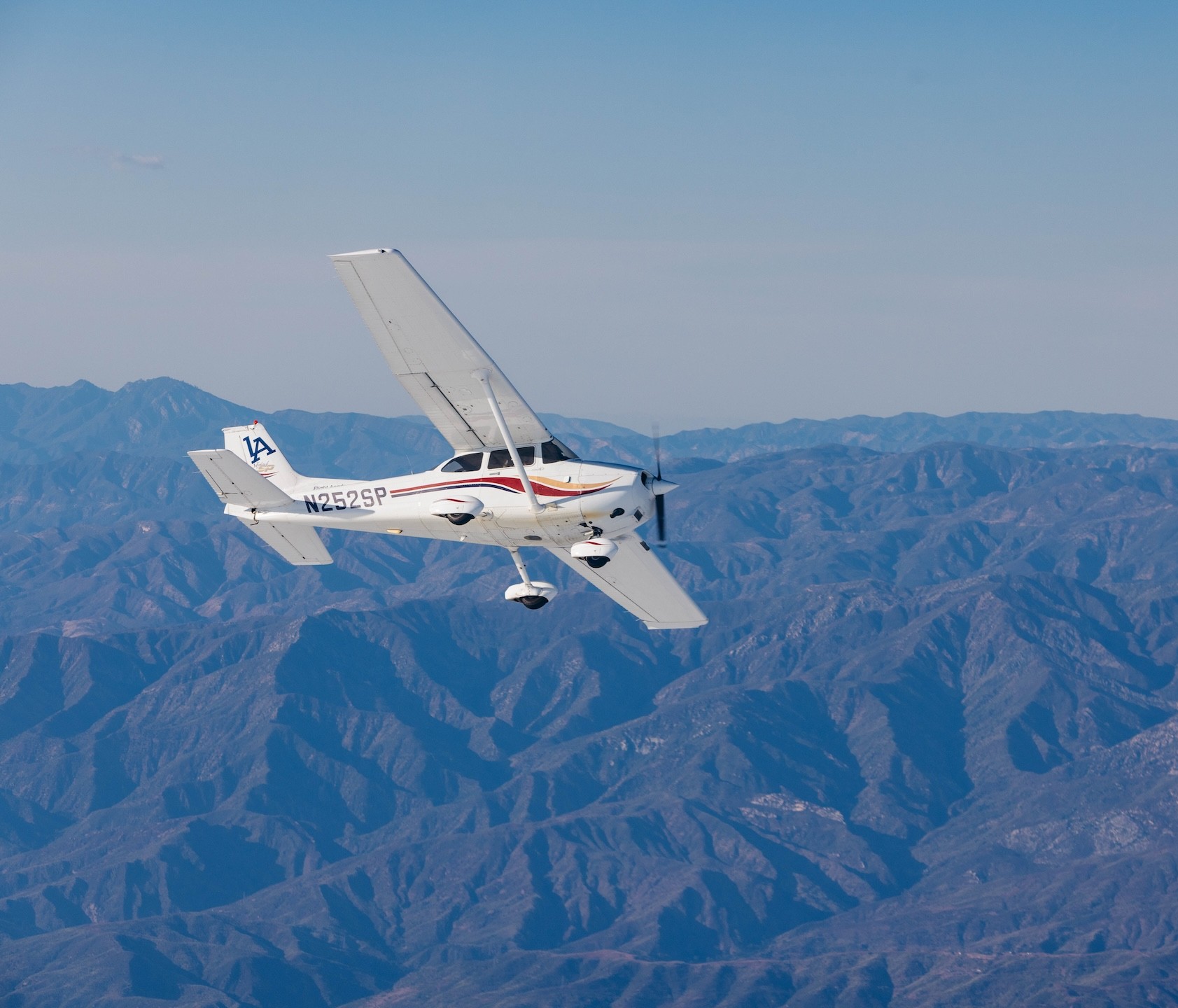
Southern California weather can support many kinds of training, yet a pleasant forecast never guarantees a specific lesson. Coastal low clouds, haze, wind, heat, and changing visibility may affect the route, aircraft performance, or whether a flight launches at all. Your instructor may move a cross-country exercise, adjust the departure time, or use the day for ground preparation.
That flexibility has real training value. A changing plan teaches you to brief conditions, compare options, and make a deliberate go/no-go decision. The FAA’s Pilot’s Handbook of Aeronautical Knowledge treats weather knowledge and aeronautical decision-making as core pilot skills. Our beginner guide can help you understand how those skills fit into the first stages of learning to fly.
A weather change also gives you a chance to protect momentum. If flight conditions do not fit the planned objective, ground instruction can still move the next lesson forward. You might review airspace, practice radio calls, prepare a navigation log, or debrief a maneuver. The goal is purposeful continuity.
Busy airspace turns communication into a working skill
Learning at a towered airport places radio communication and sequencing inside normal lessons. Before moving onto a runway, you learn to listen, form a clear request, read back instructions, and keep the airplane positioned correctly while the frequency stays active.
Van Nuys Airport adds local texture to that work. Training here can include taxi instructions, runway assignments, traffic sequencing, and awareness of nearby airspace. None of those features makes one airport universally better than another. They do give you repeated practice managing the airplane and the radio together. Explore the Van Nuys training environment to see how location can shape your lessons.

Private pilot airplane requirements also include experience at an airport with an operating control tower under 14 CFR 61.109. The practical benefit comes from repetition: clearances and traffic calls begin to sound like useful information instead of noise.
The tradeoff belongs in your budget. Ground holds, taxi time, and travel to a practice area may affect how a particular lesson uses the clock. At the same time, local ATC exposure is part of the training you are buying. Compare schools by asking how lessons are designed around their airport, then review the broader flight-training program options that match your goal.
The lowest hourly rate rarely tells you the total cost
An aircraft rate is easy to compare, but your final training cost has several moving parts. Aircraft time, instructor time, ground instruction, study materials, a medical examination when applicable, knowledge testing, examiner fees, checkride aircraft time, and additional practice can all enter the plan.
| Cost area | What can change it | What we help you clarify |
|---|---|---|
| Aircraft and instruction | Aircraft used, lesson length, ground time, and instructor time | Which training option fits the lesson and your current stage |
| Training pace | Lesson frequency, preparation, proficiency, weather, and schedule gaps | A repeatable schedule that supports skill retention |
| Tests and checkride | Knowledge-test, examiner, aircraft, and possible retest expenses | Which expenses sit outside regular lesson rates |
| Equipment and study | Headset, books, charts, apps, and supplies | What you need now and what can wait |
| Financing | Eligibility, lender terms, fees, and repayment structure | How to compare current options with the full training budget |
The FAA minimum flight experience for a certificate or rating is not a guaranteed completion point or final price. Students arrive with different schedules, study habits, prior experience, and rates of skill development. Weather, maintenance, aircraft availability, instructor availability, airport activity, and checkride scheduling can also affect the path. Our team can help you map the stages without treating a minimum as a quote.
Consistency is one of the few cost variables you can influence directly. A schedule you can maintain may reduce the amount of lesson time spent rebuilding skills after long gaps. That does not require flying every day. It requires an honest plan for work, family, study, travel, and the money available for training.
A useful budget connects each dollar to progress
Start with a complete estimate instead of a headline number. When you compare flight training costs in California, look beyond the advertised fees for pilot training and separate aircraft, instructor, ground training, tests, examiner costs, supplies, and a buffer for additional practice. Then compare that estimate with the number of lessons you can realistically schedule each month.
Financing may be part of that conversation. Eligibility, rates, fees, and repayment terms vary, so any financing option should be compared with the full training plan rather than only the first block of lessons. Review our flight-training financing information before you decide how much training to schedule.

Preparation protects the value of each lesson. Arrive knowing the objective, complete assigned study, and bring questions from the previous debrief. Aircraft time is a costly place to meet a concept for the first time when that concept could have been introduced on the ground.
Choose the California training environment you can sustain
The right school should fit more than your preferred airport or aircraft. Your schedule, commute, instructor relationship, communication style, and budget all affect continuity. A demanding airspace environment may appeal to you, while another student may prefer a different pace. The strongest choice is the one that gives you clear feedback and a realistic route back for the next lesson.
Use three filters when comparing a California flight school:
- Lesson design: Can the school explain how local weather and airspace affect daily training?
- Schedule fit: Can you maintain a useful rhythm around work and other commitments?
- Cost clarity: Can you see aircraft, instructor, ground, testing, examiner, equipment, and extra-practice assumptions separately?
Those filters keep flight training grounded in your actual life. If you are at the beginning, our new-student guide explains the first steps and the training paths available after an introductory experience.
FAQ
Does California weather let students fly every day?
No location can promise a flyable lesson every day. Local clouds, visibility, wind, heat, aircraft status, instructor availability, and the lesson objective all influence the decision. When conditions change, useful ground preparation may keep your training moving. Learn how we approach the first stages in our new-to-flying guide.
Is training in busy Los Angeles airspace better?
Busy airspace provides frequent practice with radios, clearances, taxi instructions, and traffic sequencing, while quieter environments can support other valuable habits. The better fit depends on your goals and how the school structures each lesson. Our Van Nuys Airport guide explains the local environment.
Does time waiting on the ground affect flight-training cost?
It can affect how a lesson uses the clock, depending on the school’s billing and the day’s operation. Ask for an estimate that separates aircraft and instructor assumptions, then discuss how lessons account for taxi, holds, and travel to practice areas.
What costs should I plan for beyond the airplane?
Plan for possible instructor, ground-school, testing, examiner, medical, equipment, study-material, and extra-practice costs. The exact mix depends on your certificate or rating and your situation. Our financing page is a useful place to review funding considerations.
Can a more consistent schedule reduce my total cost?
A sustainable rhythm may reduce time spent relearning skills after long breaks, but no schedule guarantees a total price or completion date. Choose a pace you can afford and prepare for consistently. Our beginner resources can help you frame the first conversation.
Should I choose a school based on its hourly aircraft rate?
Use the hourly rate as one input rather than the whole comparison. Instructor time, ground instruction, fees, equipment, expected training pace, airport operations, and what the estimate excludes can change the full picture. Start by matching your goal to the available training programs.
Build a training plan around your real week
Weather and airspace will change from one lesson to the next. A sustainable schedule and a complete cost conversation give you a steadier foundation. Bring your goals, weekly availability, and budget range to LA Flight Academy, and we will help you identify a practical starting point at Van Nuys.
Contact LA Flight Academy to talk through your California flight-training plan.