Who Can Take a Discovery Flight? Age, Medical, and Weight Questions Answered for 2026
Published by:
Anthony N.
Published on:
Updated on:
Read time:
8 min read
You are ready to book a first flight, and then the questions start. Do you need a medical exam? A student pilot certificate? Is there an age limit, or a weight limit? It is easy to put the whole thing off because one requirement feels unclear.
Here is the short answer from our team at LA Flight Academy in Van Nuys. Most people can take a discovery flight, and you do not need any flying experience. You also do not need an FAA medical certificate or a student pilot certificate for a discovery flight with an instructor. The real limits are about the airplane: how much weight it can carry and who fits comfortably in the seat. Below, we walk through the discovery flight requirements one at a time, explain why each limit exists, and show what changes once you decide to keep training.
You do not need experience, a license, or a medical to fly with an instructor
A discovery flight is a real first lesson built for complete beginners. You get 30 to 40 minutes of flight time with an FAA-certified instructor, a pre-flight briefing, a walk-around of the airplane, and a debrief when you land. You take the controls when it is safe, under your instructor’s guidance. Our new to flying page covers the full beginner path if you want the bigger picture.
There is no FAA paperwork for you on day one for a simple reason. On a discovery flight, your instructor is the pilot in command, the pilot legally responsible for the flight. The certificates the flight needs sit with them, and you are flying under their instruction.
The FAA says a student pilot does not need a student pilot certificate or a medical certificate just to take lessons with an instructor. The FAA student pilot certificate page explains when that certificate does come into play: before you fly solo.
You can book without a license, a logbook, or an exam. Bring yourself and your questions. Our guide to your first flight lesson in Los Angeles walks through the day from arrival to landing.
Why age rules come from the FAA and the school
Age is the question we hear most. The FAA’s age numbers attach to certificates and solo flight. For airplanes, you must be 16 to get a student pilot certificate, which you need before your first solo. You must be 17 to earn a private pilot certificate.
A discovery flight is a lesson with an instructor, so those certificate ages are not the gate for it. The age minimum for a discovery flight is a school policy. Schools set one because a first flight asks a lot of a young flyer: sitting still for the briefing, wearing a headset, reaching the controls, and following an instructor’s directions in a busy airport environment.
The simple fix is to tell us the flyer’s age when you book. If you are buying the flight for a teenager, mention it up front and we will tell you what works for our airplanes and instructors. Our post on the gift of flight covers buying a discovery flight for someone else.
Age questions run in both directions. People come to flying at many stages of life, and what matters on a discovery flight is that you are comfortable in the seat and curious to try.
How weight and balance shapes who can fly
Weight is the second big question, and it is the one people feel shy about. It helps to know why the limit exists: it comes from the airplane’s physics, and nobody is judging you.
Every airplane has a maximum takeoff weight and limits on where that weight can sit, called the center of gravity range. That total includes the airplane itself, the fuel, every person on board, and any bags. Before each flight, the pilot adds those numbers up and checks they stay inside the limits. The FAA’s Pilot’s Handbook of Aeronautical Knowledge has a full chapter on weight and balance if you want the details.
Picture a warm afternoon in the Valley. More weight means a longer takeoff roll and a slower climb, and hot air makes both worse. So the instructor’s weight, your weight, and the fuel load all go into the same calculation. That is why we cannot give a single number that fits every day and every airplane.
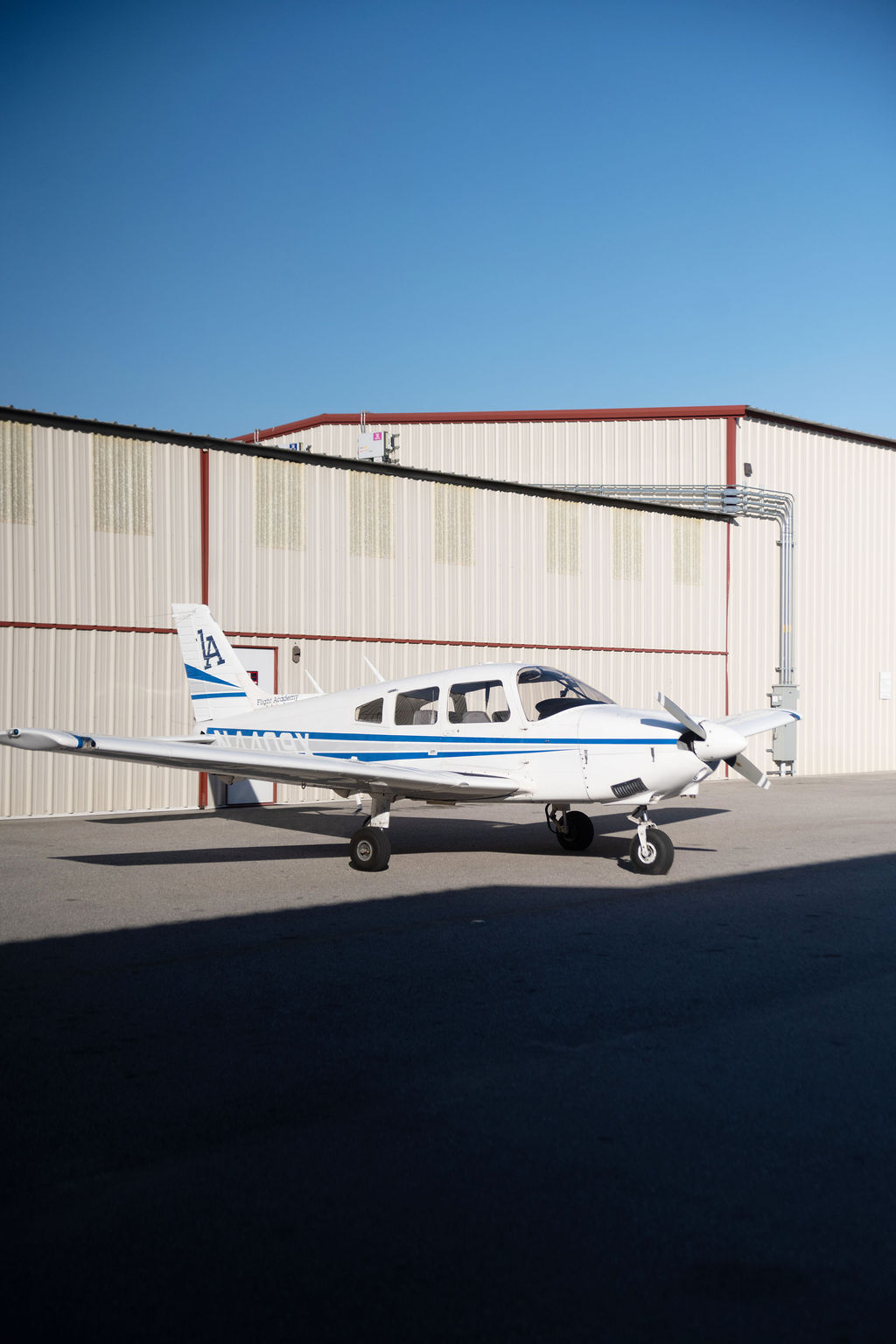
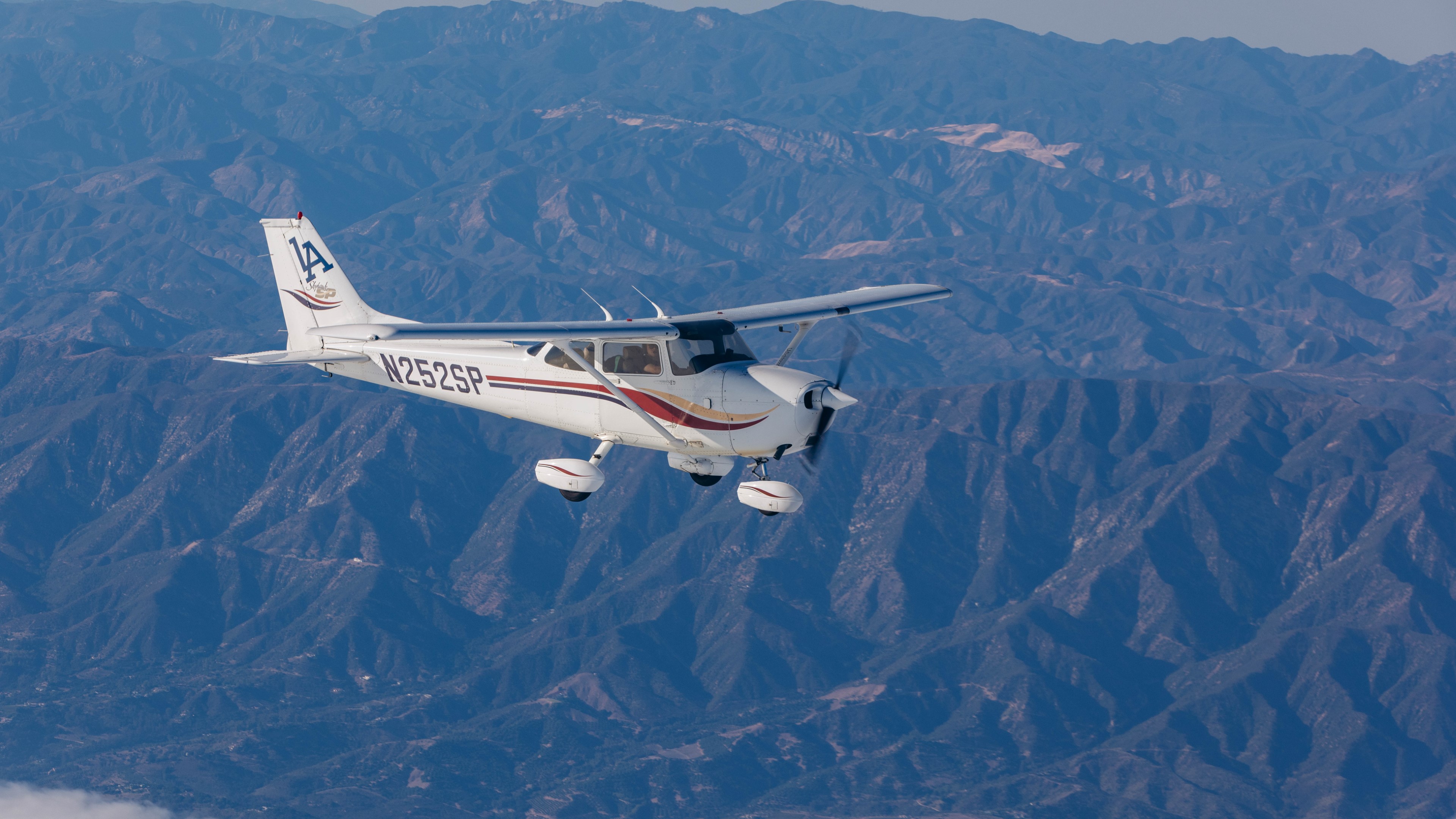
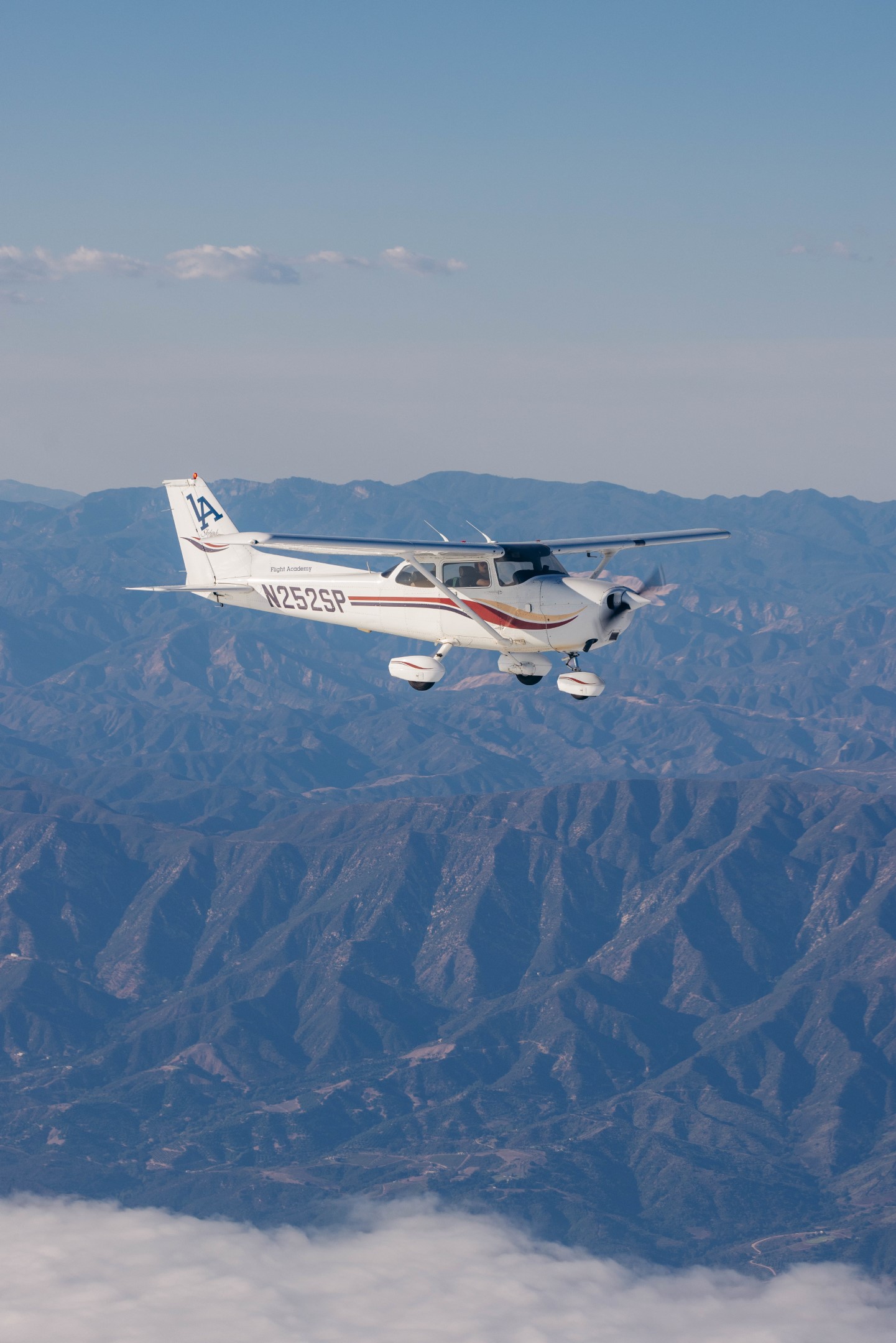
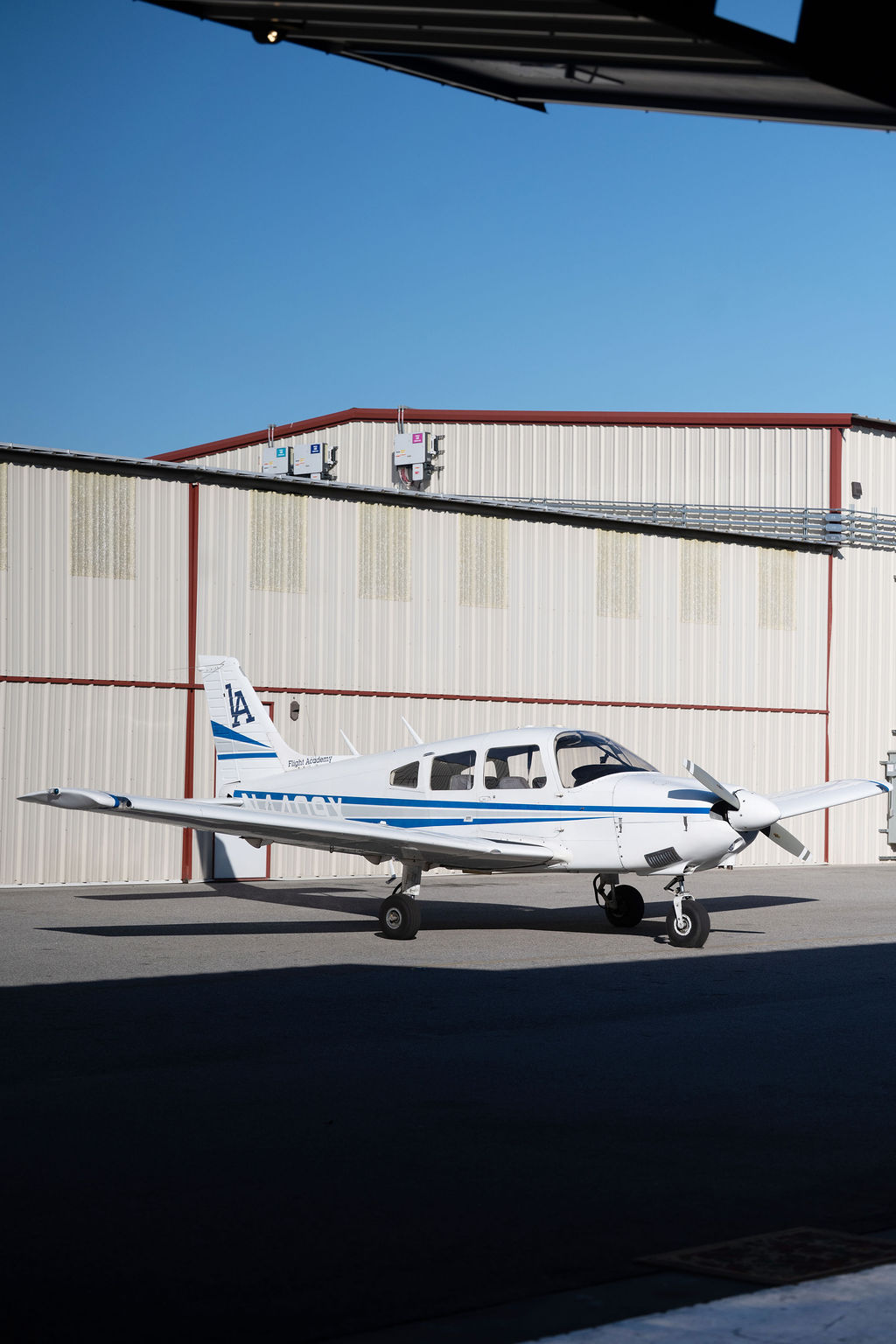
Our primary trainers are four-seat Cessna 172s and Piper Archers, and you can see each one on our fleet page. The instructor plans the fuel and the airplane around the people flying, so sharing an honest approximate weight when you book helps us set the flight up right.
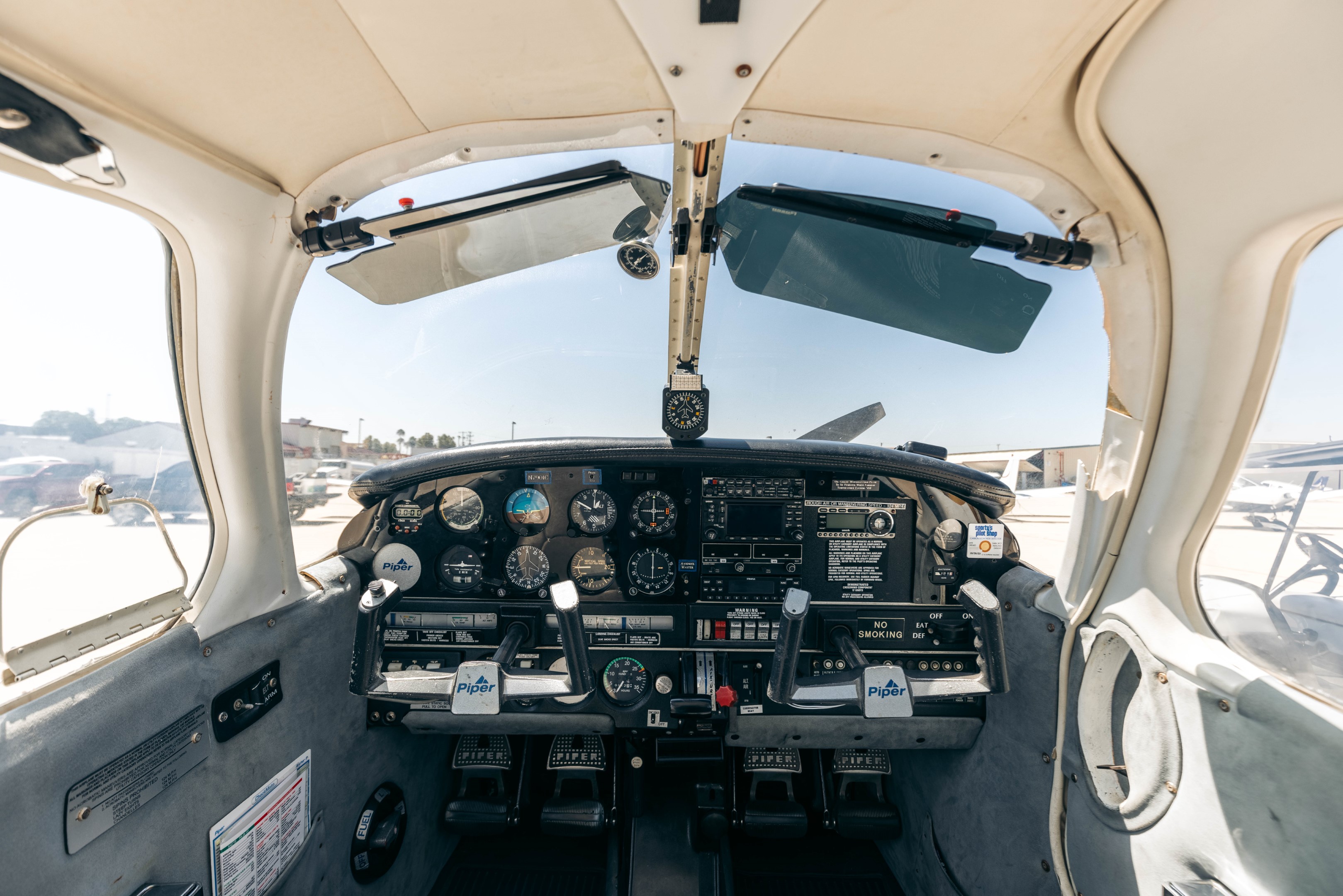
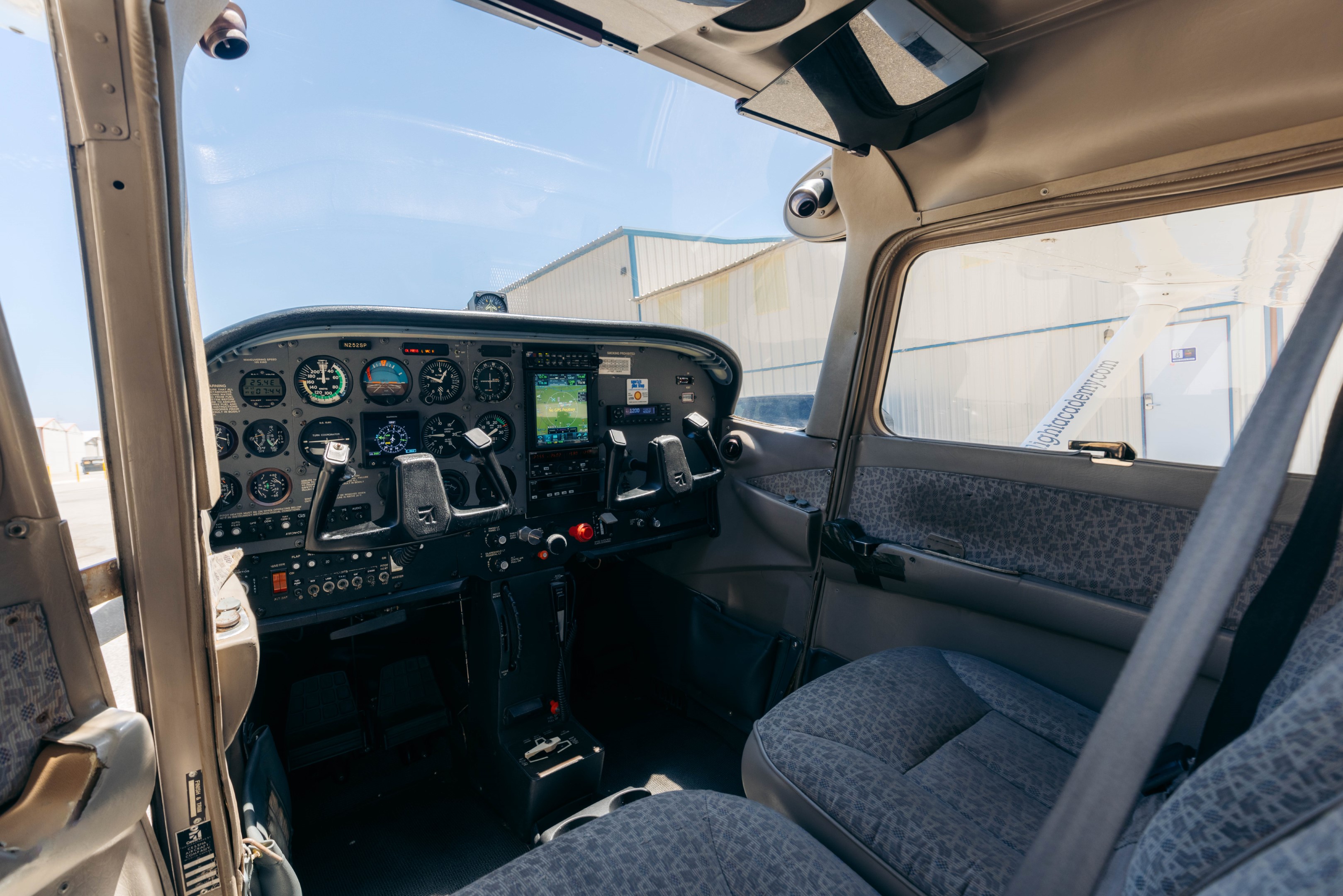
Comfort matters too. You need to sit with the seat belt fastened and reach the rudder pedals, and you share a small cockpit with your instructor. If you have any doubt about fit, call us at (747) 277-4232 before your date and we will match the flight to the airplane.
Nervous flyers are welcome on a discovery flight
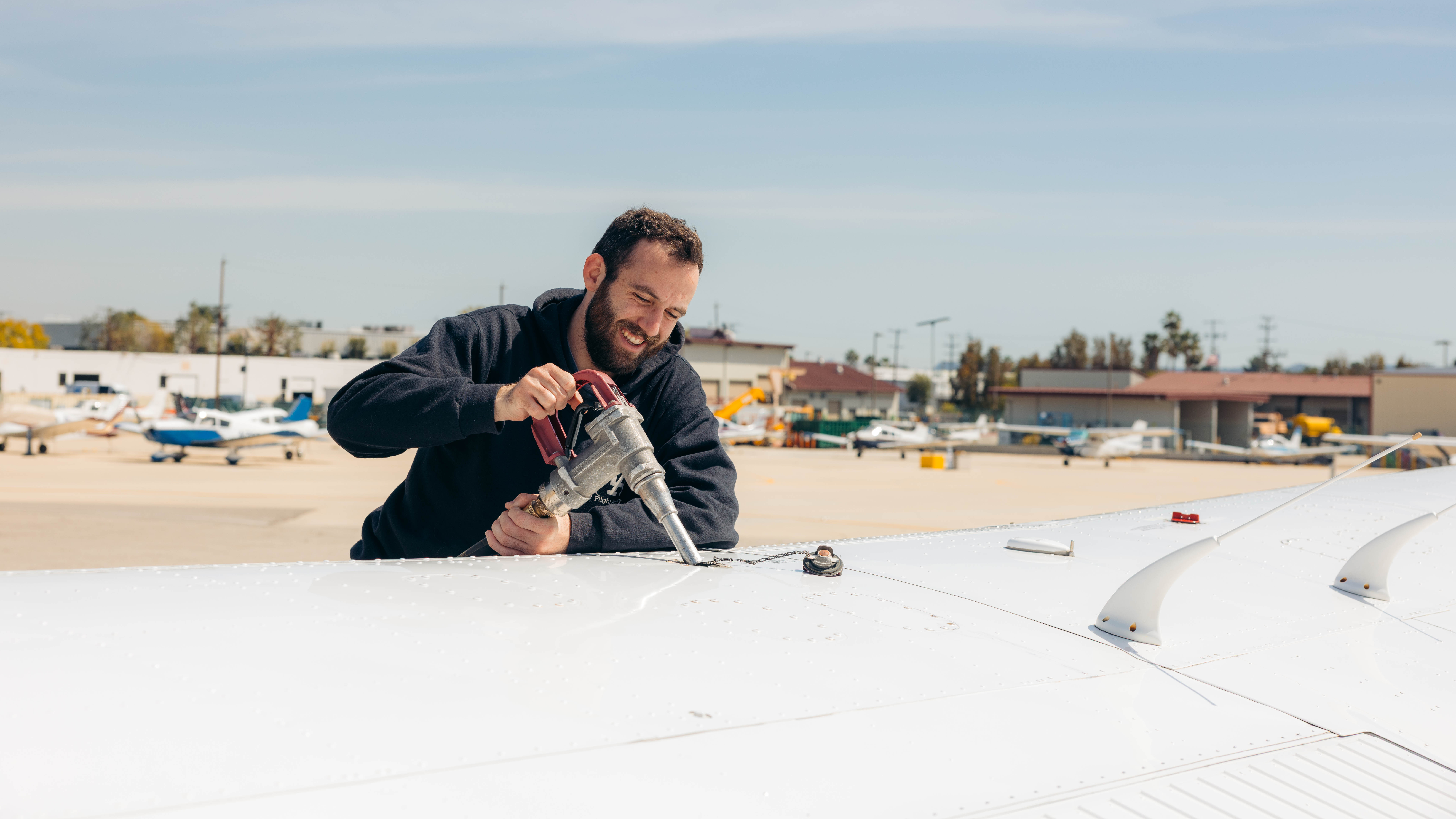
Plenty of people book a discovery flight because they are nervous and want to find out how flying actually feels. Feeling brave is not one of the requirements.
Your instructor talks you through each step before it happens, from the walk-around to the takeoff to the moment you take the controls. They have their own yoke and rudder pedals, so they can fly the airplane at any time. If you would rather watch for a while before you try, say so. There is no pressure and no obligation at any point.
Fear is common, and it usually shrinks once you understand what the airplane is doing. Our post on 7 common beginner pilot fears takes the biggest ones in turn, from the radio at Van Nuys to stalls.
What to do if you have a health question
You do not need an FAA medical for a discovery flight, but your own comfort still matters. If a health issue affects whether you feel well in a small airplane, check with your doctor before you book and tell us when you call. We can talk you through what the flight involves so you can make the call.
If you already know you want to become a pilot, look at the medical side early. A condition or medication question does not need to wait until you are 20 hours into training. An Aviation Medical Examiner, a doctor the FAA designates to issue pilot medical certificates, is the right person to ask. We do not give medical advice, and you should not guess.
The FAA’s medical certification page explains the classes, the exam, and how to apply. Our self-check on whether you are ready to start flight training also covers when to sort out the medical alongside your schedule and budget.
What changes once real training begins
The discovery flight asks almost nothing of you on paper. Training toward a certificate adds two FAA requirements before you fly solo, and it helps to see them now.
| Step | What you need | When it matters |
|---|---|---|
| Discovery flight | No certificate and no medical | Day one, with your instructor as pilot in command |
| Early lessons | No certificate and no medical to fly with an instructor | A good time to start both applications |
| First solo | Student pilot certificate (age 16 or older for airplanes) | Before you fly the airplane alone |
| First solo | Third-class medical or higher for most airplane students | Before you fly the airplane alone |
| Private Pilot License | Age 17, plus the training and tests | When you earn the certificate |
The medical comes from an Aviation Medical Examiner after you apply through the FAA’s MedXPress system. For a student pilot, a third-class medical is enough. Your instructor helps you time both applications so neither one holds up your first solo.
Your discovery flight also does not go to waste if you continue. Because you fly with a certificated instructor, the time can be logged and can count toward your pilot certificate if you continue training. To see what the next stage looks like, read what happens after your discovery flight.
How to plan the cost before you commit
Eligibility is usually the easy part. Budget is the bigger question for most people who want to keep going. Our breakdown of how much a discovery flight costs in Los Angeles covers the first flight and how it fits into the price of a certificate.
For the full training path, financing options are available to qualified applicants through our partners, Stratus Financial and Flight Training Finance. You can compare both on our financing page. If you are still choosing where to fly, our checklist on booking a discovery flight near you covers what to look for.
Frequently Asked Questions
Do I need a medical certificate for a discovery flight?
No. You do not need an FAA medical certificate to fly with an instructor on a discovery flight. Most airplane students need a third-class medical or higher before their first solo, which comes later in training.
Do I need a student pilot certificate before my first flight?
No. You only need a student pilot certificate before you fly solo. For airplanes, you must be 16 to get one. You can take lessons before you have it.
Is there a minimum age for a discovery flight?
The FAA’s age rules apply to certificates and solo flight, and the discovery flight minimum is set by the school. Tell us the flyer’s age when you book, and we will tell you what works.
Is there a weight limit for a discovery flight?
Every airplane has a maximum weight that covers people, fuel, and bags together. Share an approximate weight when you book or call (747) 277-4232, and we will match the flight to the right airplane and fuel load.
What if I am afraid of flying?
You are welcome. Your instructor explains each step, has a full set of controls, and lets you set the pace. There is no pressure and no obligation.
Does my discovery flight count toward a pilot license?
It can. The time can be logged and can count toward your pilot certificate if you continue training. See our Private Pilot course for how training is structured after that.
Book your discovery flight and find out for yourself
If you have read this far, you probably already qualify. No experience, no medical, and no student pilot certificate stand between you and the left seat. Tell us your age and approximate weight when you book, and we will handle the airplane side.
Book your discovery flight at Van Nuys and spend 30 to 40 minutes finding out whether flying is for you.