7 Common Beginner Pilot Fears in 2026, Solved

Published by:
Anthony N.
Published on:
Updated on:
Read time:
9 min read
Beginner pilot fears are normal. Most new students are not afraid because they are weak. They are afraid because the cockpit, the radio, the runway, the cost, and the FAA path all feel unknown at the same time.
The short answer is simple: the first step is not to prove you are fearless. The first step is to replace guesswork with a real instructor-guided experience. At LA Flight Academy, that can start with a Discovery Flight, where you meet an instructor, learn what happens before takeoff, and decide whether flight training fits you.
Here are seven fears beginner student pilots bring into the first conversation, and how the right training process helps you move through each one.
Fear 1: I Will Panic When the Wheels Leave the Runway
That first takeoff can feel bigger in your head than it feels in the airplane. You picture the runway rushing by, the nose lifting, and your mind going blank. The fear is not really about flying. It is about losing control of a situation you do not understand yet.
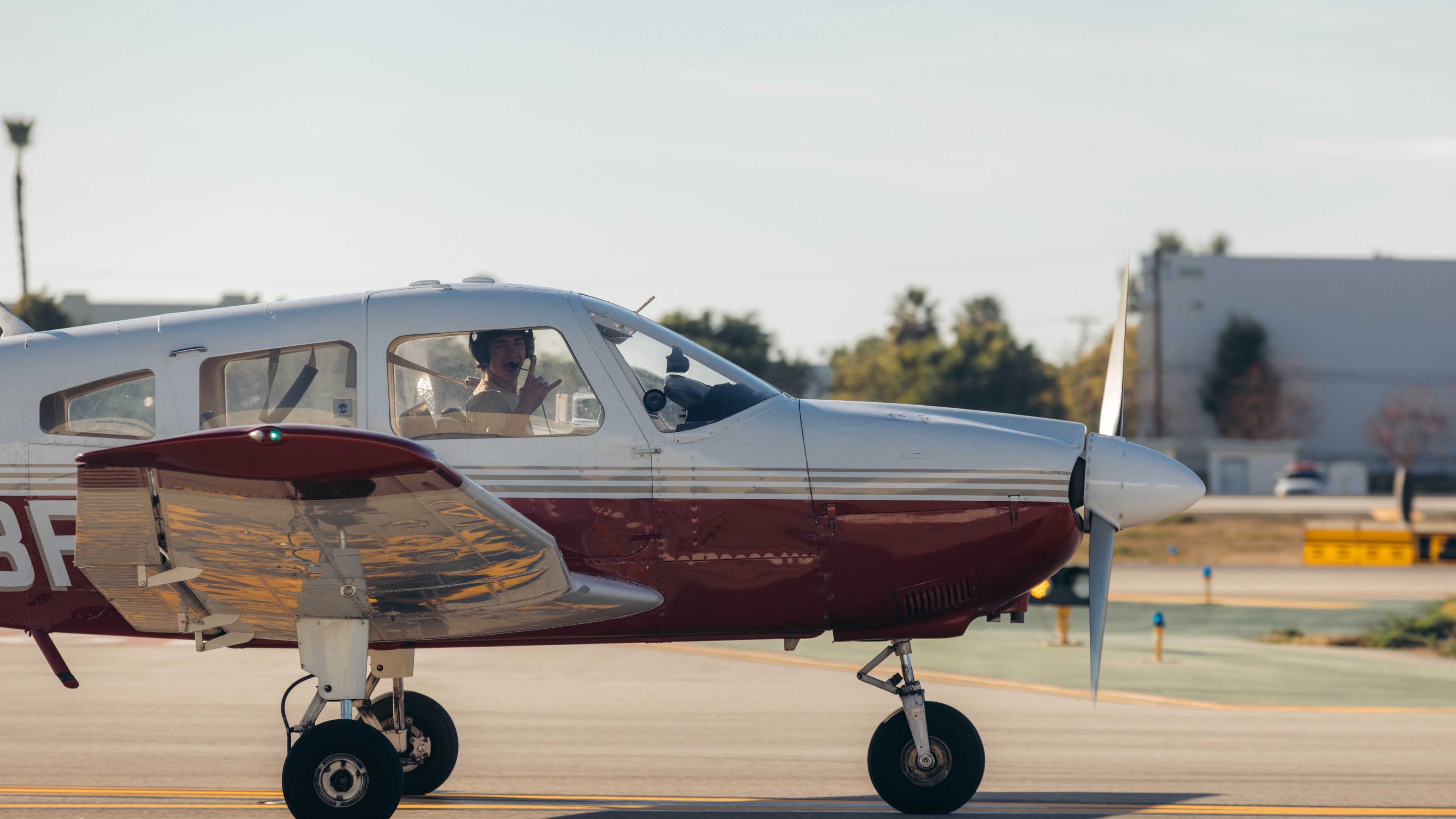
A good first lesson slows that moment down. During our Discovery Flight, you start with a pre-flight briefing and an instructor-led walk-around before you ever sit in the airplane. Your instructor explains what will happen, what sounds are normal, and what your role is during the flight.
Then, once you are at a safe point in the flight, your instructor can let you feel the controls under guidance. You are not expected to act like a pilot on day one. You are there to learn what flying feels like with a professional beside you.
The goal is not to erase every nerve. It is to give your brain a new reference point: flying is a learned skill, not a personality test.
Fear 2: The Airplane Will Be Too Hard to Control
Many beginners imagine the airplane as twitchy and unforgiving. In reality, primary flight training begins with small inputs, clear demonstrations, and a lot of instructor coaching. You learn how the airplane responds before you learn how to do anything complex.
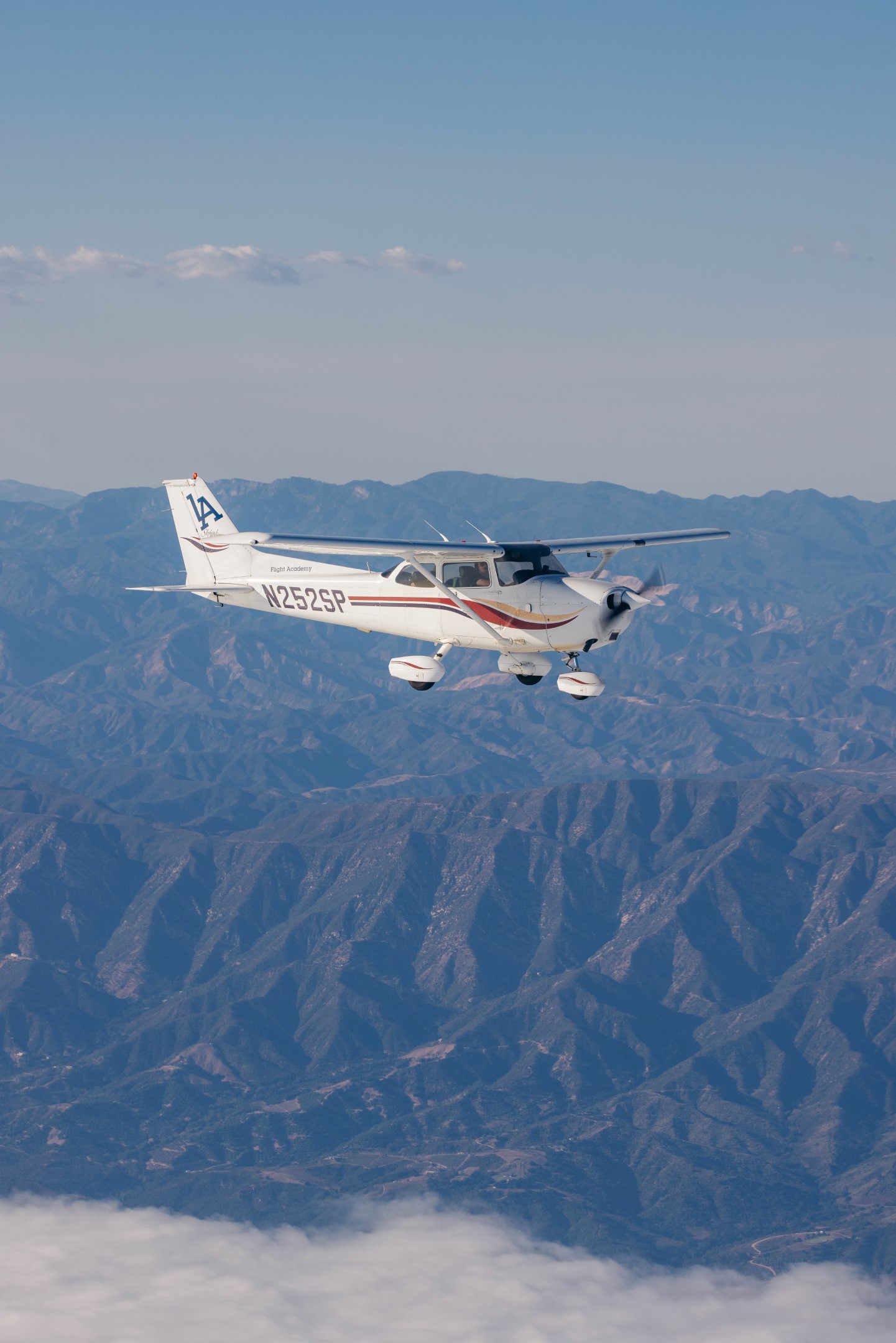
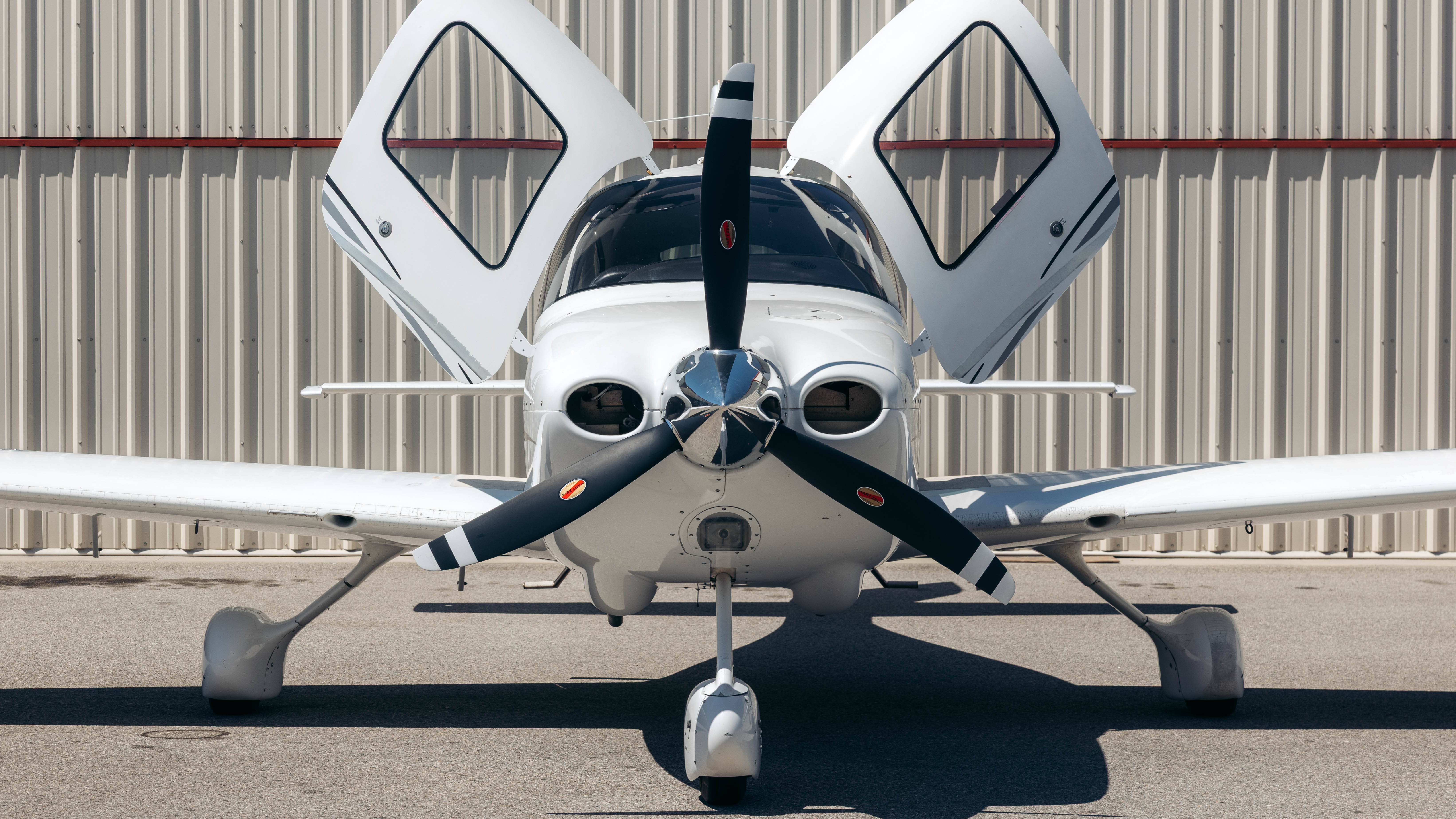
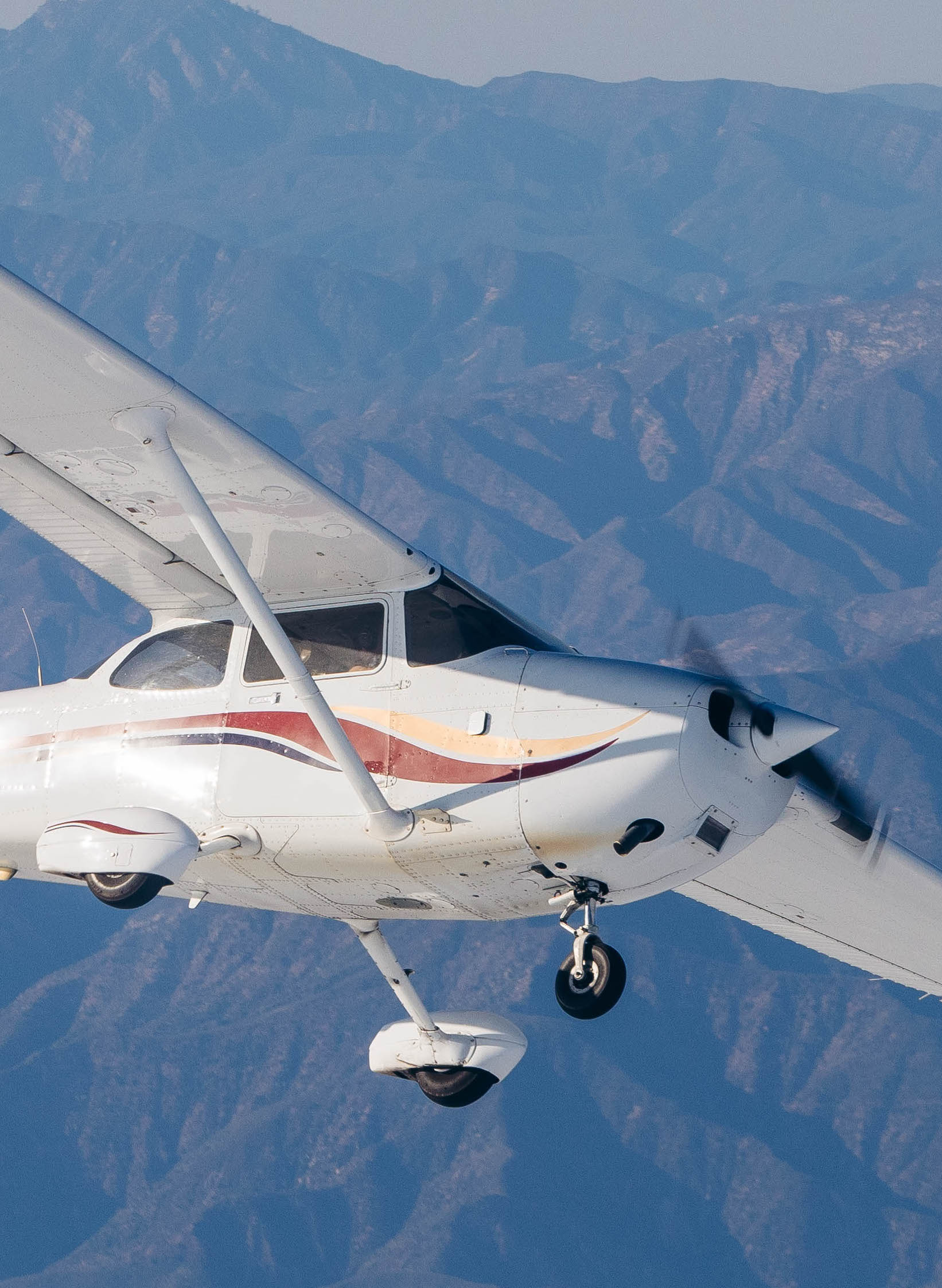
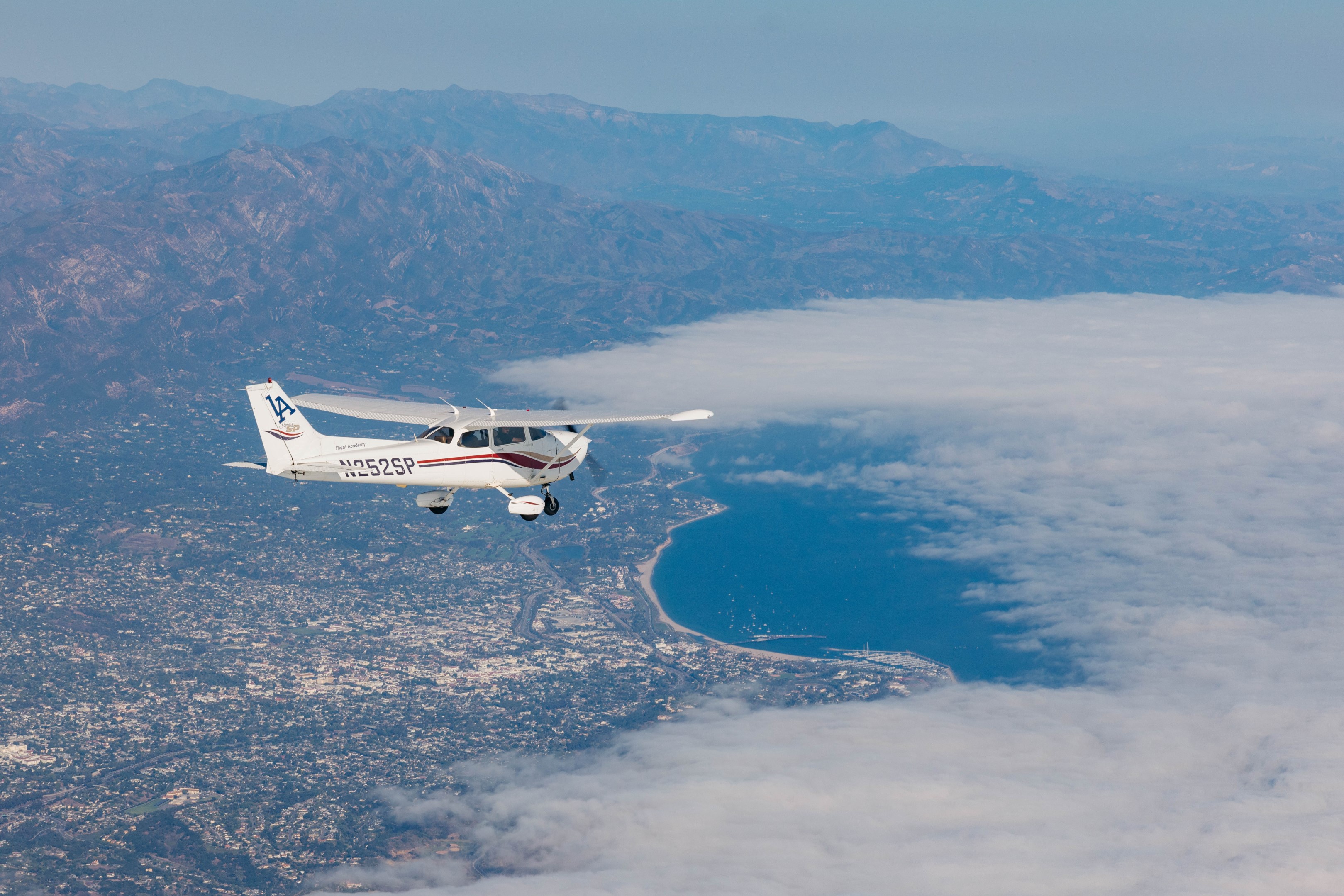
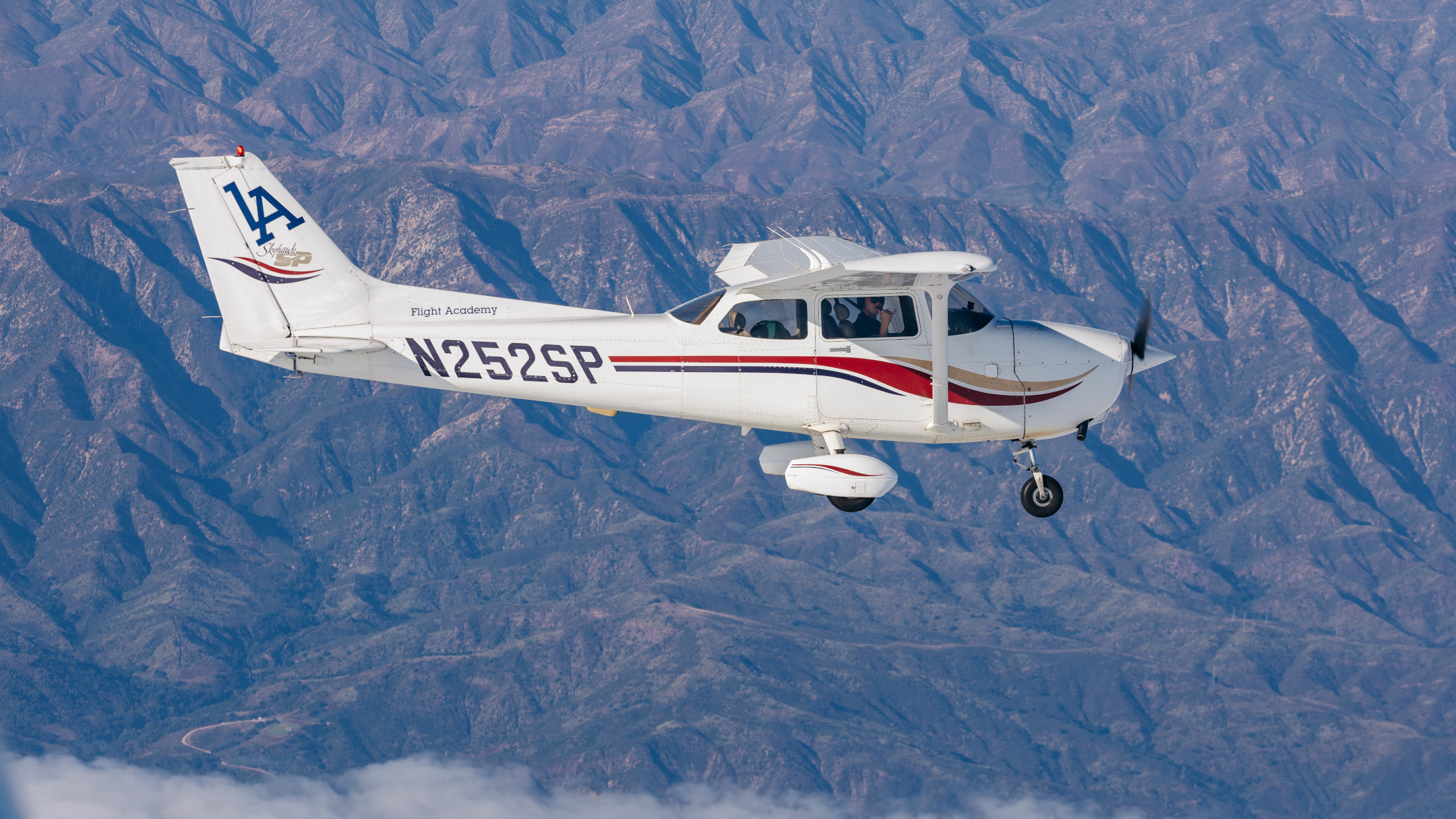
Our fleet supports different training stages, from Cessna and Piper aircraft for primary training to more advanced aircraft and simulator tools for later goals. The aircraft is not the only reason you improve. The real mechanism is repetition with feedback.
Your instructor shows you how to hold altitude, make gentle turns, use trim, and correct small mistakes early. As your hands get quieter, the airplane starts to feel less mysterious. That confidence comes from practice, not from natural talent.
If your long-term goal is a Private Pilot Certificate, this early control work becomes the foundation for takeoffs, landings, maneuvers, emergency procedures, and checkride readiness.
Fear 3: I Will Freeze on the Radio at Van Nuys
Radio anxiety is one of the most common beginner pilot fears, especially at a busy towered airport. Van Nuys Airport has real traffic, real controllers, and real aviation pace. That can sound intimidating before you understand the rhythm.
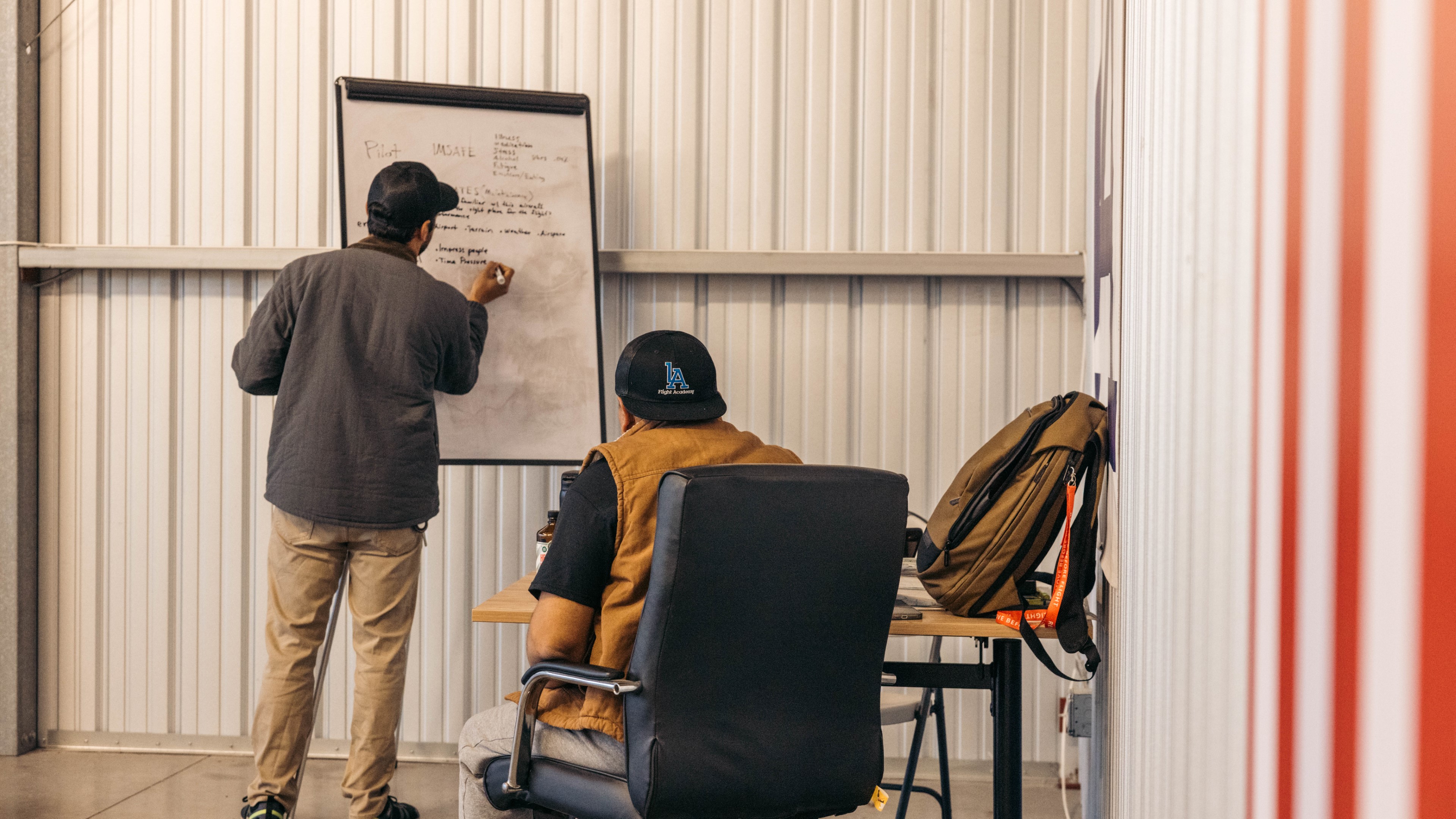
The benefit of training at Van Nuys Airport is that radio work becomes normal early. At first, your instructor handles the communication while you listen. You start hearing the same structure repeat: who is calling, where they are, and what they want.
Over time, the radio stops sounding like a foreign language. It becomes a pattern. You learn what to say, when to say it, and how to stay calm if a controller gives you a correction.
That is why a busy training environment can help the right student. You are not sheltered from radio work until late in training. You build that skill with instructor support from the beginning.
Fear 4: Stalls and Emergency Practice Sound Too Intense
The word “stall” scares beginners because it sounds like the airplane quits flying without warning. In training, stall practice is not a stunt. It is a controlled way to learn recognition and recovery with an instructor.
You learn what the airplane feels like as it approaches a stall, what cues to notice, and how to recover. The purpose is to help you keep control and make calm corrections. Emergency procedures work the same way: the more you practice the flow, the less mysterious the scenario feels.
Some skills can also be reinforced with structured ground tools. Our Gleim BATD flight simulator gives students a place to practice procedures, scan habits, and instrument work on the ground as training progresses.
Safety should never be sold as a slogan. In real training, it shows up in preflight habits, checklist discipline, weather decisions, instructor oversight, and honest debriefs. You can read more about that approach in our guide to aviation safety standards in flight training.
Fear 5: I Am Not Sure My Body or Schedule Fits Training
Some students worry they will find out too late that medical certification, age, work, school, or family life blocks the path. The right move is to bring those questions up early.
You can take lessons with an instructor before you hold a student pilot certificate. For airplane training, you need a student pilot certificate and medical certificate before solo, so medical questions deserve early attention. If you have a health history or medication question, talk with an Aviation Medical Examiner before investing heavily in training.
Schedule fear is separate. Training rewards consistency, but it does not require every student to have the same weekly rhythm. We offer flight training by appointment seven days a week, and our location and hours can help you plan a rhythm you can actually keep.
A serious training conversation should help you answer three questions:
| Fear | What You Need To Clarify | Helpful Next Step |
|---|---|---|
| Medical | Whether you should speak with an AME before solo planning | Start the conversation before heavy training spend |
| Schedule | How often you can train without long gaps | Build a weekly rhythm with your instructor |
| Training path | Which certificate or rating matches your goal | Compare options on our programs page |
Fear 6: The Cost Will Get Away From Me
Cost fear is rational. Flight training includes aircraft time, instructor time, ground study, supplies, testing, and checkride expenses. The final number is shaped by your lesson frequency, preparation, weather, aircraft availability, and proficiency.
That is why vague promises do not help. What helps is a clear plan. Before you commit, you should understand what you are training for, how often you plan to fly, which aircraft fit your stage, and how much ground study you can complete between lessons.
Our financing page gives you a place to review financing options when you are ready to plan the full path. Financing options may be available to qualified applicants, and they should be treated as part of a thoughtful cost conversation rather than a shortcut around planning.
The strongest cost control habit is consistency. When lessons are too spread out, students spend more time relearning. When you fly, study, and debrief on a steady rhythm, each lesson has a better chance to build on the last one.
Fear 7: The Checkride Will Expose That I Am Not Ready
The checkride can feel like a final judgment. It is really a practical test that comes after training, preparation, instructor endorsement, and repeated practice. You do not start there.
Our Private Pilot Course roadmap moves through ground school, flight training, solo preparation, cross-country and night work, the FAA knowledge test, and checkride preparation. Mock checkrides and instructor feedback help you find weak spots before the practical test.
Readiness depends on proficiency, preparation, schedule consistency, and operating conditions. That boundary is important because good training does not rush you to a test date just to say you moved fast.
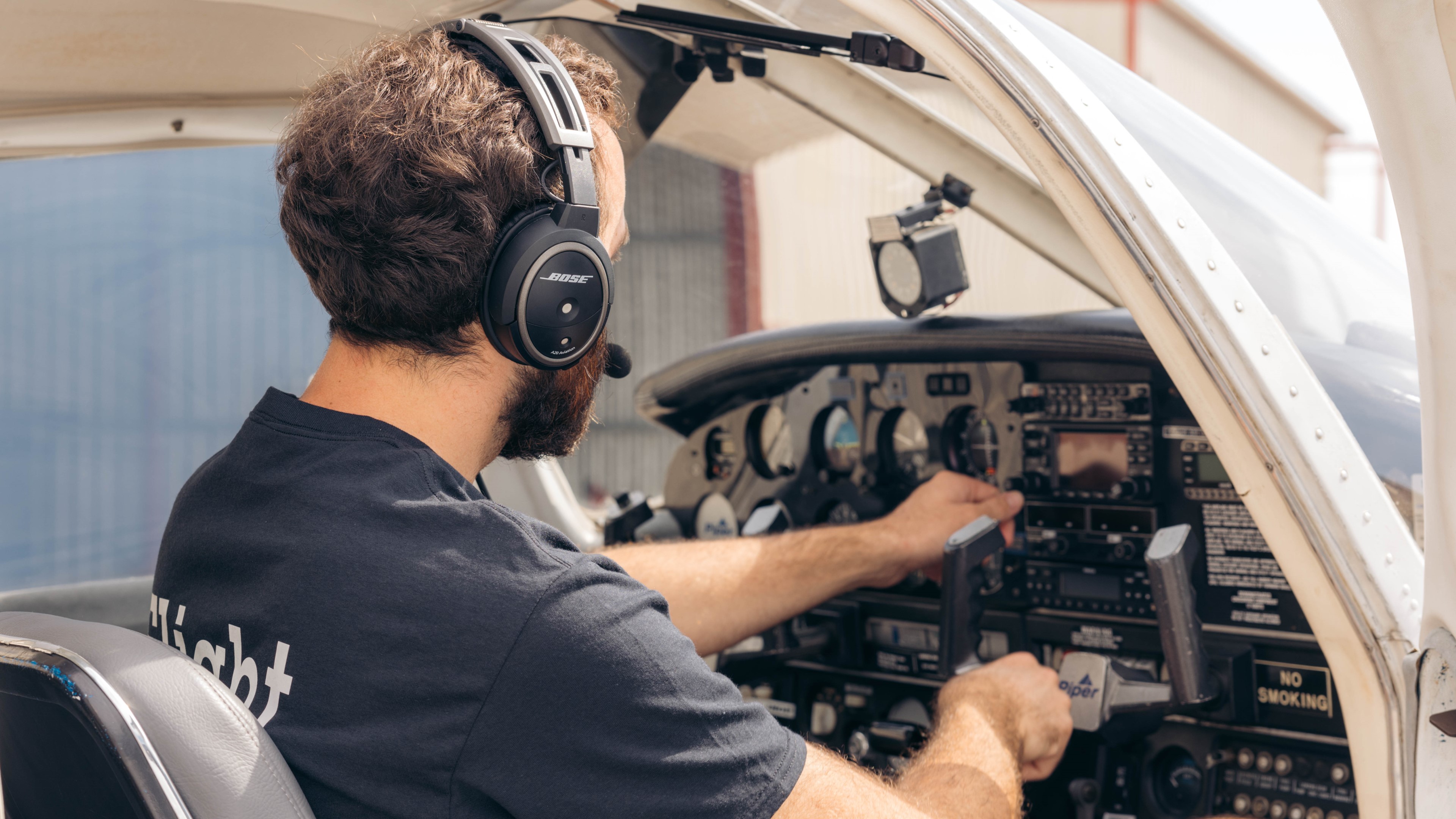
By the time you reach the checkride stage, the goal is for the tasks to feel familiar because you have already practiced them, reviewed them, and corrected them with your instructor.
A Simple Way To Sort Fear From Fit
Not every nervous thought means the same thing. Some fears are solved by information. Some are solved by repetition. Some need a direct conversation before you start.
Use this quick filter before you make the decision bigger than it needs to be:
| What You Feel | What It Usually Needs | LA Flight Academy Resource |
|---|---|---|
| ”I need to know what flying feels like.” | A first flight with no full-program commitment | Discovery Flight |
| ”I need to understand the training steps.” | A clear certificate roadmap | Private Pilot Course |
| ”I want to know where I will train.” | Local airport and airspace context | Van Nuys Airport training guide |
| ”I need to see the equipment.” | Aircraft and simulator details | Fleet overview |
| ”I need to plan the money.” | A financing and cost conversation | Financing options |
The point of this filter is simple: do not let one vague fear control the whole decision. Name the fear, match it to the right next step, and move one square forward.
FAQ
Is it normal to be scared before your first flight lesson?
Yes. A first lesson includes new sounds, new procedures, and a new environment. Starting with a Discovery Flight helps you replace imagination with a real instructor-guided experience.
Do I need experience before a Discovery Flight?
No. Our Discovery Flight is designed for complete beginners. You get a pre-flight briefing, instructor guidance, and 30 to 40 minutes in the air.
What if I am afraid of heights?
Many people who feel uneasy on ladders or balconies feel different inside an aircraft because the visual cues are different. The best first step is a calm introductory flight with an instructor, not a full training commitment.
Do I need a medical certificate before my first lesson?
You can start lessons with an instructor before solo requirements apply. For airplane training, handle medical certification early because you need it before solo. If you have medical questions, speak with an Aviation Medical Examiner.
Is Van Nuys too busy for a beginner?
Van Nuys is a busy training environment, but you are not handling it alone. Your instructor manages the workload at first, and you build radio, traffic, and airport awareness step by step through Van Nuys-based training.
How do I know if I am ready to start?
You do not need to feel fearless. You need enough curiosity to take one guided step. If you want a clearer answer, start with a first flight and debrief with an instructor.
Start With One Instructor-Guided Flight
The best way to handle beginner pilot fears is to stop arguing with them in your head. Put on the headset, sit beside an instructor, and see what flying actually feels like from the pilot seat.
Book your Discovery Flight with LA Flight Academy and take the first step from nervous curiosity to real cockpit experience.