Renting a Plane at VNY: 2026 Van Nuys Aircraft Rental Guide
Published by:
Anthony N.
Published on:
Read time:
5 min read
For pilots in Southern California, few experiences match the freedom of sitting at the controls, requesting taxi clearance from the tower, and climbing out over the San Fernando Valley. Whether you are a newly minted private pilot eager to share the skies with friends, an instrument candidate building cross-country hours, or a commercial pilot trainee compiling time, having access to a reliable fleet is crucial.
Operating out of Van Nuys Airport (VNY), one of the world’s busiest general aviation hubs, means you train and fly in a dynamic airspace. However, finding the right aircraft rental at VNY can feel daunting. From understanding insurance minimums to scheduling checkout flights, pilots face real administrative friction before they can take off.
Here is everything you need to know about renting a plane at Van Nuys Airport, including our rental rates, checkout requirements, and how to maximize your flight hours.
The Van Nuys Rental Fleet: Models and Rates
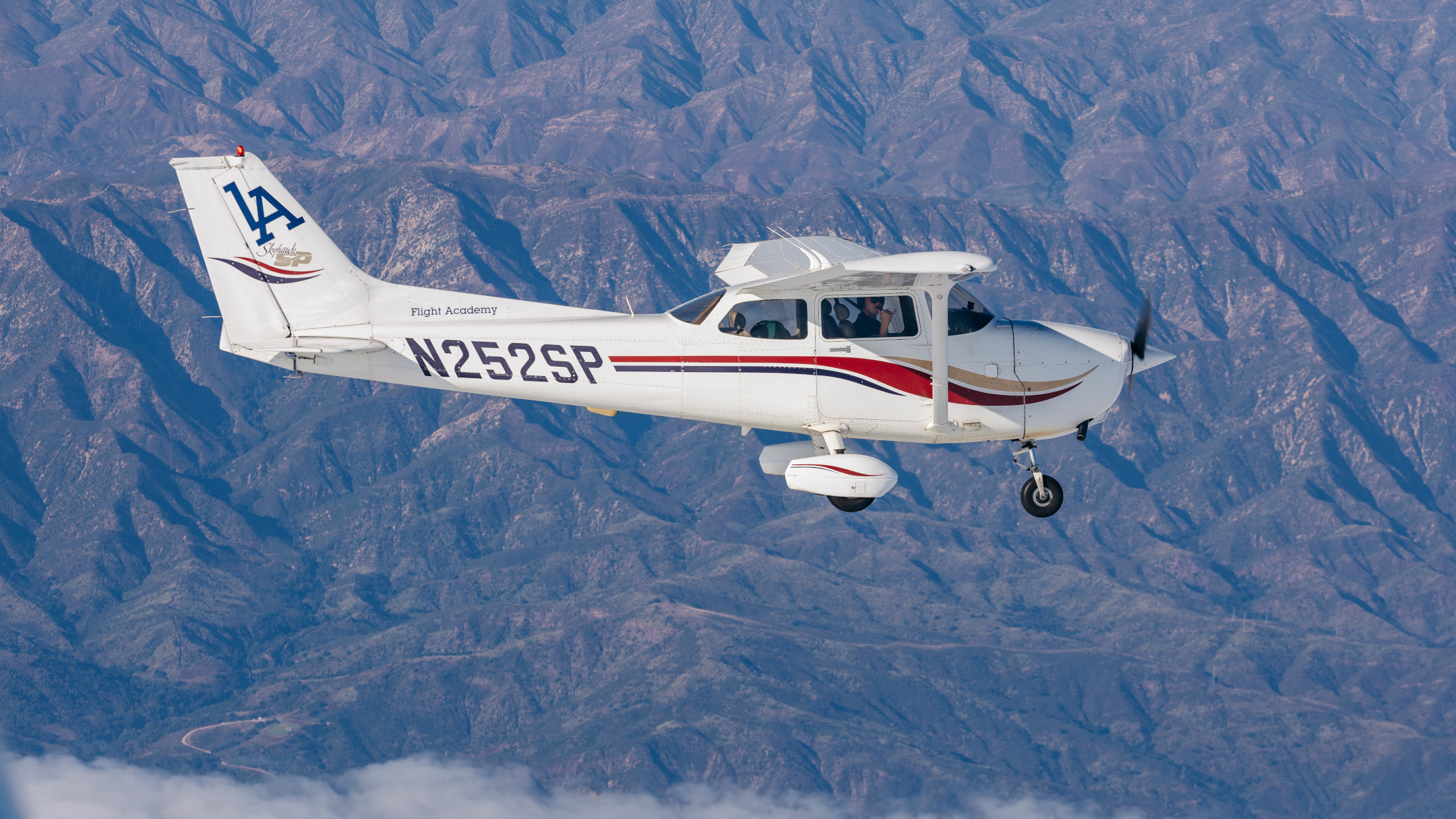
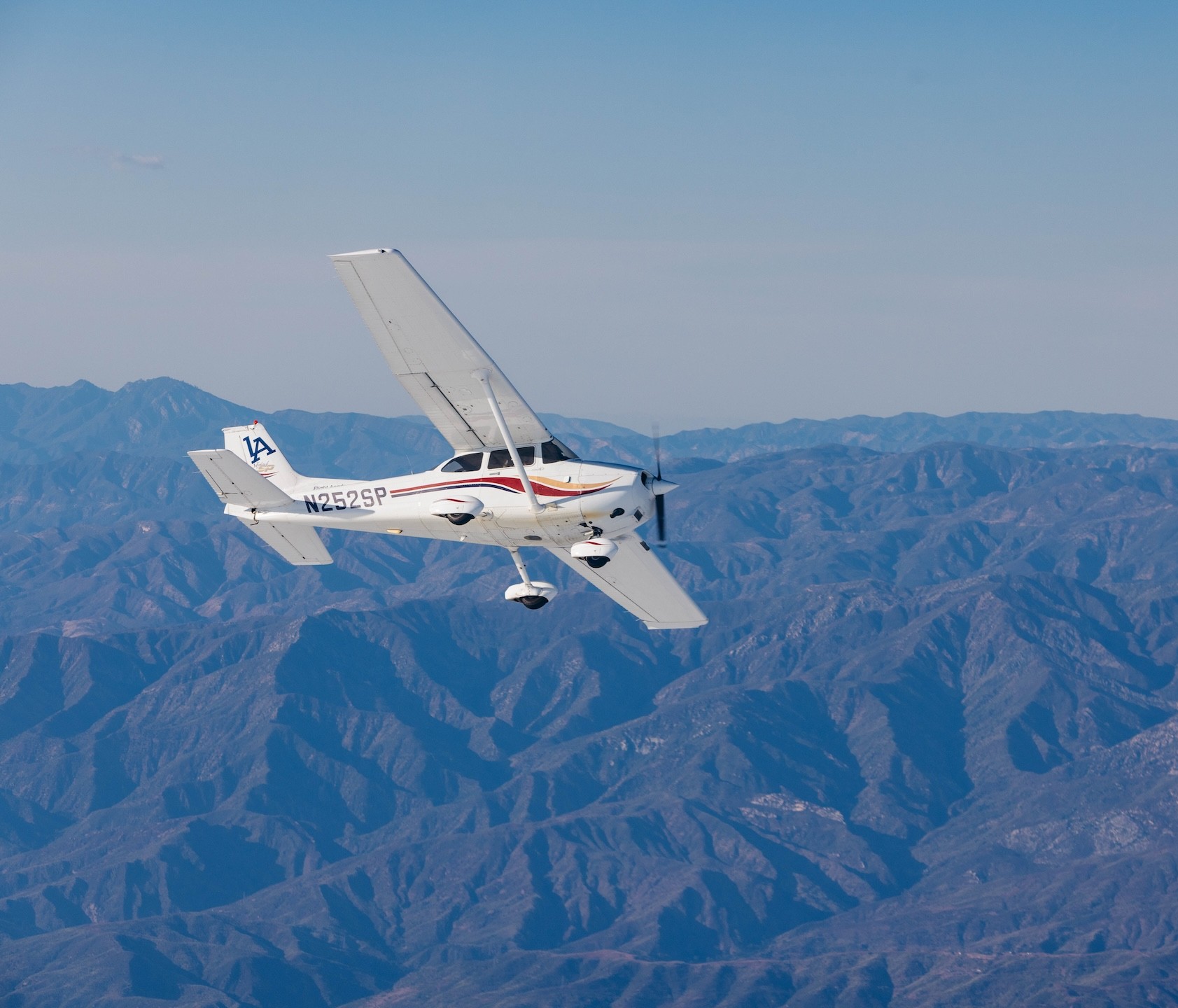
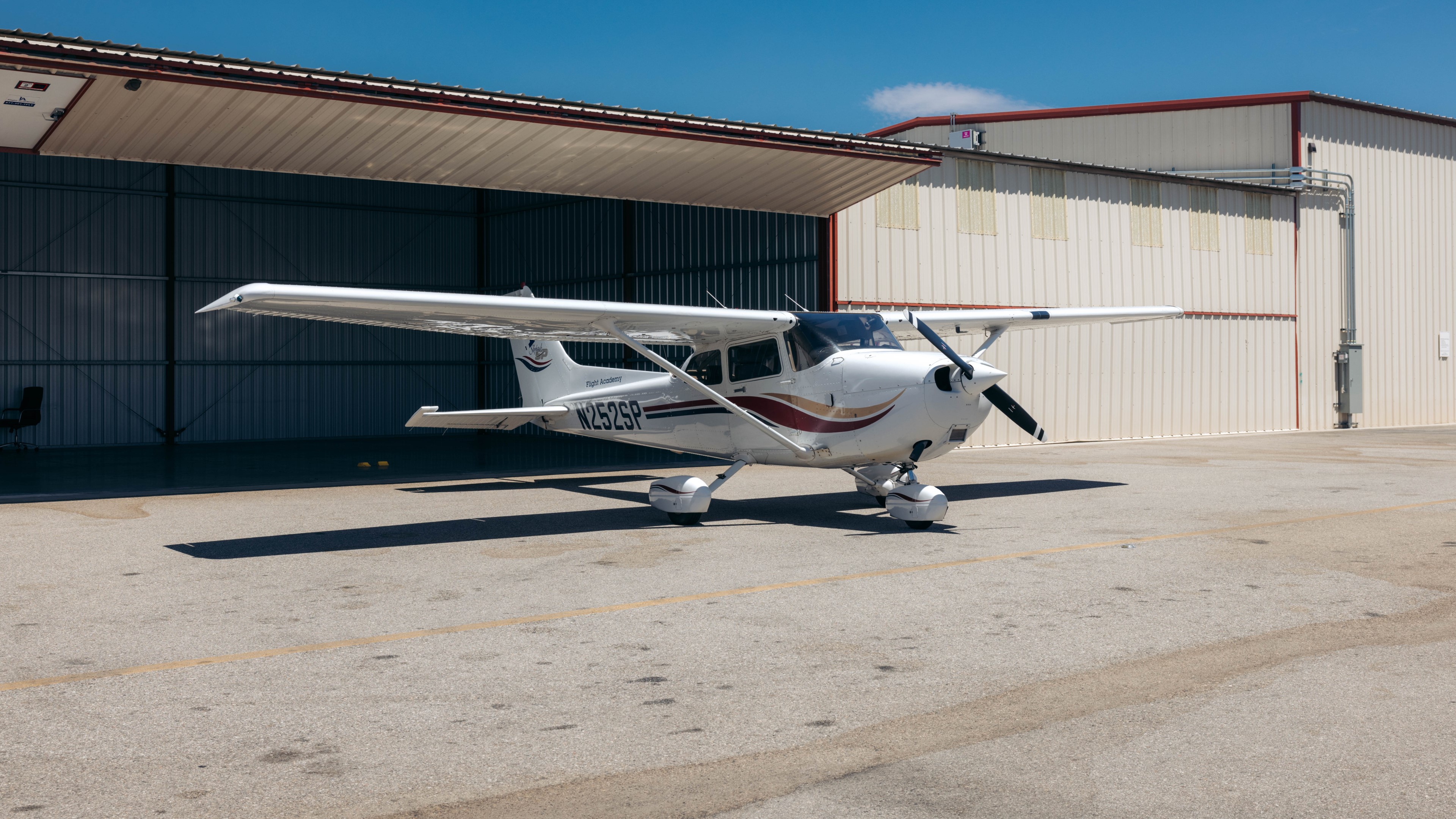
When looking for a van nuys aircraft rental, fleet variety and dispatch reliability are key. Different flight missions demand different aircraft characteristics. If you are practicing basic maneuvers or flying a short weekend trip to Santa Barbara, a stable high-wing trainer is ideal. If you are building technically advanced aircraft (TAA) hours or flying long-distance cross-country routes, a faster platform with modern avionics is preferred.
Our fleet is maintained to the highest safety and mechanical standards. We offer competitive hourly wet rates (which include fuel) alongside discounted block packages for pilots planning extended flight hours.
| Aircraft Model | Avionics & Capabilities | Hourly Rate (Wet) | Block Rate (10-Hour Wet) | Target Flight Training Programs |
|---|---|---|---|---|
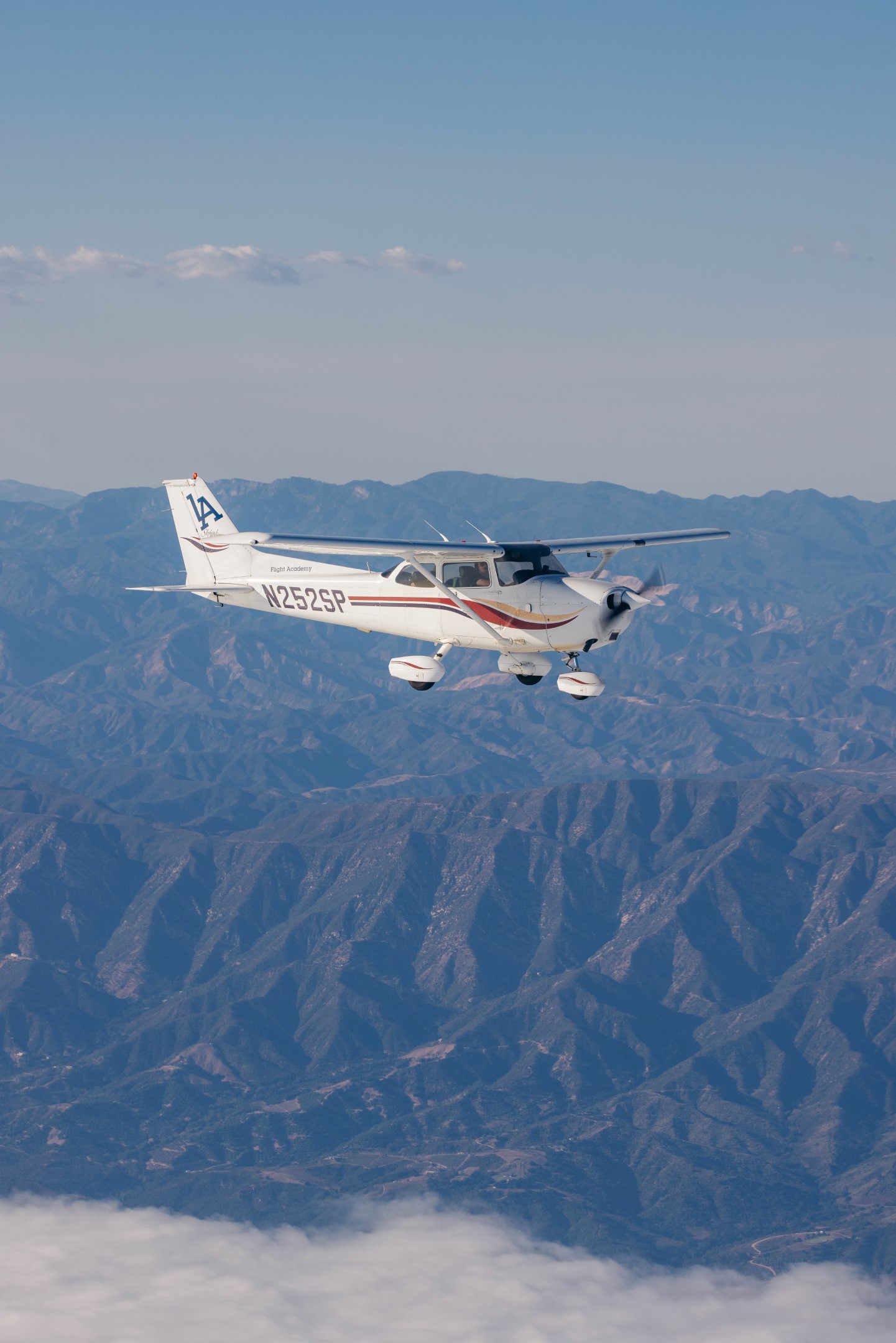
| Cessna 172S Skyhawk SP | Garmin Glass Panels, Fuel-Injected, IFR Certified | $190 / hr | $180 / hr | Private Pilot Course, Instrument Rating |
| Piper Archer II (PA28-181) | Low-Wing, Spacious Cabin, IFR Certified | $190 / hr | $180 / hr | Instrument Rating, Hour Building |
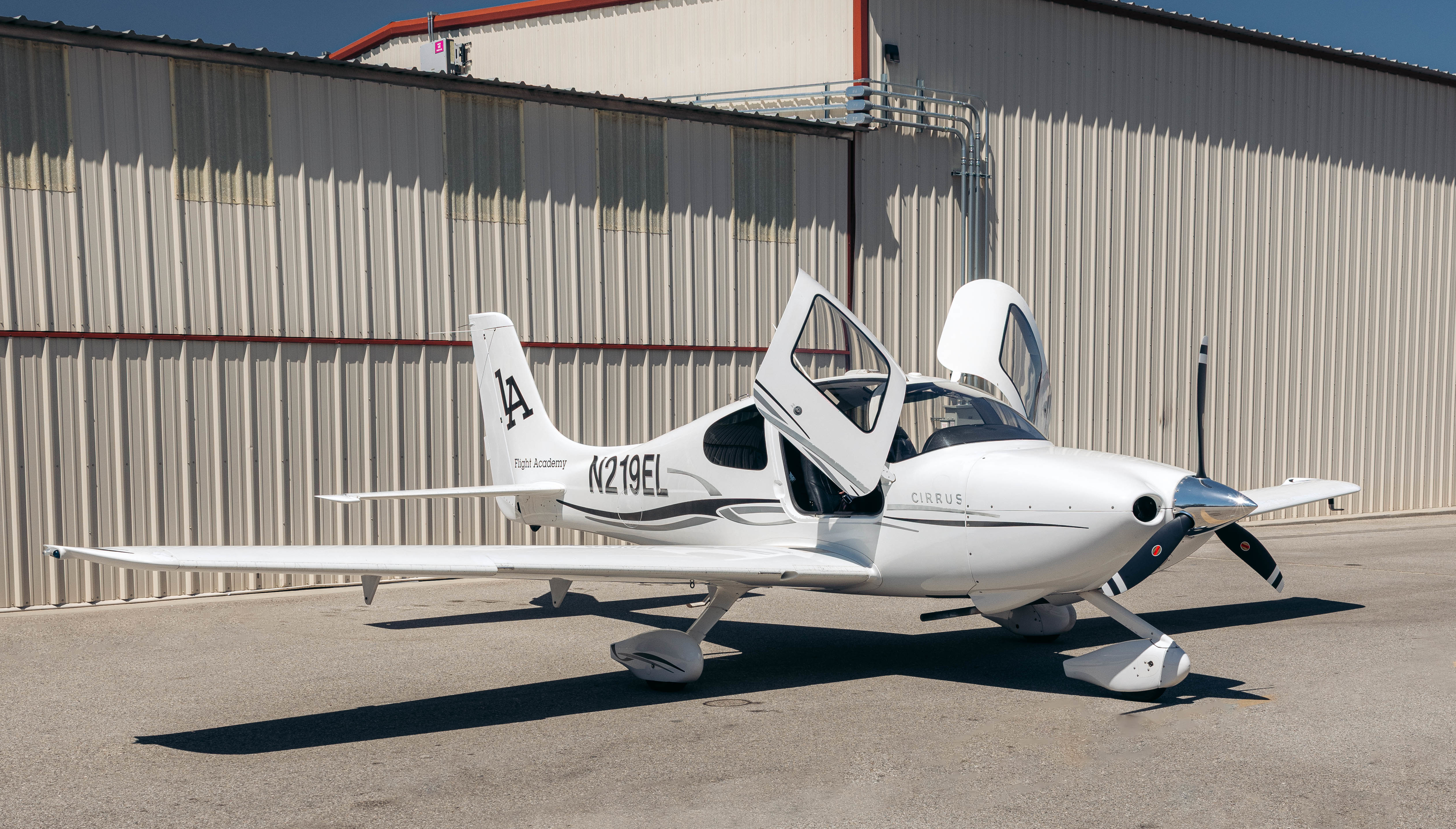
| Cirrus SR20 GTS | Avidyne Glass Cockpit, Dual Garmin 430, CAPS Parachute, TAA | $205 / hr | $195 / hr | Commercial Pilot, Cirrus Training |
| Beechcraft Twin Engine (95-A55) | Garmin Touchpad GPS, Autopilot, 2x 260 HP, Complex / High-Performance | $390 / hr | $360 / hr | Multi-Engine Rating |
Stepping Up: The Rental Checkout Process
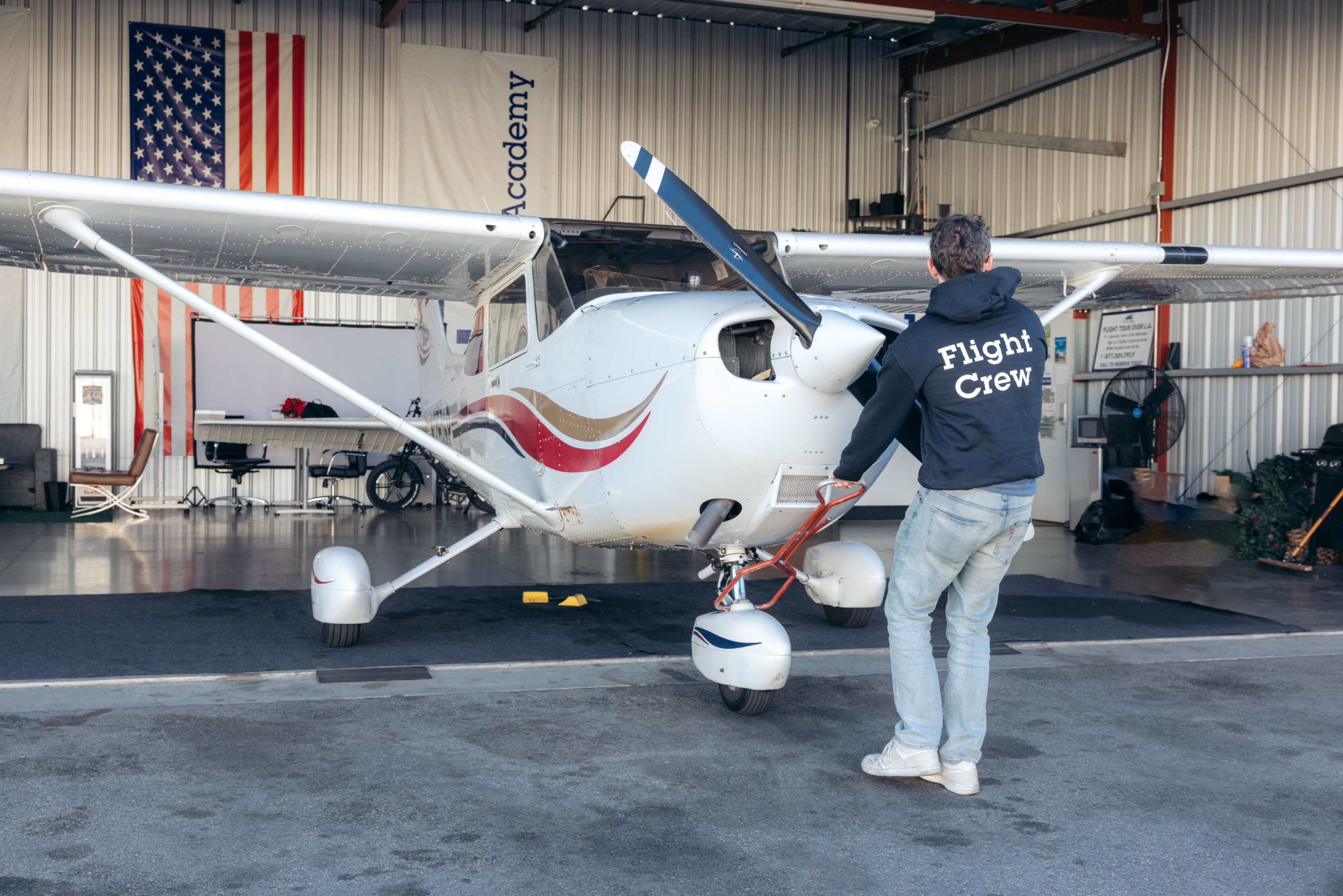
Before you can take the keys to any rental aircraft, you must complete a standard rental checkout flight with a Certified Flight Instructor (CFI). This is an industry-standard practice required by aviation insurance providers to ensure passenger safety and aircraft protection.
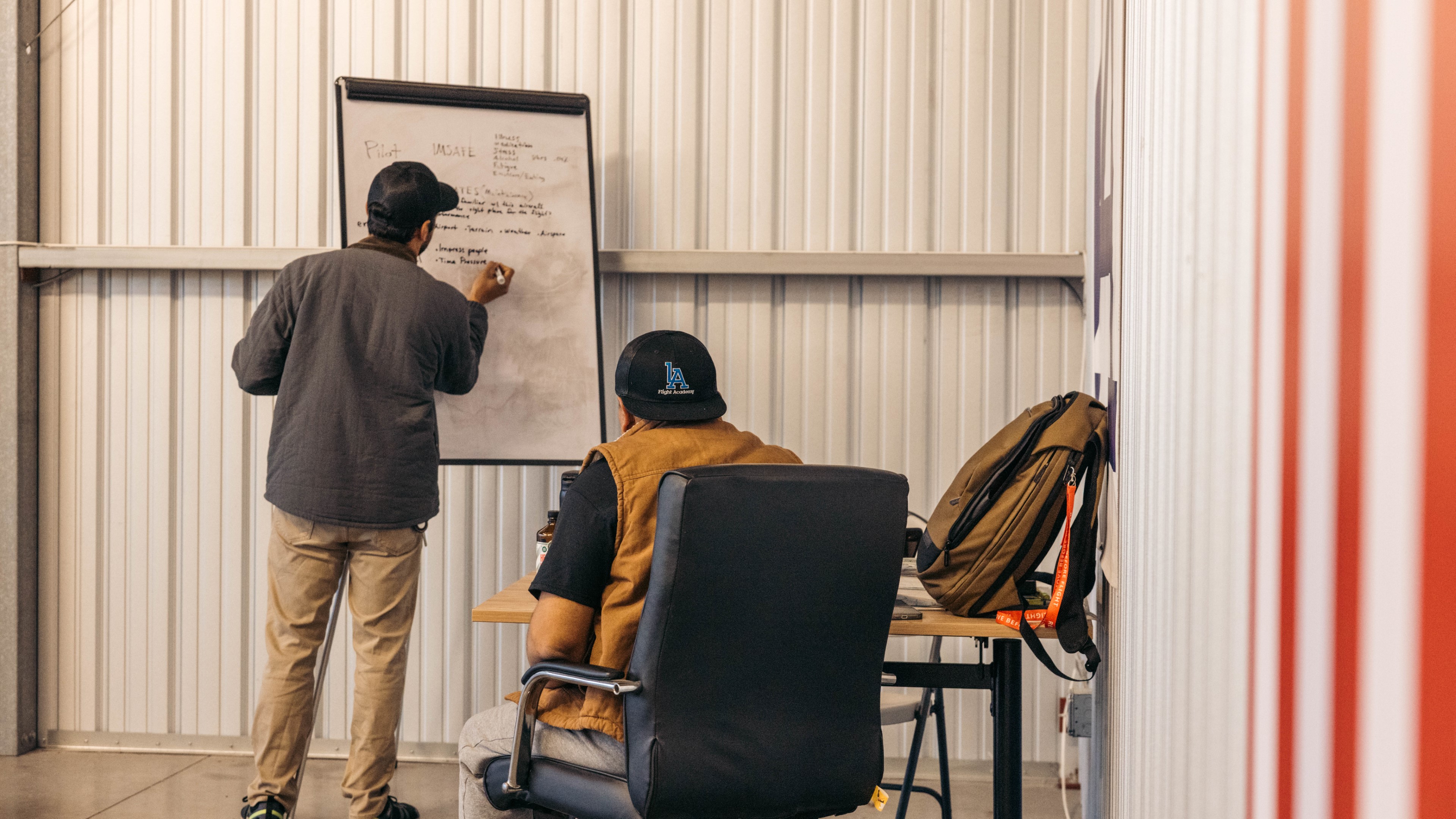
A typical checkout is not a stressful exam; rather, it is a collaborative flight designed to familiarize you with the aircraft’s specific systems, cockpit layout, and handling characteristics. Here is what to expect during a checkout flight at VNY:
- Preflight and Systems Discussion: You will review the aircraft’s pilot operating handbook (POH), weight and balance limits, fuel system, electrical systems, and emergency equipment.
- Airspace and ATC Familiarization: Because VNY is a busy Class D towered airport nested beneath the complex Los Angeles Class B airspace, we will verify your comfort with radio communications, taxi instructions, and local landmarks (such as the Sepulveda Basin or the Newhall Pass).
- Flight Maneuvers: You will perform basic maneuvers including slow flight, steep turns, stall recoveries, and emergency glide procedures to demonstrate solid stick-and-rudder skills.
- Takeoffs and Landings: You will practice normal, crosswind, short-field, and soft-field takeoffs and landings to ensure you can safely handle the aircraft in various airport environments.
Once the checkout is complete, the instructor will sign off your rental endorsement in your logbook, clearing you to reserve that aircraft model for solo flights.
Protecting Yourself: Renter’s Insurance Requirements
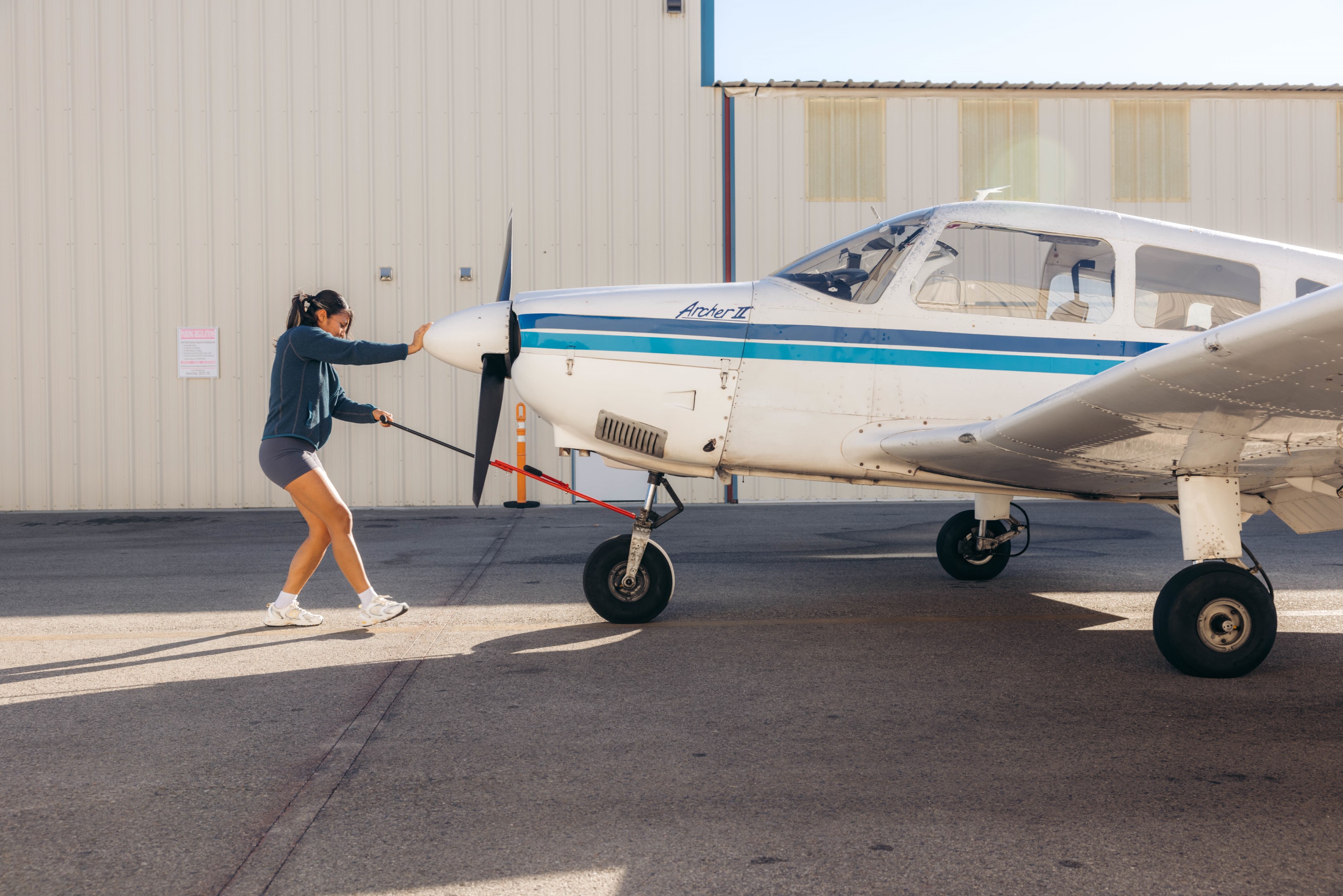
One critical friction point many pilots overlook is non-owned aircraft insurance (commonly known as renter’s insurance). While flight schools carry comprehensive hull insurance to protect their aircraft, this coverage typically protects the school, not the individual renter.
If an incident occurs during a solo rental flight, you could be held personally liable for the hull deductible or third-party property damage. To prevent financial surprises, we require all solo renters to hold a valid aircraft renter’s insurance policy prior to dispatch.
A standard renter’s policy is affordable and can be secured online within minutes from providers like Avemco or SkyWatch. Your policy should cover:
- Aircraft Hull Damage (Physical Damage): Typically matching the school’s deductible limits (contact our office for current deductible figures).
- Liability Coverage: For bodily injury and property damage to third parties.
- Medical Payments: For you and your passengers.
Having renter’s insurance in place gives you complete peace of mind, allowing you to focus entirely on enjoying your flight.
Hour Building and Financial Planning
For pilots working toward advanced certificates like the Commercial Pilot license, logging the required 250 hours of flight time is a major hurdle. Billed hourly, this can represent a significant financial investment.
To make hour-building more manageable, pilots can take advantage of our discounted block rates by pre-purchasing flight hours in 10-hour increments. Pre-purchasing block hours helps reduce the overall cost of training and allows for consistent budgeting.
If you are pursuing career ratings and need structured financial support, flexible financing options are available through our specialized aviation lenders, including Stratus Financial and Flight Training Finance. This allows qualified applicants to secure funding for block packages and advanced ratings while maintaining consistent training momentum.
Why Van Nuys Airport is the Ultimate Rental Base
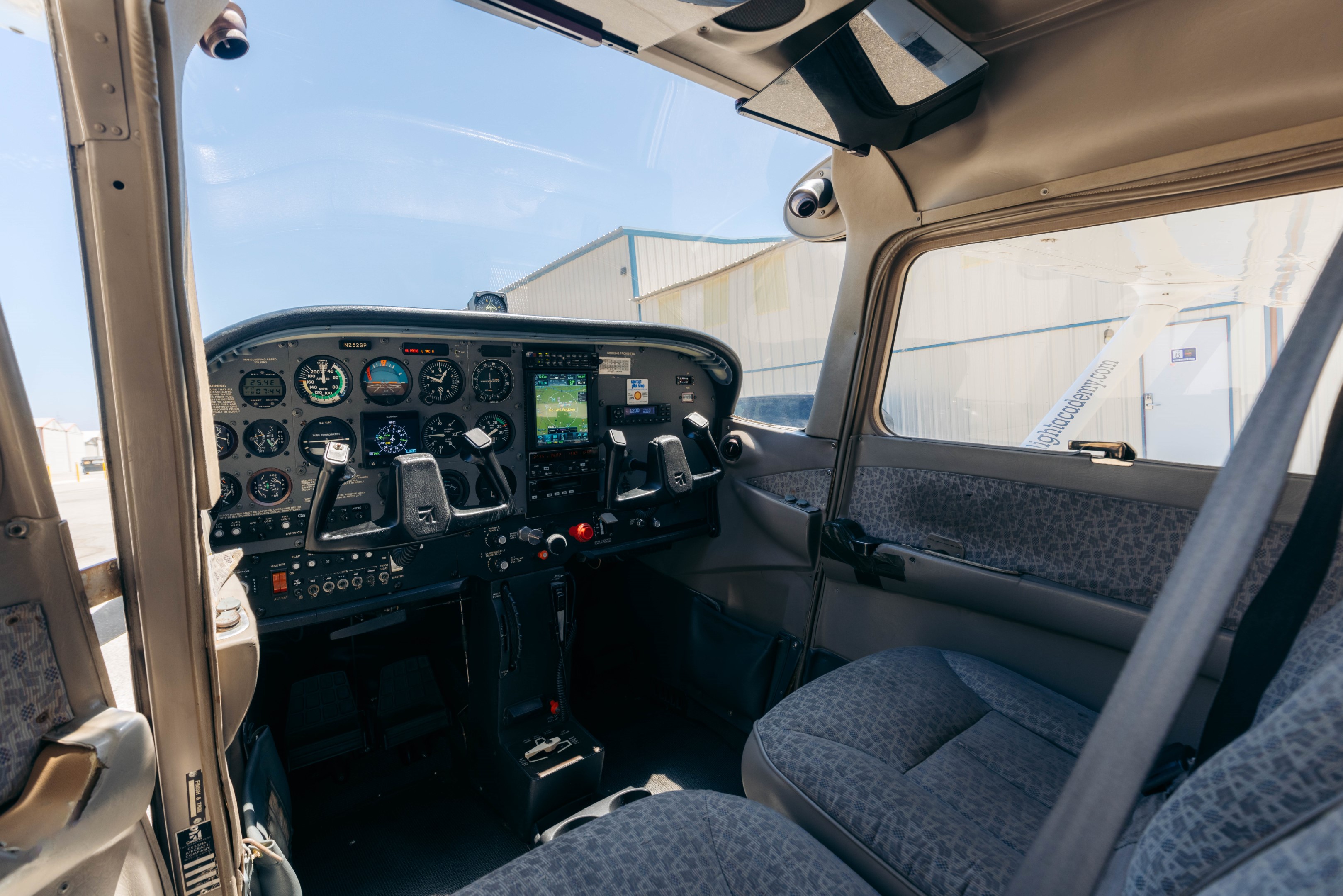
Renting out of VNY offers unique structural advantages that make you a sharper pilot. With parallel runways (16R/34L and 16L/34R), an active control tower, and a mix of corporate jets and light training aircraft, VNY teaches you to fly in a high-density, professional environment.
Our operations run 7 days a week from 8:00 AM to 9:00 PM, giving you the flexibility to plan weekend cross-countries or early morning flights before the afternoon winds pick up. If you are commuting from nearby areas like Burbank, Glendale, or Sherman Oaks, our convenient location at VNY makes scheduling checkout flights and weekly rentals straightforward.
Schedule Your Rental Checkout Today
Ready to take control of your aviation journey? Whether you want to fly a Cessna 172S Skyhawk down the coast or build hours in our high-performance Cirrus SR20 GTS, our team is ready to get you checked out and into the air.
Contact us today to schedule your rental checkout flight with one of our experienced flight instructors and get cleared to fly.