Inside a Flying Academy in Van Nuys: A Student Day

Published by:
Anthony N.
Published on:
Updated on:
Read time:
8 min read
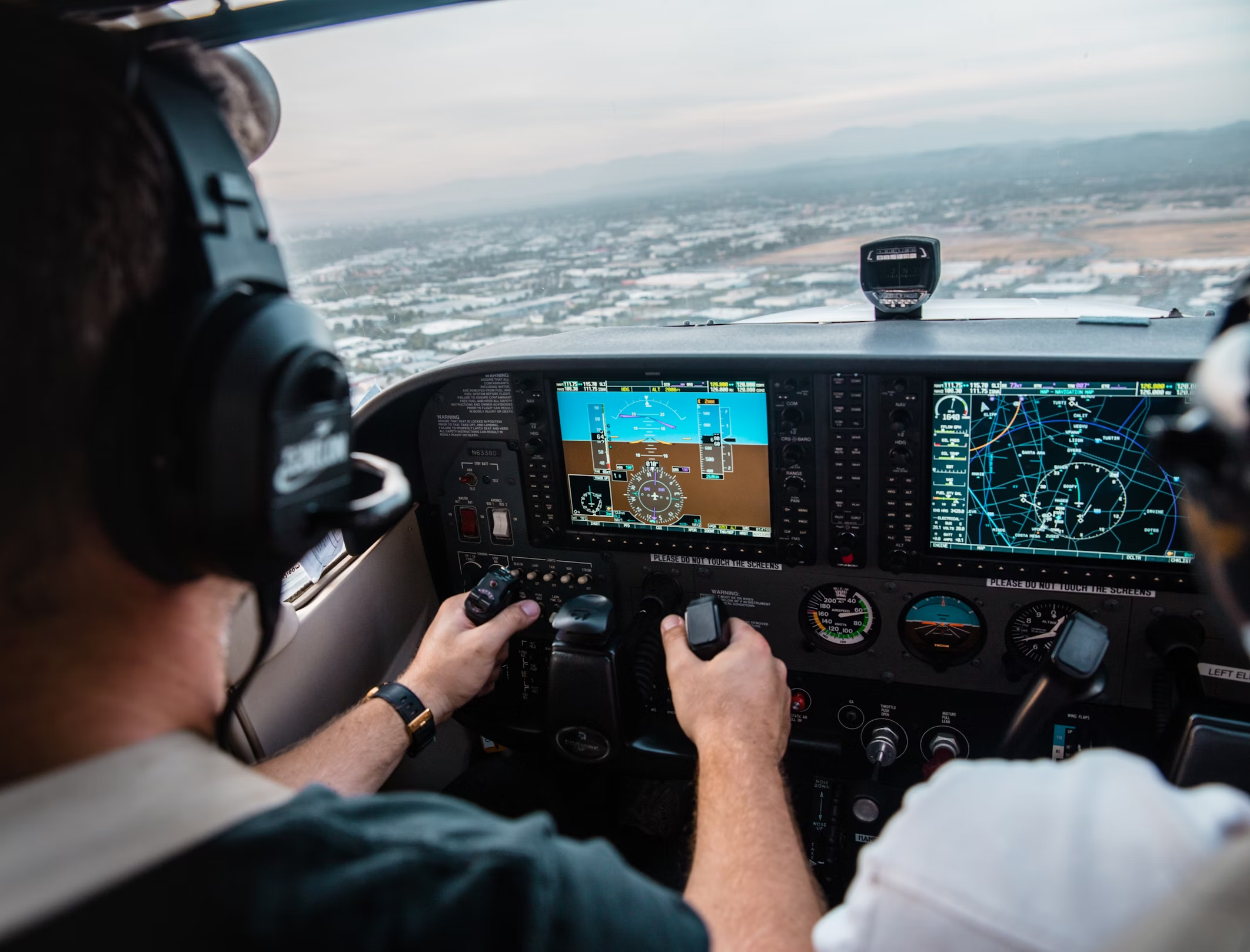
The headset goes on, the checklist comes out, and the airport frequency fills with calls before the airplane moves. Inside a flying academy in Van Nuys, a student day connects preparation, cockpit practice, and instructor feedback into one continuous lesson. The flying may be the most visible part, but the learning starts well before takeoff and continues after shutdown.
At LA Flight Academy, a typical training block can include a briefing, an instructor-led preflight, a flight from a towered airport, and a focused debrief. The exact content changes with your goals, proficiency, weather, and current aircraft and instructor availability. If you are still deciding whether to begin, our new-pilot guide explains the first steps without asking you to choose a full training path immediately.
A useful flight lesson starts before the engine does
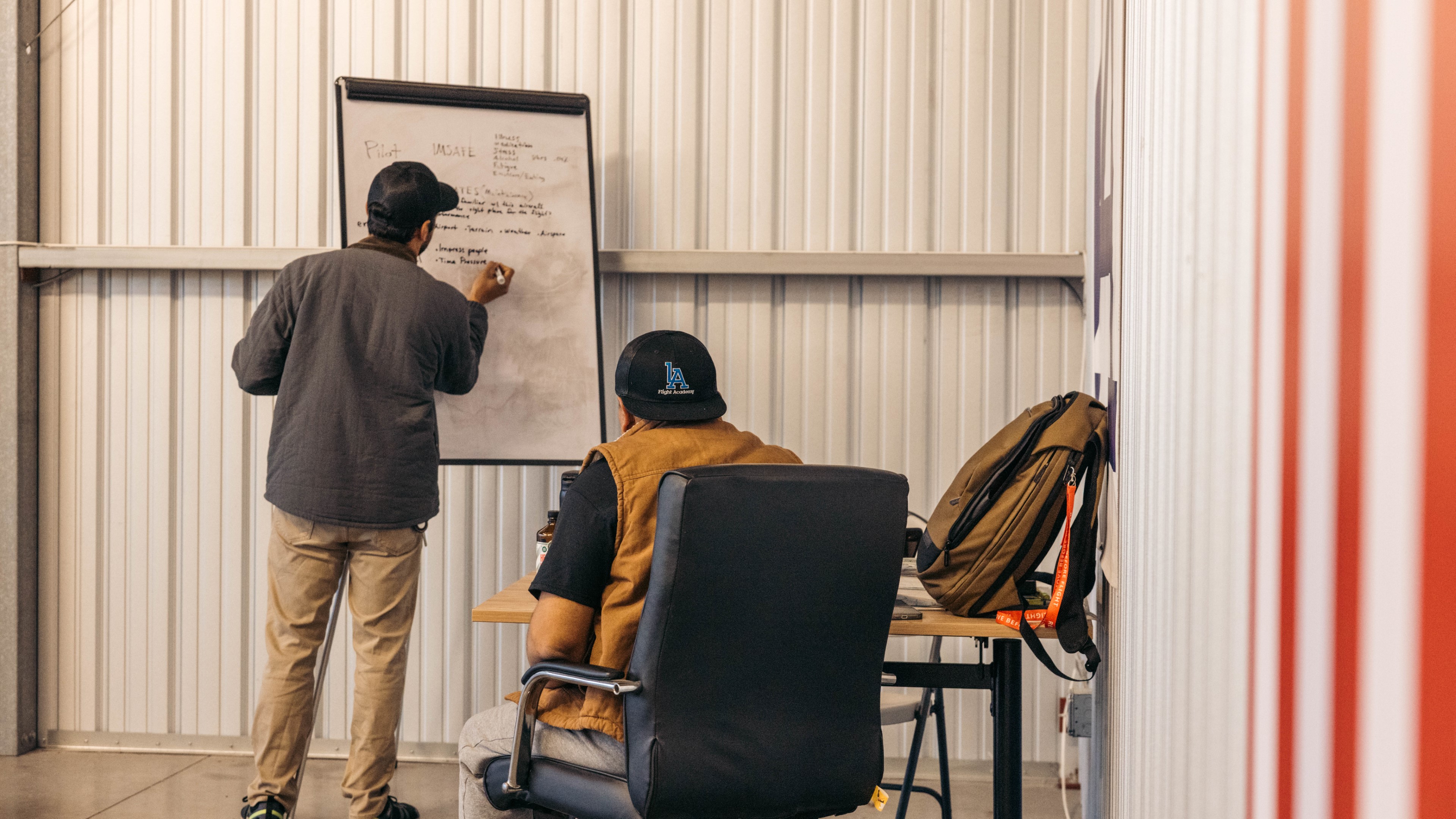
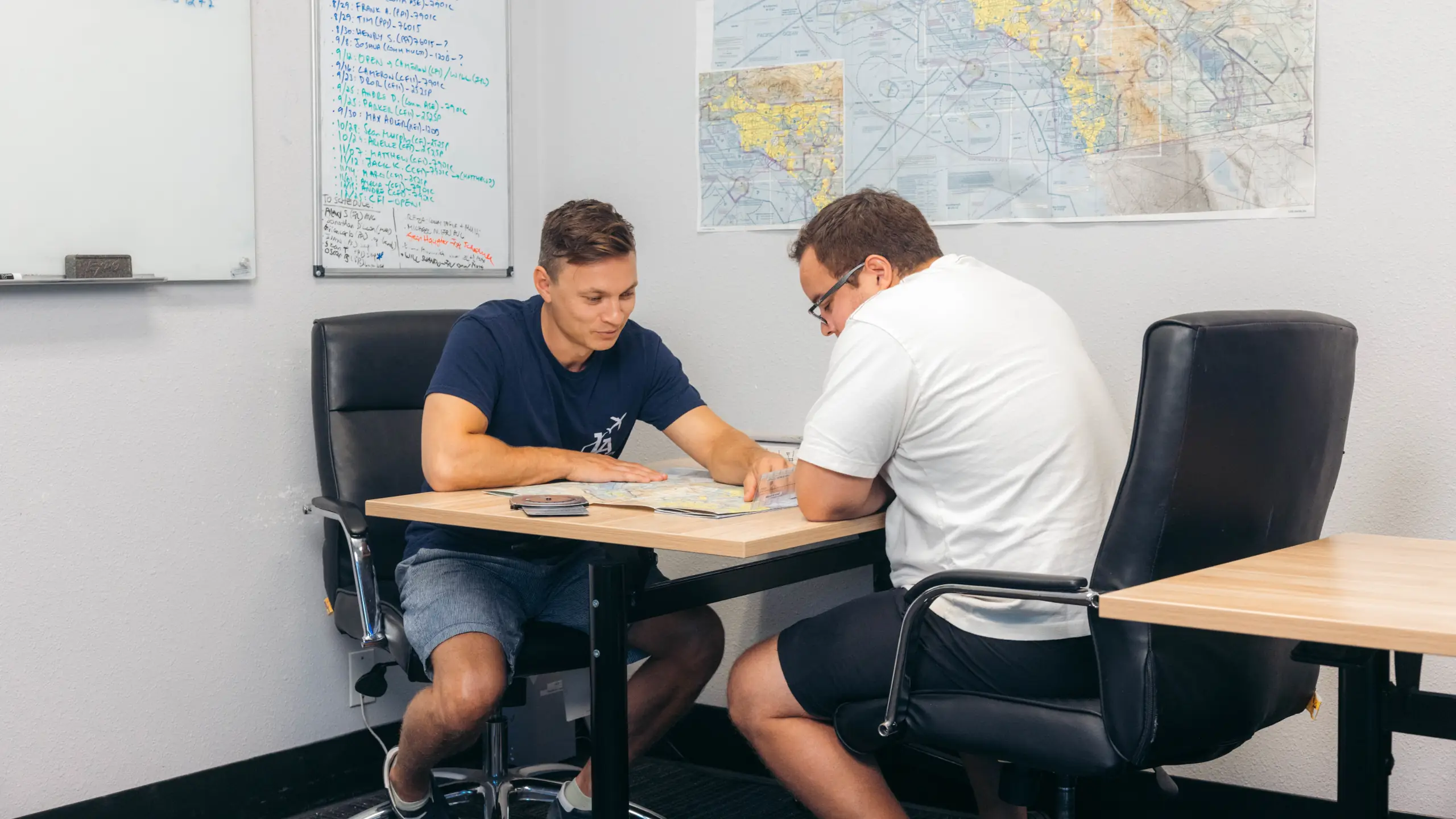
Your day begins by turning a broad goal into one clear lesson objective. You and your instructor might review a maneuver, discuss airport procedures, examine the weather, or walk through the decisions expected during the flight. A focused briefing gives you something more useful than “go fly”: it tells you what to notice and what successful practice should look like. Our Van Nuys training guide introduces the local airport environment behind that planning.
Preparation also gives you space to ask the questions that become harder to form once the cockpit gets busy. A good question on the ground can save confusion in the air. You might clarify a checklist item, rehearse a radio call, or explain what would cause the plan to change. That habit builds the judgment you will eventually use with less instructor prompting.
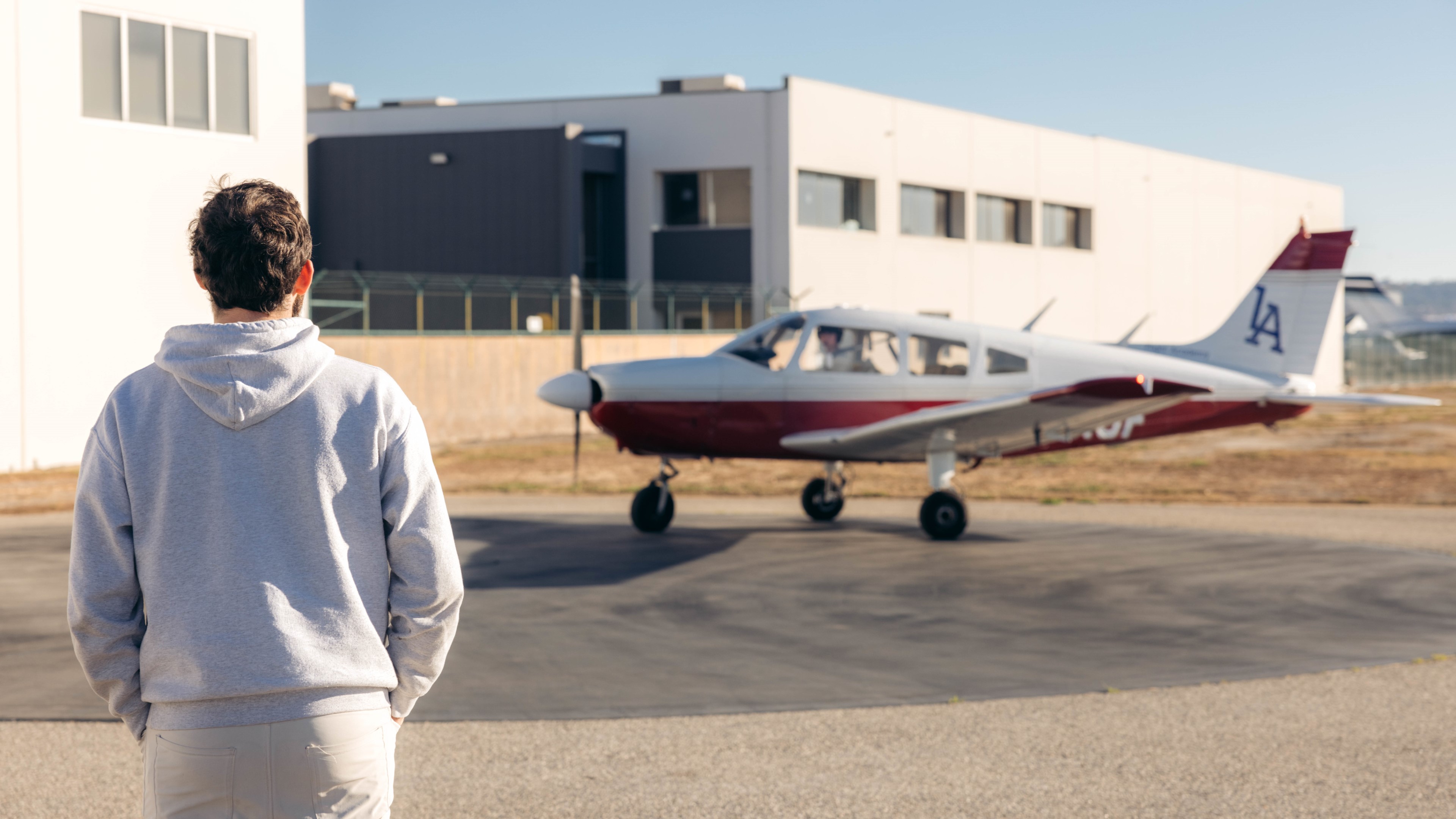
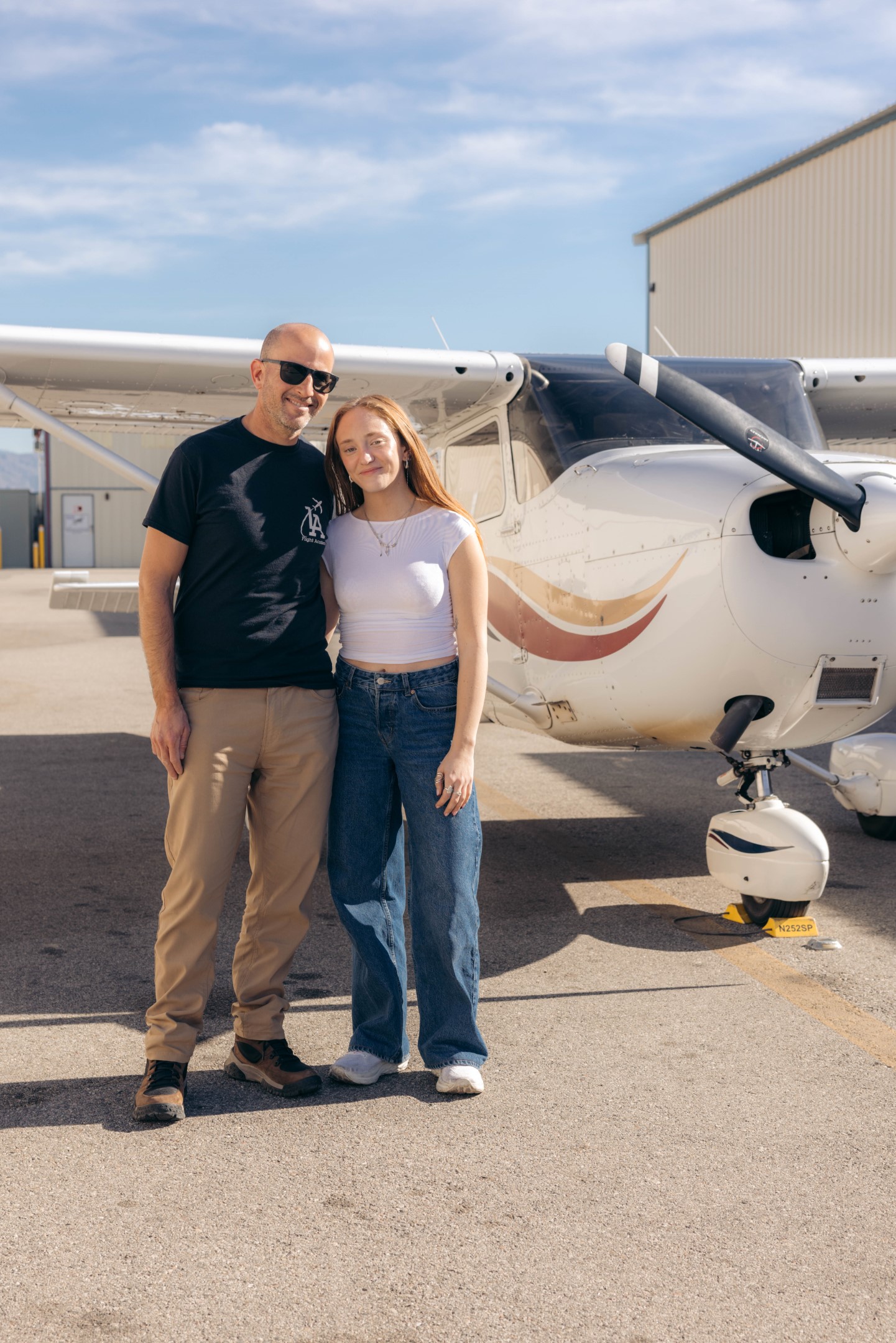
The walkaround brings the plan out to the ramp. With your instructor guiding the process, you inspect the aircraft and work through the appropriate checklist. Preflight is where disciplined habits become physical actions, from looking closely at aircraft surfaces to confirming that the airplane and conditions support the lesson. Students exploring a first experience can see how this sequence begins through a Discovery Flight.
Van Nuys makes communication part of the learning
Van Nuys Airport is a towered airport, so radio communication and air traffic control procedures are part of the operating environment. You listen for your call sign, form a concise response, and follow instructions while continuing to manage the airplane. Early in training, your instructor helps you prepare and stays ready to step in.
The value comes from repetition with purpose. A radio call that initially sounds fast becomes easier to organize when you know what information to expect. You learn to listen, anticipate, and confirm, skills that support better cockpit workload management. Towered-airport training is not universally superior to every other environment, but it gives students regular exposure to structured ATC communication. You can explore more local context in our guide to navigating Van Nuys Airport airspace.
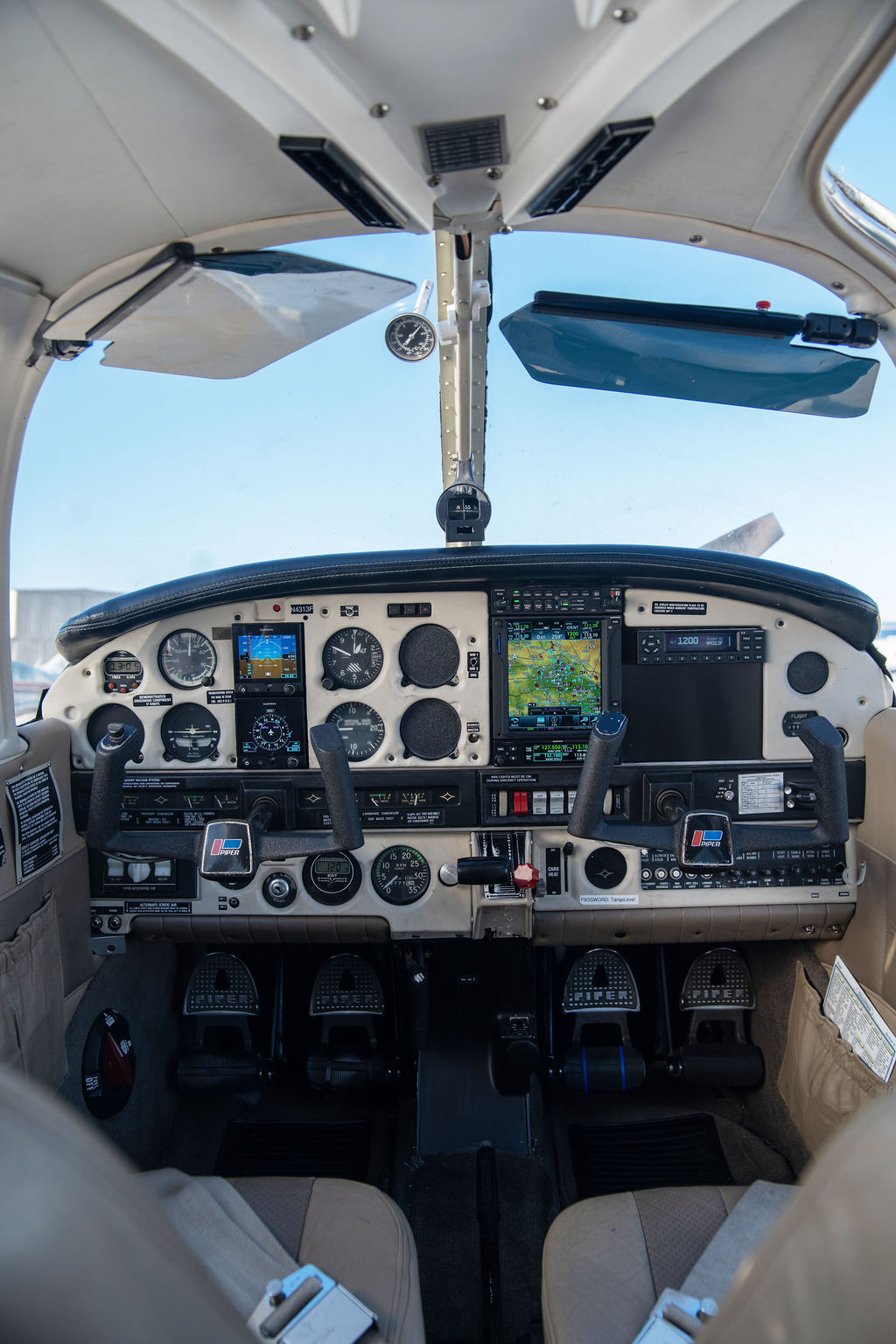
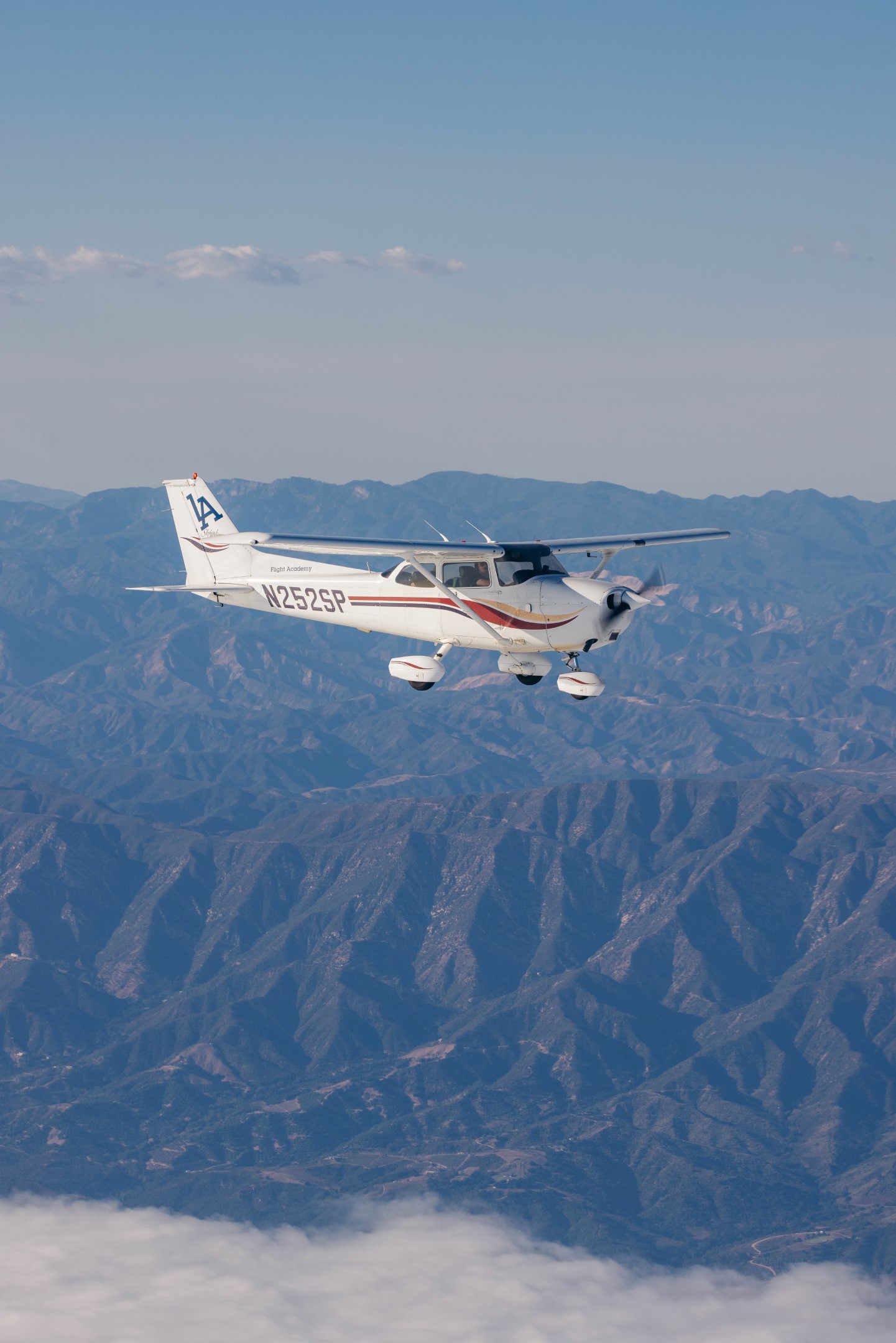
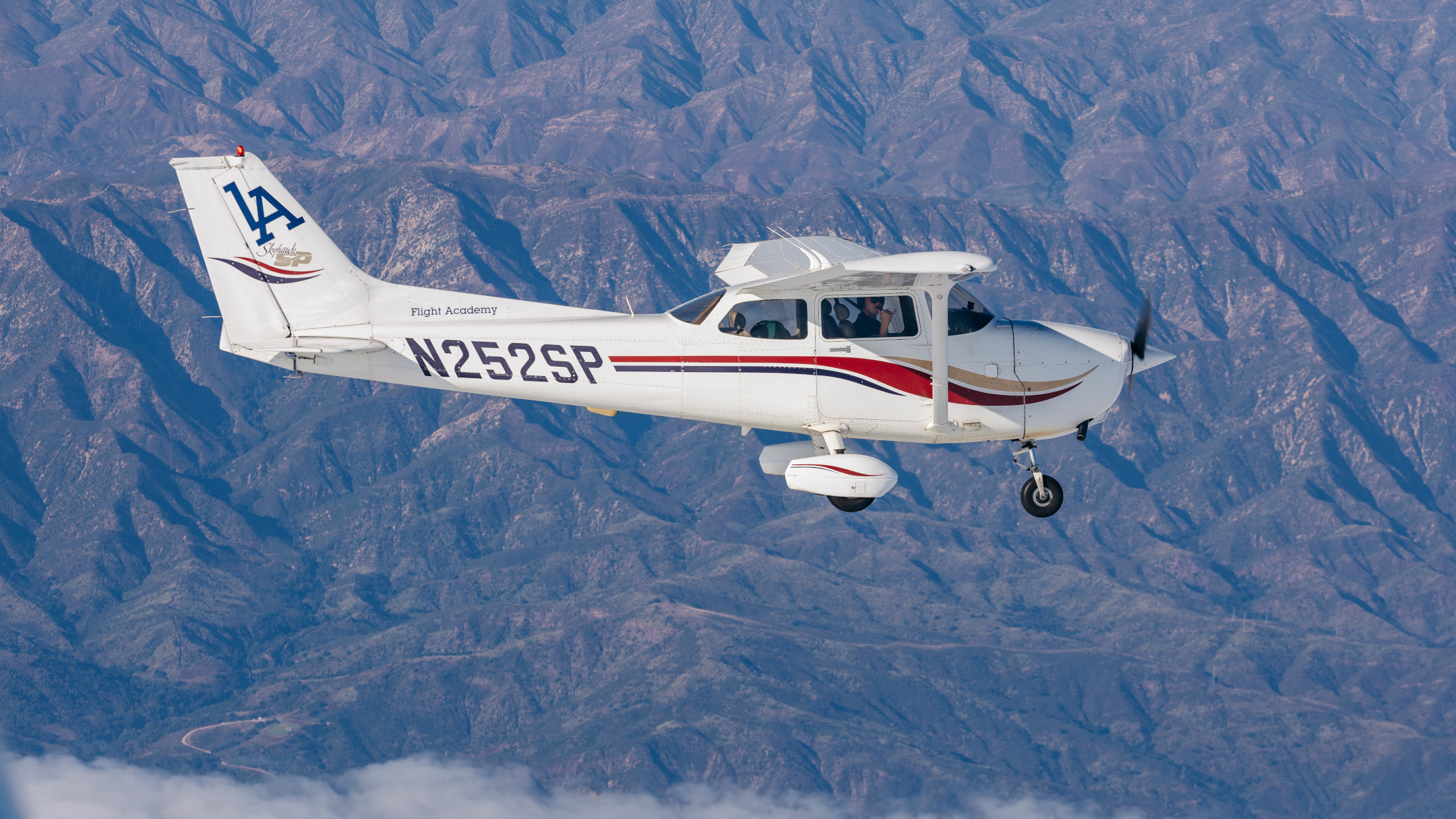
Once airborne, the lesson remains tied to the objective from the briefing. Your instructor may demonstrate, then give you room to practice while monitoring the flight. The aim is steady growth in your own awareness and decisions. For students working toward a first certificate, the Private Pilot course is where these individual lessons connect into a larger progression.
The debrief turns one flight into the next lesson
After shutdown, a productive day still has important work left. The debrief converts experience into a specific next step. Instead of settling for “that went well,” you and your instructor can identify what improved, where the workload increased, and which action deserves attention next time.
A useful debrief might leave you with one strength to repeat and one item to practice. That could mean chair flying a procedure, reviewing a knowledge topic, or rehearsing a radio exchange before the next booking. Specific feedback protects momentum because you know how to prepare rather than starting the next lesson cold. Our article on effective flight instruction explains what clear goals and actionable feedback should feel like.
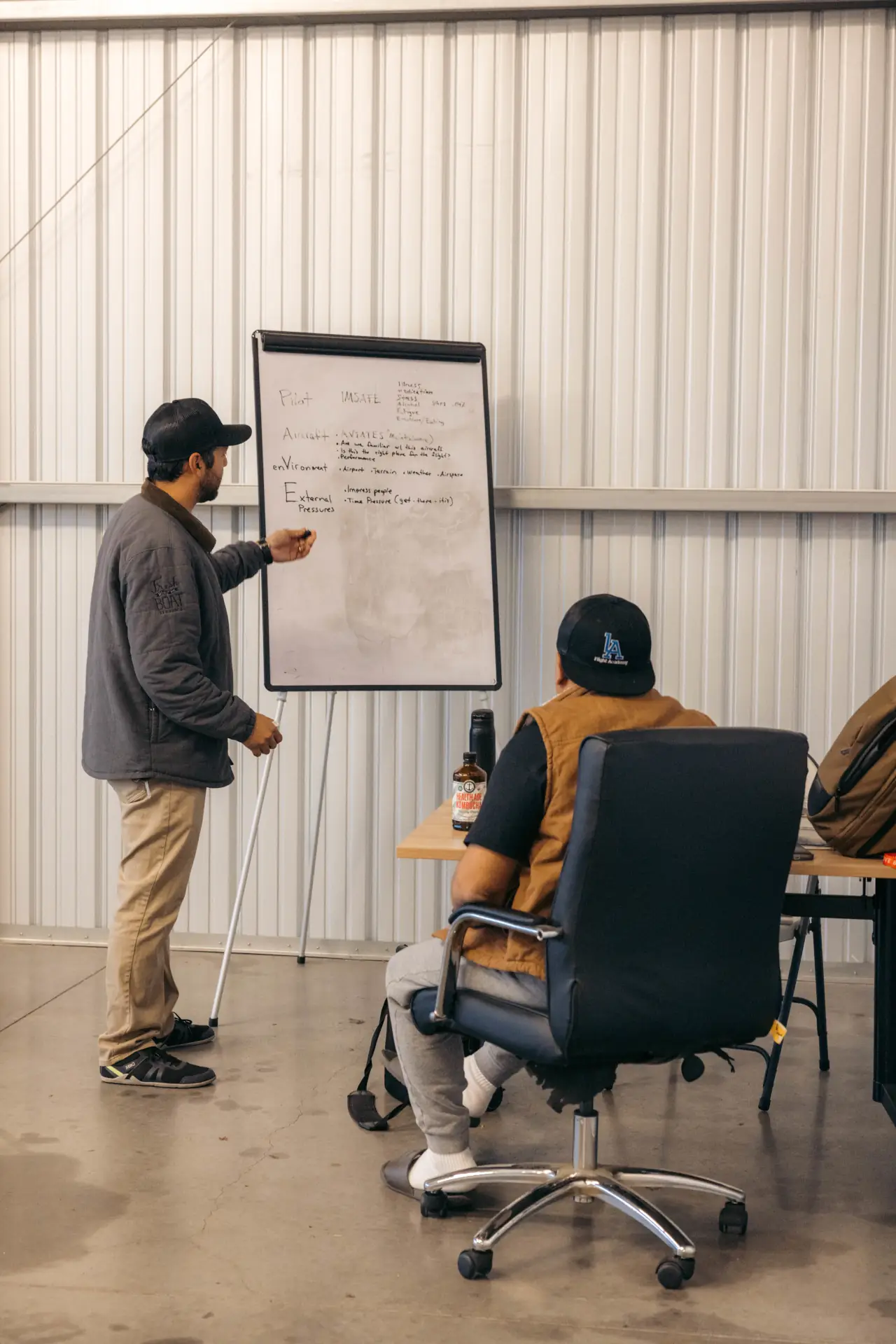
Write the next focus down while the lesson is fresh. A short note can turn several days between flights into useful preparation time. When you return, the new briefing can begin from a known point rather than spending valuable time reconstructing the last session.
The hours between flights shape your progress
A student day does not have to end when you leave the airport. Reviewing notes, studying assigned material, and mentally rehearsing procedures can make the next cockpit session more productive. Preparation between lessons helps you arrive ready to apply, although every student’s pace varies with proficiency, lesson frequency, weather, maintenance, and availability.
This is where a Part 61 flight school can support an individualized plan. At LA Flight Academy, we can talk through a rhythm that fits your goals and real-world commitments. Consistency should be sustainable, because an ambitious schedule that repeatedly falls apart is less useful than a plan you can maintain. Our program overview can help you compare the confirmed certificate and rating paths before choosing the next milestone.
Budget belongs in that plan too. Flight training costs can include aircraft and instructor time, ground instruction, study materials, testing, and examiner expenses. A realistic budget looks beyond one advertised hourly figure. Financing options may be available to qualified applicants, and a conversation about the complete training picture can help you decide what lesson frequency is practical.
What a sample student day can look like
The sequence below is representative rather than a fixed timetable. Your instructor shapes the day around the lesson objective and operating conditions, so some sessions will spend more time on the ground, in the airplane, or reviewing a specific skill.
Seen as a whole, inside a flying academy in Van Nuys, a student day is a cycle of preparation, practice, feedback, and focused study. Each stage gives the next one more purpose, which is why the time outside the airplane belongs in your training plan too.
| Stage | What you may work on | What you should carry forward |
|---|---|---|
| Briefing | Lesson goal, weather, procedures, and decisions | A clear picture of today’s purpose |
| Preflight | Aircraft inspection and checklist habits | A disciplined routine |
| Taxi and departure | Radio calls, instructions, and situational awareness | A manageable communication flow |
| Flight | Demonstration, guided practice, and decision-making | Specific experience tied to the objective |
| Debrief | Strengths, corrections, and next assignment | One practical focus for the next lesson |
You can begin taking lessons before you hold a student pilot certificate. The certificate is required before solo flight, and your training team can help you understand when that milestone becomes relevant. The FAA student pilot guidance provides the official starting point, while our beginner guide keeps the broader decision in everyday language.
Questions students ask before their first full training day
Do I need aviation experience before my first lesson?
No previous flight experience is required to begin lessons. Your instructor will introduce the aircraft, the plan, and the level of participation appropriate for that session. A Discovery Flight can be a practical first step if you want to experience the environment before discussing ongoing training.
Will every student day follow this exact order?
No. The sequence is a useful model, not a fixed itinerary. Lesson goals, weather, proficiency, aircraft availability, and instructor judgment can change how time is used. Our flight-training programs show why different stages call for different kinds of preparation and practice.
Is training at a towered airport too difficult for a beginner?
No. Students learn with instructor support, including help preparing for radio calls and airport procedures. The pace should build as your capacity grows. Read more about the local environment in our Van Nuys Airport flight-training guide.
How much time should I set aside?
Plan beyond the airborne portion of the lesson. Briefing, preflight, taxi, debrief, and study all contribute to training. Contact us to discuss current scheduling and availability through our enrollment page.
How can I keep training costs under control?
Prepare between lessons and ask for a complete estimate that separates aircraft, instruction, testing, supplies, and other likely expenses. Completion cost varies by student and operating factors. Review the current flight-training financing options as part of your planning.
See your own first day from the pilot’s seat
Reading about a student day can answer the process questions, but the clearest next step is experiencing the training environment yourself. You will see how the briefing, aircraft, airport, instructor communication, and debrief fit together in real time.
Book a Discovery Flight with LA Flight Academy and begin your first day at Van Nuys with a clear, guided introduction.