The Essence of Effective Flight Instruction

Published by:
Anthony N.
Published on:
Updated on:
Read time:
8 min read
The essence of effective flight instruction becomes clear before the airplane ever leaves the ramp. You should know what the lesson is meant to accomplish, what decisions you will practice, and how success will be measured. After the flight, you should leave with specific feedback and a clear next step.
That clarity protects two things every student values: confidence and momentum. Whether you are exploring aviation for the first time or comparing advanced training options, the quality of the instructor relationship shapes how well each hour turns into usable skill. If you are still learning how the overall path works, start with our beginner flight-training guide.
A prepared lesson gives every minute a purpose
An effective lesson begins with a briefing that sets one manageable objective. Instead of hearing only “today we will practice landings,” you should understand which part of the landing needs attention, what cues to watch, and what standard you are working toward. That shared plan helps you connect ground knowledge to what happens in the cockpit.
Preparation also makes it easier to use the right tool for the task. Some lessons belong in the airplane. Others benefit from ground discussion, chair flying, or simulator practice before the engine starts. Our pilot training program overview can help you see how individual lessons fit into a larger certificate or rating path.
You can test lesson preparation with a simple question: “What should I be able to do or explain by the end of today?” A strong answer gives you a target. It also gives the instructor a fair basis for the debrief rather than relying on a vague impression of how the flight went.
The student should be making more decisions over time
Flight instruction works when the instructor gradually moves you from watching to thinking, deciding, and acting. Early demonstrations are useful, but lasting skill develops when you begin identifying cues, choosing an action, and explaining why. The instructor remains ready to intervene while giving you enough space to build judgment.
That progression is especially visible in a busy operating environment. Training at a towered airport can provide regular practice with radio communication and air traffic control procedures, although no airport environment is universally better for every student or lesson. Our guide to flight training at Van Nuys Airport explains the local setting where those skills come into play.
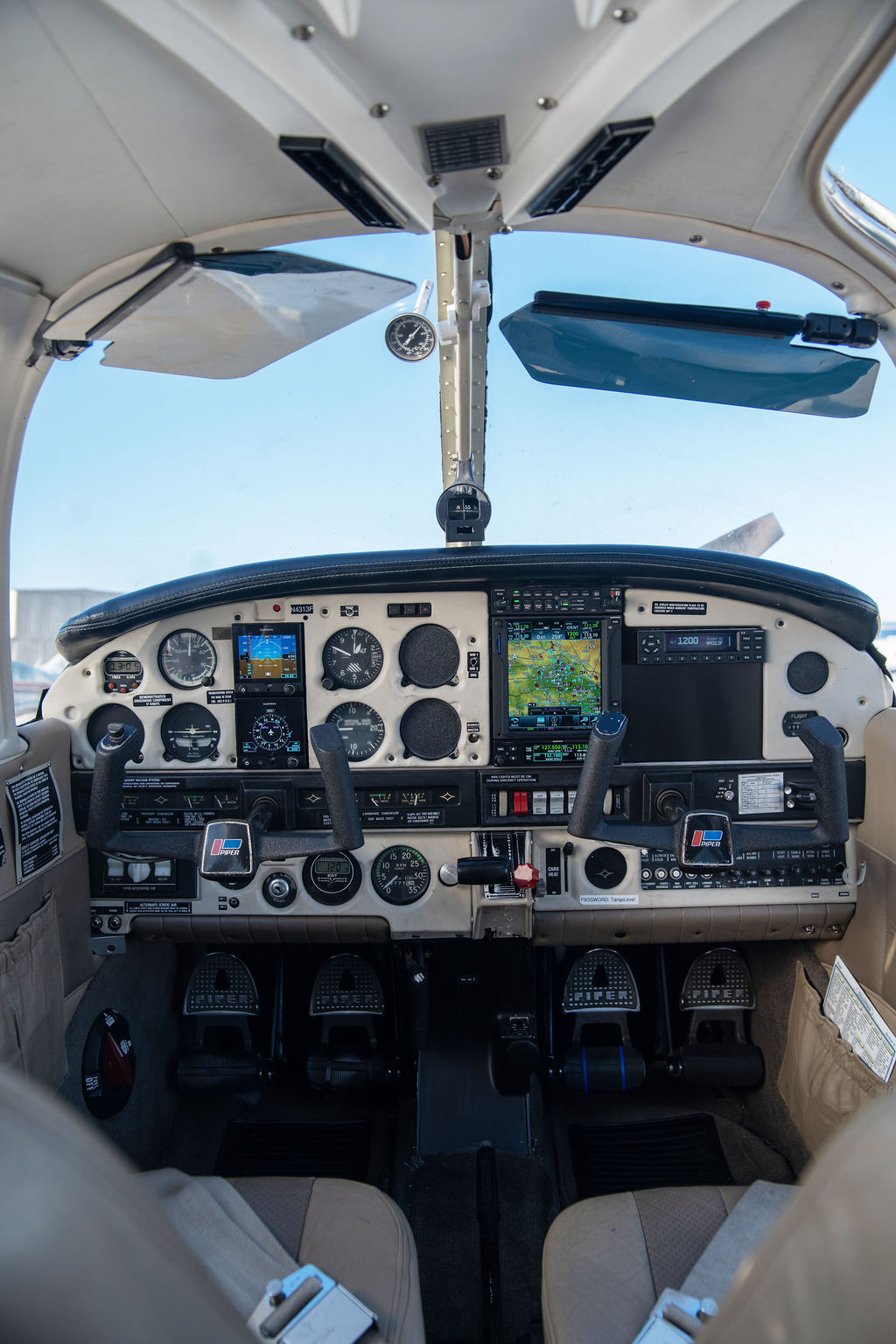
Look for an instructor who asks focused questions at useful moments. “What are you seeing?” and “What would make you change the plan?” encourage you to process the situation. A constant stream of commands may complete the maneuver, but it gives you less opportunity to build the thought process you will eventually need on your own.
Useful feedback is specific enough to guide the next attempt
“Good job” feels encouraging, but it does not tell you what to repeat. “You held the aiming point steady, then changed the pitch picture during the flare” gives you a result, a cause, and a place to focus. Effective feedback is timely, specific, and tied to the lesson objective.
Strong debriefs also separate a one-time mistake from a pattern. One imperfect radio call may need a quick correction. Repeated difficulty dividing attention may call for a different exercise or more ground preparation. If you want to see how we introduce the briefing, flight, and debrief rhythm, a Discovery Flight offers a practical first look.
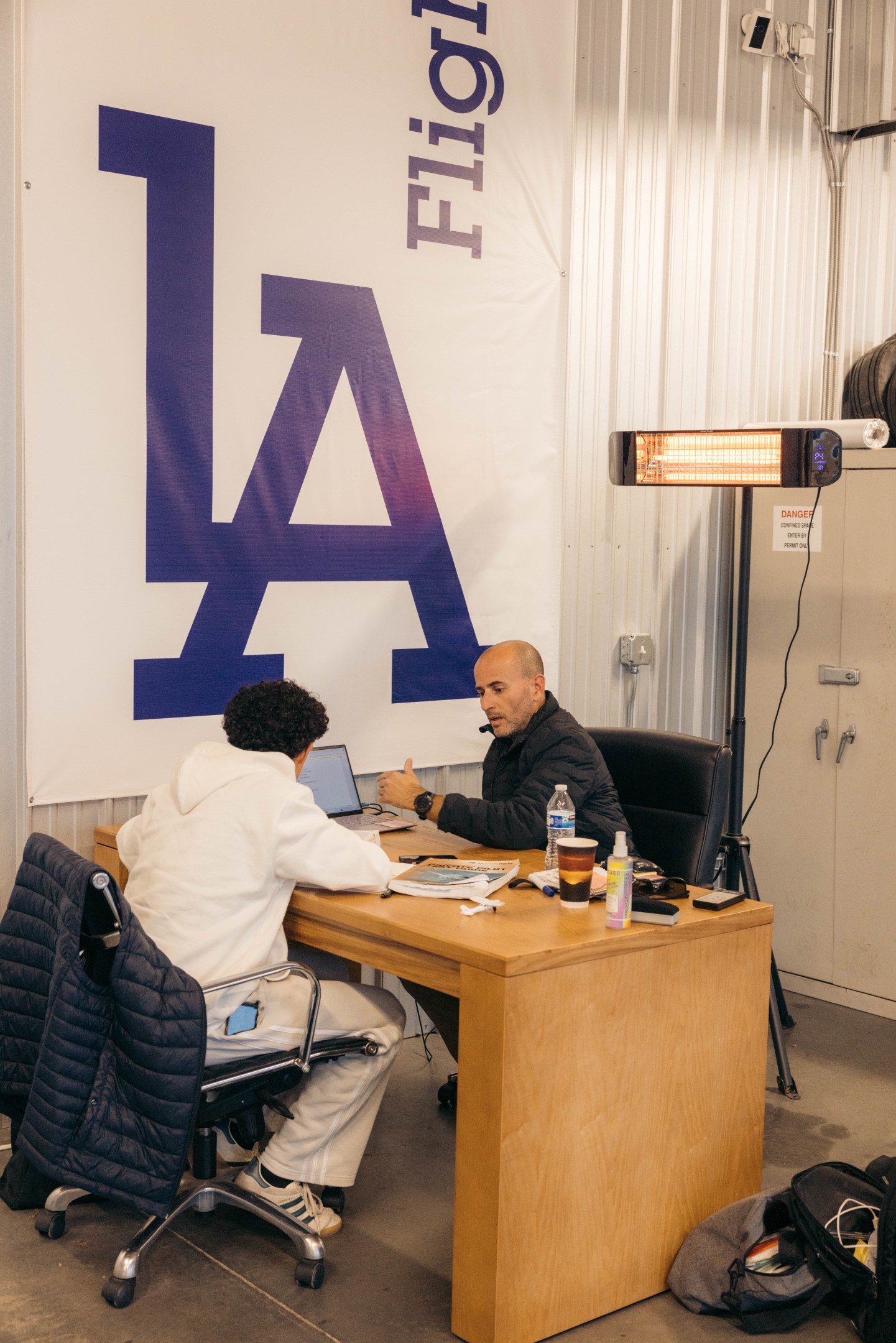
Your role in the debrief matters too. Bring one moment you felt confident about and one moment that felt rushed or unclear. That habit turns the conversation into a shared diagnosis and helps the instructor adjust the next lesson to what you actually experienced.
Continuity keeps training connected from one lesson to the next
Strong instruction should feel like one developing story, not a stack of unrelated flights. The next lesson should build on the last debrief, revisit weak areas at the right interval, and introduce new work without losing earlier skills. Clear notes and communication become especially important if more than one instructor participates in your training.
Your schedule plays a role in continuity. A sustainable training rhythm can reduce the amount of material you need to relearn, but total cost and completion pace vary with proficiency, lesson frequency, weather, maintenance, aircraft and instructor availability, and other operating conditions. Review current financing information before building a budget around any training schedule.
Consistency should never pressure you to fly when conditions, readiness, or a sound operational decision say otherwise. Effective instruction includes risk management and judgment, including the choice to change, delay, or cancel a plan. Progress comes from productive practice, not from forcing every scheduled lesson into the air.
Instructor fit should make honest communication easier
You will spend concentrated time with your instructor in a small, demanding classroom. A productive fit allows you to say “I do not understand that yet” without embarrassment. It also allows the instructor to challenge you directly while keeping the criticism focused on the skill or decision.
Communication style matters, but comfort alone is not the goal. You need someone who can explain a concept in more than one way, set clear expectations, and tell you when performance needs more work.
The essence of great flight training is a relationship in which standards stay clear and learning stays active. You should understand the goal, participate in the decisions, receive usable feedback, and know how the next lesson connects to the last one.
Questions that reveal how a lesson will really work
Before committing to a longer training plan, ask questions that invite specific explanations instead of sales language. These can help you understand the teaching process while keeping the conversation centered on your needs. Our new-student guide can give you more context before that conversation.
- How do you set the objective for each lesson?
Listen for a briefing process and a clear definition of progress. - What happens when I struggle with the same skill more than once?
Look for another explanation, a smaller step, or a different practice method. - How will I know what to prepare before the next flight?
Useful answers include specific reading, review, chair flying, or ground work. - How do instructors share progress when schedules require a change?
The answer should show how continuity is protected. - How do you balance my schedule with productive training frequency?
Expect a planning conversation, not a universal timeline.
Frequently asked questions about effective instruction
Should I stay with one flight instructor throughout training?
Instructor continuity helps preserve context and communication, while occasional input from another qualified instructor can provide a fresh perspective. While training under one instructor is usually best, the right arrangement depends on your needs, scheduling, and the school’s process. You can discuss your preferred approach when exploring our training programs.
How quickly should I expect to progress?
Progress varies with proficiency, preparation, lesson frequency, weather, scheduling, and the training objective. A good instructor explains your current performance and next milestone without promising a universal timeline.
What should happen during a post-flight debrief?
A useful debrief identifies what met the objective, what needs attention, and how to prepare for the next lesson. It should leave room for your questions and your account of what felt difficult. A Discovery Flight lets you experience an introductory version of that process.
Is a demanding airport always better for flight training?
No single airport is ideal for every lesson or student. A towered environment can build radio and ATC confidence, while other environments support different skills and operating experiences. Learn more about the Van Nuys training environment before deciding how it fits your goals.
Can good instruction lower the cost of learning to fly?
Clear preparation and a consistent rhythm tend to help you use lessons productively, but final cost and completion time depend on many variables. Ask for a current estimate, understand what it includes, and choose a schedule you can sustain. Start with our financing information as part of that planning.
Experience the briefing, flight, and debrief for yourself
The most useful evaluation happens when you can observe the interaction. During an introductory lesson, notice whether the objective is clear, whether you are invited into the decisions, and whether the feedback gives you a confident next step.
Book a Discovery Flight to experience the training environment at Van Nuys and begin your first conversation with an instructor.