Inside LA Flight Academy: What Right Rudder Saw at Van Nuys
Published by:
Anthony N.
Published on:
Updated on:
Read time:
8 min read
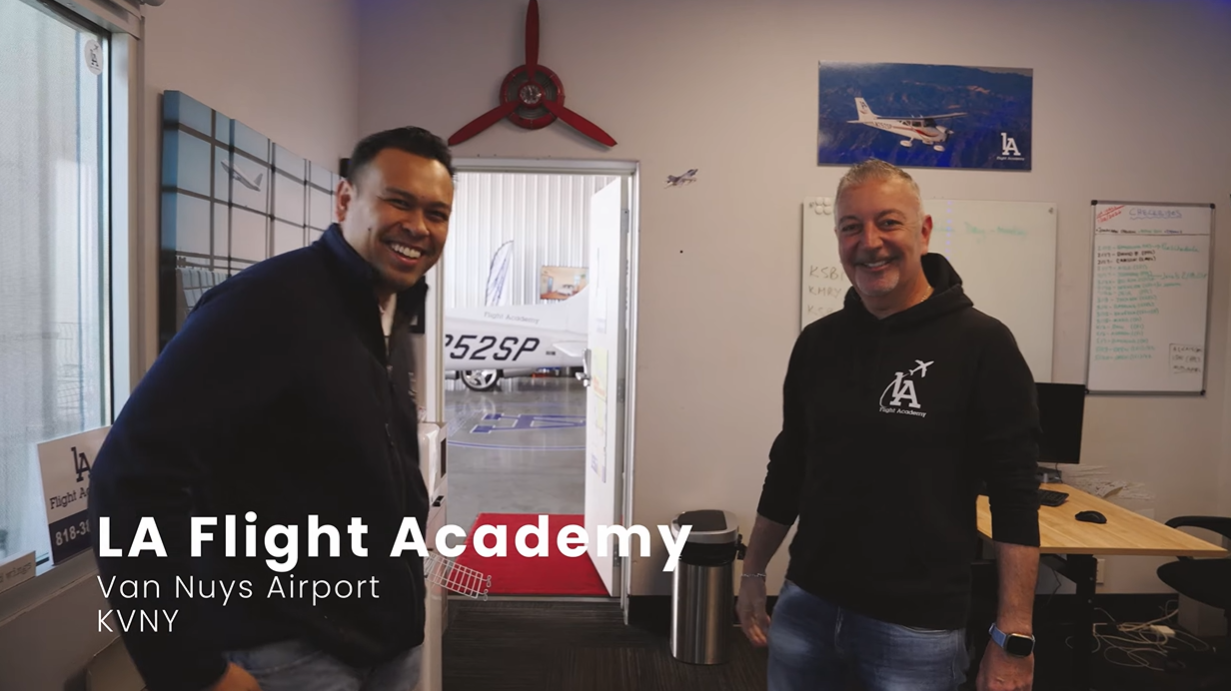
Right Rudder Marketing visited LA Flight Academy for its America’s Best Flight Schools series, and their recap captured something students feel here quickly: Van Nuys is not a quiet place to learn. It is busy, layered, and real.
That is exactly why the training matters.
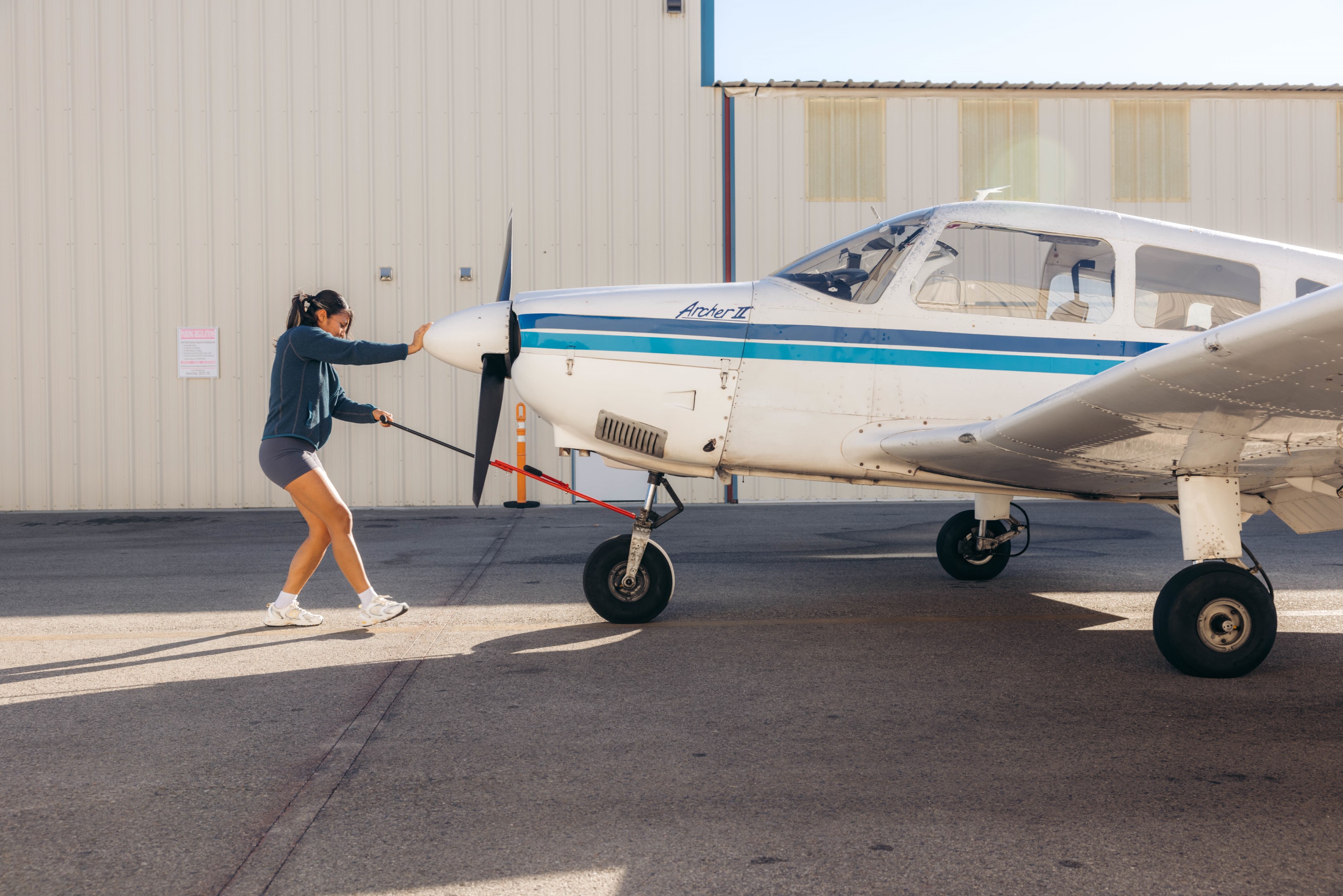
At LA Flight Academy, you are not learning to fly in a bubble and hoping the real world feels manageable later. You are learning at Van Nuys Airport, surrounded by active radio work, nearby airspace, professional traffic, and instructors who help you turn that pressure into better habits.
You can read the full source recap at Right Rudder Marketing’s full write-up about the visit, or watch the episode below before you read our breakdown.
Van Nuys Gives You Real Pressure With an Instructor Beside You
Van Nuys Airport is one of the busiest general aviation airports in the country. Right Rudder’s article points to the pace clearly: more than 1,200 takeoffs and landings each day. For a student pilot, that number is not there to scare you. It explains why training here builds a different kind of awareness.
You learn to listen before you speak. You learn to read back instructions clearly. You learn that taxiing, run-up, departure, traffic, and airspace all matter before the airplane even leaves the ground.
The Los Angeles basin adds another layer. LAX Class B airspace sits nearby. Burbank, Santa Monica, Whitman, and other fields are close enough to shape the way you plan and communicate. On many lessons, you are not only flying the airplane. You are building the habit of staying ahead of the next call, the next clearance, and the next decision.
That is the point. If your goal is to earn a Private Pilot Certificate and keep flying after the checkride, you need more than calm-day confidence. You need the kind of training that helps you feel composed when the airport gets busy.
Our Training Environment Is Busy, But It Is Not Random
A busy airport only helps if the training has structure. Without that, it is just noise.
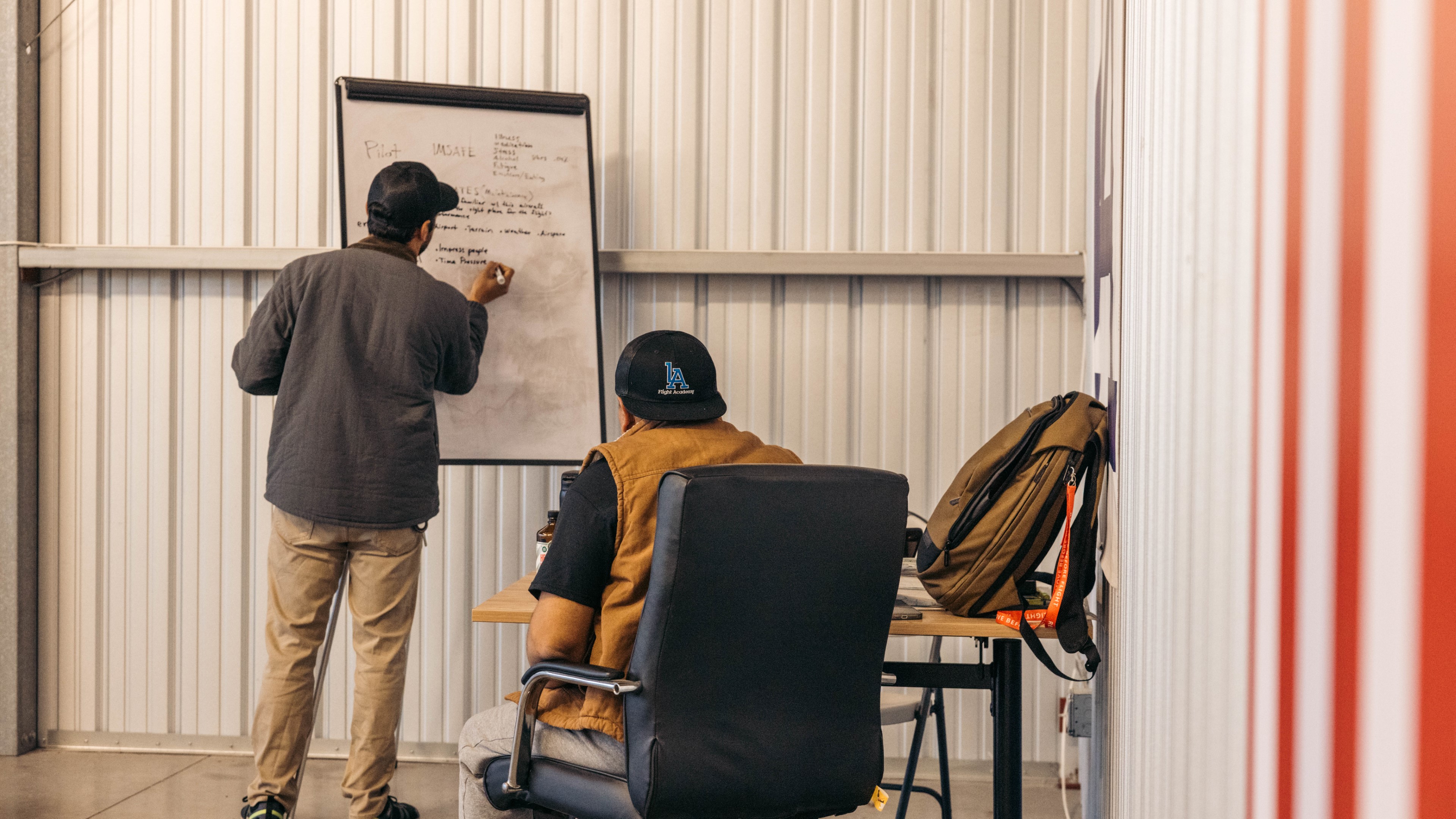
At LA Flight Academy, instructors introduce workload in a way students can absorb. Early lessons focus on fundamentals: aircraft control, checklists, radio flow, airport movement, and basic decision-making. As you improve, the environment gives you more to handle.
That steady exposure matters because confidence should be earned, not performed. You should know why you are making a call, why you are choosing a runway entry, why you are delaying a maneuver, and what you will do if the plan changes.
For many students, the first few flights at Van Nuys feel fast. Then the pattern starts to make sense. The radio becomes less intimidating. The airport layout becomes familiar. The pressure does not disappear, but your process gets stronger.
That is when training starts to feel different. You are not just memorizing steps for a test. You are becoming the kind of pilot who can think while the airplane is moving.
The School Started Small, And That Still Shapes How We Teach
Right Rudder asked Anthony how LA Flight Academy began. The short version is simple: it started with one airplane, a small hangar, and students who kept asking for more training.
That origin still matters because flight training is personal. You are trusting a school with your time, your budget, your learning curve, and your safety. You should feel like a student with a plan, not a number moving through a schedule.
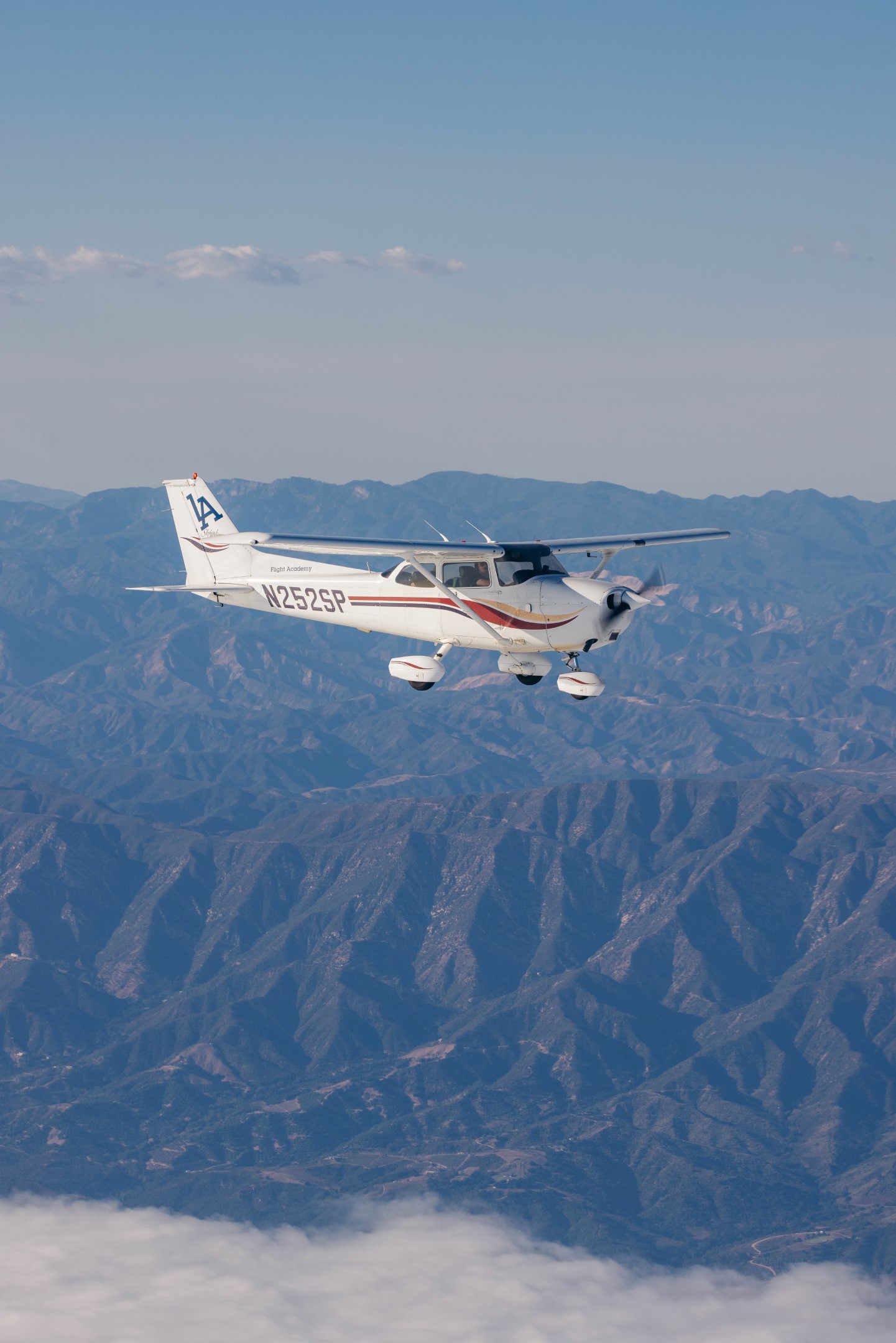
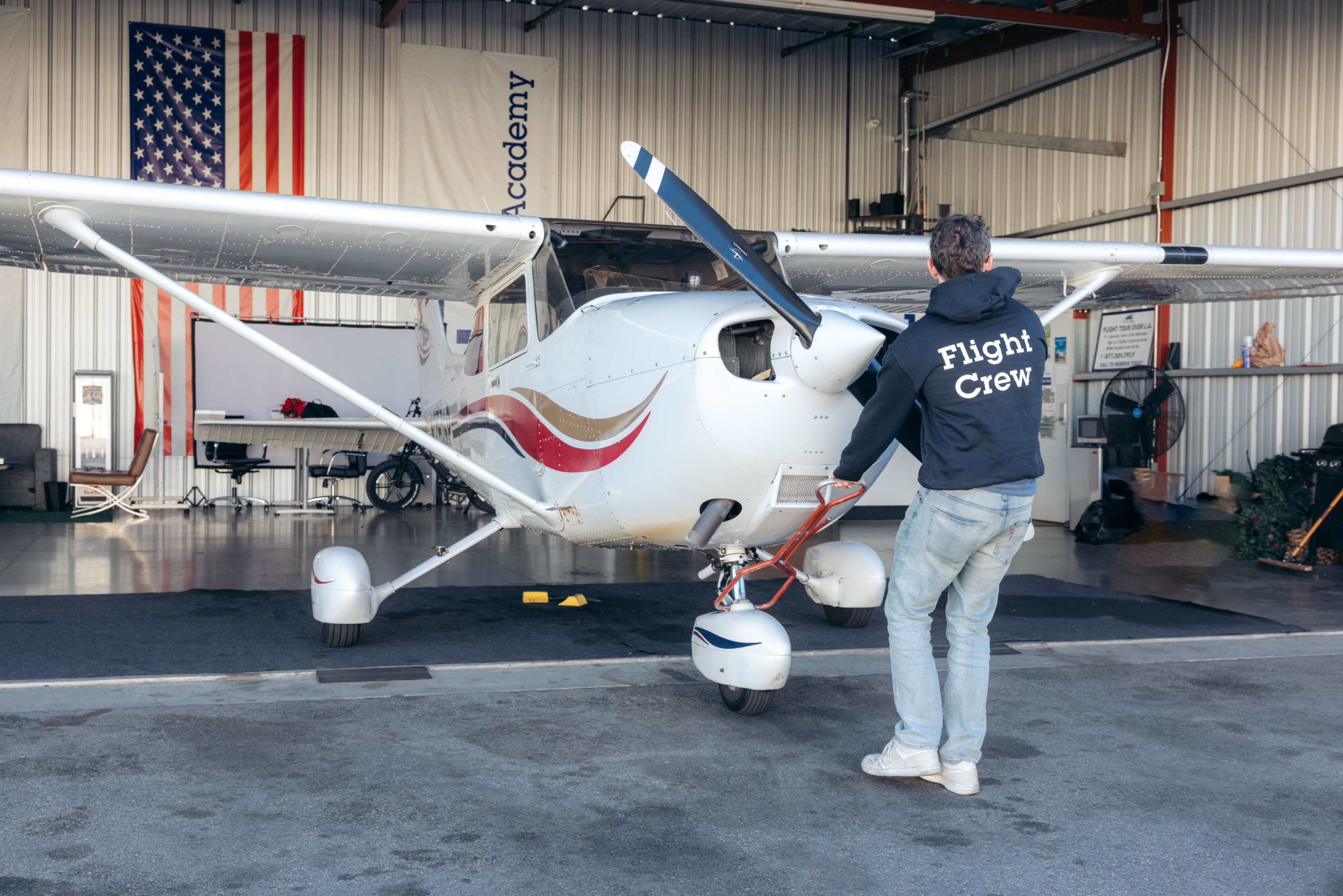
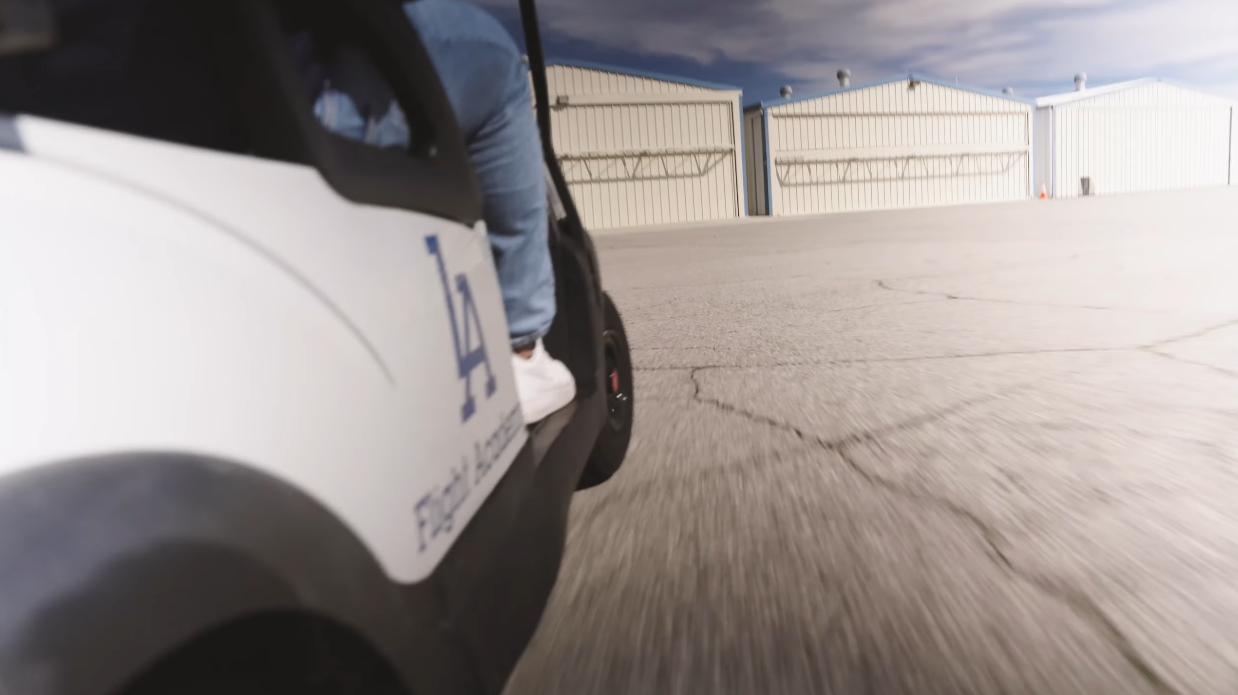
Today, LA Flight Academy operates from Prop Park at Van Nuys, a general aviation-focused area that keeps the training setting practical and focused. The fleet has grown to support different goals, from private pilot training to Instrument Rating, Commercial Pilot, Multi-Engine Rating, and instructor training.
The aircraft are tools, not trophies. A Cessna, Piper, Cirrus, Beechcraft twin, or simulator only matters if it helps you train for the next real step. That is why the first question is always practical: what are you trying to become ready for?
Safety Means Holding the Standard When It Would Be Easier Not To
In the episode, Anthony says the main focus is “safety and proficiency.” That is not branding language for us. It is the standard that decides whether a student is ready to move forward.
Flying is not about removing every risk. Aviation does not work that way. It is about learning how to see risk early, reduce it, and make the next safe decision before the situation gets ahead of you.
That shows up in ordinary training moments:
- You brief the flight before you go.
- You use checklists even when the lesson feels familiar.
- You talk through weather, airspace, aircraft status, and personal readiness.
- You practice abnormal procedures before you ever need them.
- You repeat lessons when the standard is not there yet.
This can feel demanding, especially when you want to move fast. But a certificate without real judgment does not help you much after training. The goal is not to rush you into a checkride. The goal is to help you become a pilot who can keep learning safely after the checkride.
The Simulator Helps You Practice Judgment Before the Airplane Gets Busy
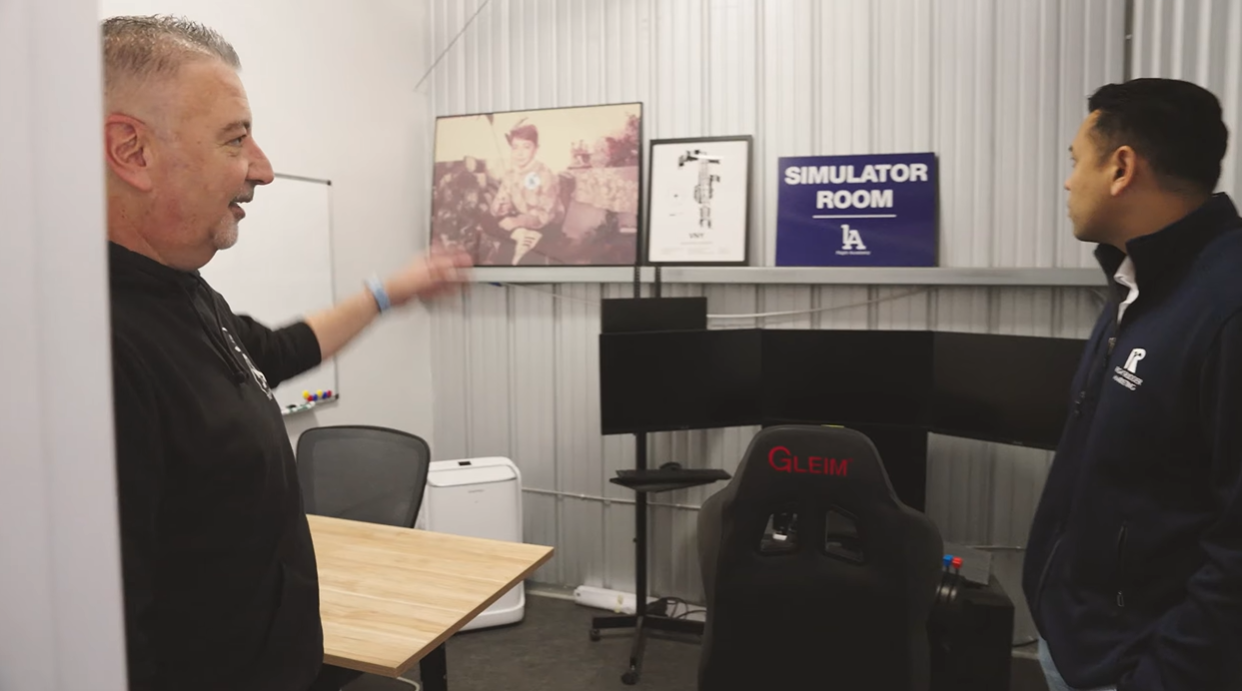
One of the best parts of the Right Rudder visit was the look inside our simulator training.
Emergency practice in an airplane has limits, as it should. In the simulator, your instructor can pause the scenario, reset it, and run it again. That gives you time to see your own thinking. Did you identify the problem? Did you use the checklist? Did you protect aircraft control first? Did you choose the safest next action?
The Gleim BATD flight simulator is not just cheaper time. Used well, it is a place to slow down hard situations so you can build cleaner habits before the cockpit workload increases.
That helps students working on private pilot skills, instrument procedures, IFR currency, and emergency decision-making. It also gives instructors a clear way to coach the part of flying that matters most under pressure: how you think.
Students Stay Connected Because Aviation Can Grow With You
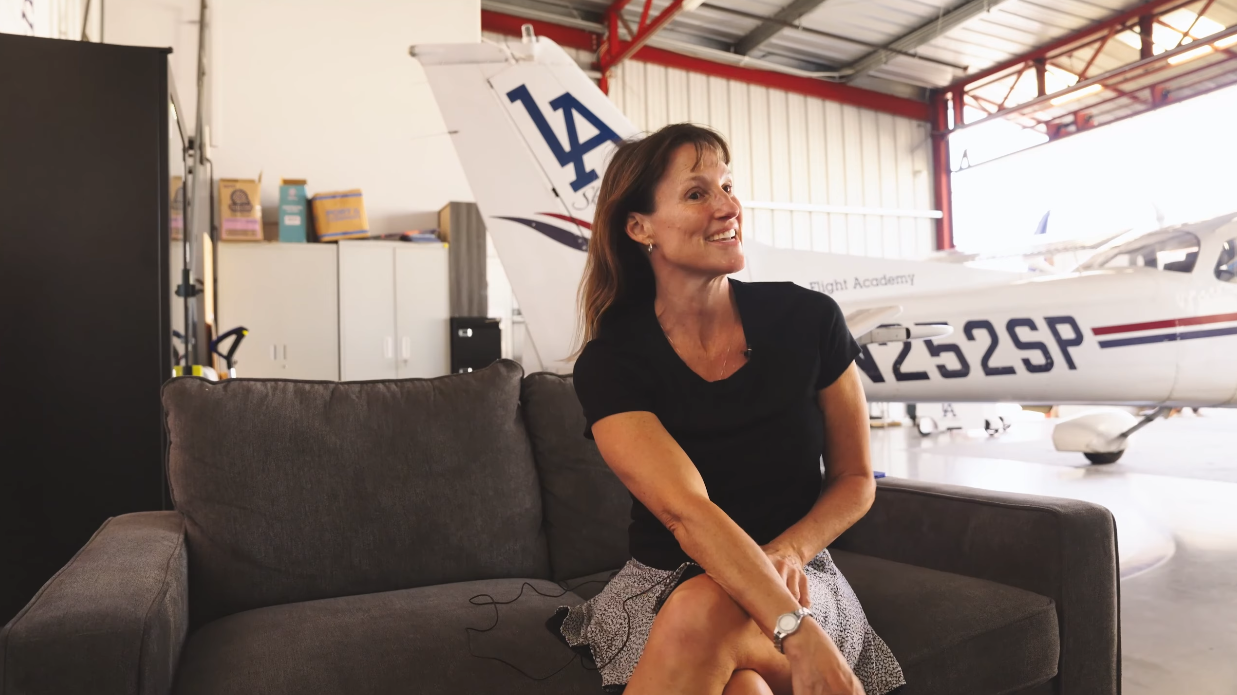
Right Rudder also shared Vanessa’s story. She trained at LA Flight Academy, earned advanced ratings including multi-engine, and later leased her own Cessna, Penny, back to the school while continuing toward her Certified Flight Instructor certificate.
That story is not a sales pitch for aircraft ownership. Most students should not start there. Ownership and leasebacks involve maintenance, insurance, utilization, taxes, and a serious written agreement.
The real point is trust.
Students do not usually build that kind of long-term connection with a school unless the training environment feels solid. For some students, the path starts with a Discovery Flight and ends with a private pilot certificate. For others, it grows into instrument training, commercial training, multi-engine work, instructing, or aircraft ownership.
Your path does not have to look like anyone else’s. It just needs a clear next step.
What You Should Expect If You Train Here
LA Flight Academy is not built around the easiest possible training environment. Van Nuys asks more of you. The radio is active. The airspace is layered. The standard is high.
That is the trade-off.
If you want the quietest path, this may not feel like the right fit. If you want to become comfortable in real airspace with instructors who expect strong habits, Van Nuys can be a serious advantage.
Here is what that means in practical terms:
| If you care about… | What training here helps you build |
|---|---|
| Radio confidence | Frequent exposure to ground, tower, and approach communication |
| Real-world awareness | Practice around busy traffic, nearby airspace, and changing workload |
| Safety habits | Repeated planning, briefing, checklist use, and risk decisions |
| Cost control | Better questions about aircraft choice, simulator use, lesson frequency, and delays |
| Long-term growth | A path from private pilot training into advanced ratings and instructor training |
The right question is not only, “Can I get a certificate here?” The better question is, “Will this training help me fly better after I get it?”
FAQ
Is Van Nuys too busy for a student pilot?
Not when the training is structured. Van Nuys can feel fast at first, but students are introduced to the airport, radio work, and airspace step by step. The busy environment becomes useful because it teaches habits you will need outside of training.
What aircraft does LA Flight Academy use?
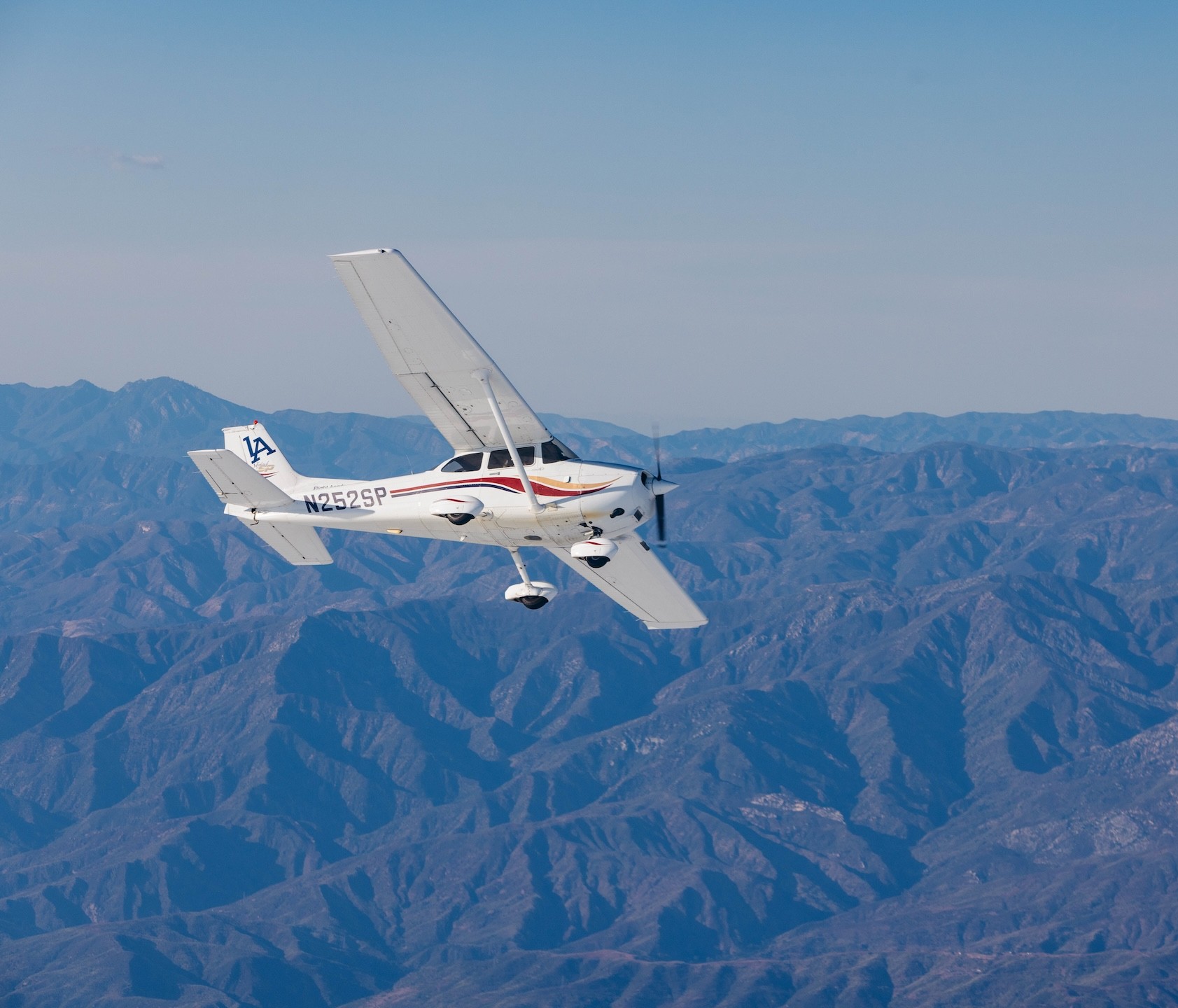
LA Flight Academy’s fleet includes Cessna, Piper, Cirrus, and Beechcraft aircraft, along with the Gleim BATD simulator. The best aircraft for you depends on your certificate, rating, proficiency, budget, and instructor recommendation. You can review the current fleet page before you enroll.
Can I train for advanced ratings at LA Flight Academy?
Yes. LA Flight Academy supports training beyond the private pilot stage, including instrument, commercial, multi-engine, CFI, and advanced proficiency work. The right next step depends on your current certificate, recent experience, and aviation goal.
How long does it take to earn a Private Pilot Certificate?
The FAA minimum is 40 flight hours, but many students need more than the minimum. A realistic timeline depends on how often you fly, how prepared you are for each lesson, weather, aircraft availability, instructor availability, and checkride scheduling. Consistent training is usually the biggest factor you can control.
What is the first step if I am new to flying?
Start with a Discovery Flight. You will see the aircraft, meet the training environment, and get a first look at Van Nuys from the student side before you commit to a full program.
Ready to See Van Nuys From the Left Seat?
Right Rudder’s visit showed the part of LA Flight Academy we care about most: real training, in real airspace, with a standard that prepares you for more than one good day in the airplane.
If that is the kind of pilot you want to become, start with a Discovery Flight and see whether LA Flight Academy is the right place for your next step.