Is There a Written Exam for a Multi-Engine Rating in 2026?
Published by:
Anthony N.
Published on:
Read time:
5 min read
For many pilots, transitioning to a multi-engine aircraft is one of the most exciting phases of flight training. Moving from a single-engine cockpit to a twin-engine aircraft introduces new performance levels, advanced systems, and the thrill of managing twice the power.
However, because pilot milestones like the Private, Instrument, and Commercial certificates each require passing a computerized FAA written test, many candidates anticipate another round of exam-prep software and testing center fees. It is common to wonder: is there a written test for multi engine rating add-ons?
The short answer is no. Earning a multi-engine class rating does not require an FAA computerized knowledge test. However, that does not mean you can skip the books.
Here is the truth about FAA requirements for adding a multi-engine class rating to your certificate, what you must study for the oral exam, and how to complete your training efficiently in 2026.
The Regulatory Reality: Class Rating Add-Ons
Under 14 CFR Part 61.63(c), when a pilot adds an additional aircraft class rating (such as Airplane Multi-Engine Land) to an existing pilot certificate (like Private or Commercial), no additional FAA written test is required.
Because you have already demonstrated aeronautical knowledge on the parent certificate, the FAA focuses instead on the practical skills and systems management required to fly twin-engine aircraft safely.
To earn your multi-engine rating, you must:
- Receive ground and flight instruction from an authorized Multi-Engine Instructor (MEI) in a multi-engine aircraft.
- Acquire a logbook endorsement from your instructor certifying that you have demonstrated proficiency in the required areas of operation.
- Pass the FAA Practical Test, commonly known as the checkride, with a Designated Pilot Examiner (DPE).
While the lack of a written test reduces testing-center anxiety, you must still master multi-engine theory. The checkride includes a rigorous oral evaluation that verifies your ground knowledge before you take to the skies.
What is Evaluated During the Oral Exam
The DPE checkride begins on the ground with an oral examination covering aircraft systems and multi-engine aerodynamics. Because twin-engine flight introduces the risk of asymmetric thrust if an engine fails, you must demonstrate a deep understanding of flight dynamics and emergency procedures.
The oral test will evaluate your knowledge in the following areas:
- Asymmetric Thrust Aerodynamics: You must explain concepts like critical engine identification (the engine that, if failed, would most adversely affect aircraft control), factors that determine Vmc (minimum control speed with the critical engine inoperative), and how to maintain directional control.
- Twin-Engine Systems: DPEs expect a thorough description of constant-speed, full-feathering propellers, nitrogen-charged governors, landing gear extension/retraction mechanisms, and fuel crossfeed configurations.
- Performance and Limitations: You will calculate weight and balance, single-engine climb gradients, and accelerate-stop/accelerate-go distances.
Structured ground school prep and reviewing our multi-engine oral exam guide are critical to passing this portion of the checkride on your first attempt.
The Flight Test: Demonstrating Practical Proficiency
Once you pass the oral exam, you will proceed to the flight test. The examiner will evaluate your ability to handle the aircraft in normal, utility, and emergency flight envelopes.
The flight check will focus heavily on single-engine operations. The examiner will simulate an engine failure in various flight phases, requiring you to perform the checklist procedures quickly and maintain control. You must demonstrate:
- Proper directional control and bank angles to minimize drag.
- Identifying, verifying, and feathering the inoperative engine.
- Managing asymmetric thrust during simulated single-engine instrument approaches.
- Understanding Vmc characteristics through in-flight demonstrations.
Accelerated Training Options at Van Nuys
Because a multi-engine rating does not require a written test, training can progress rapidly. We offer a structured, accelerated multi-engine rating program that can be completed in as little as 1.5 weeks for pilots with dedicated schedules.
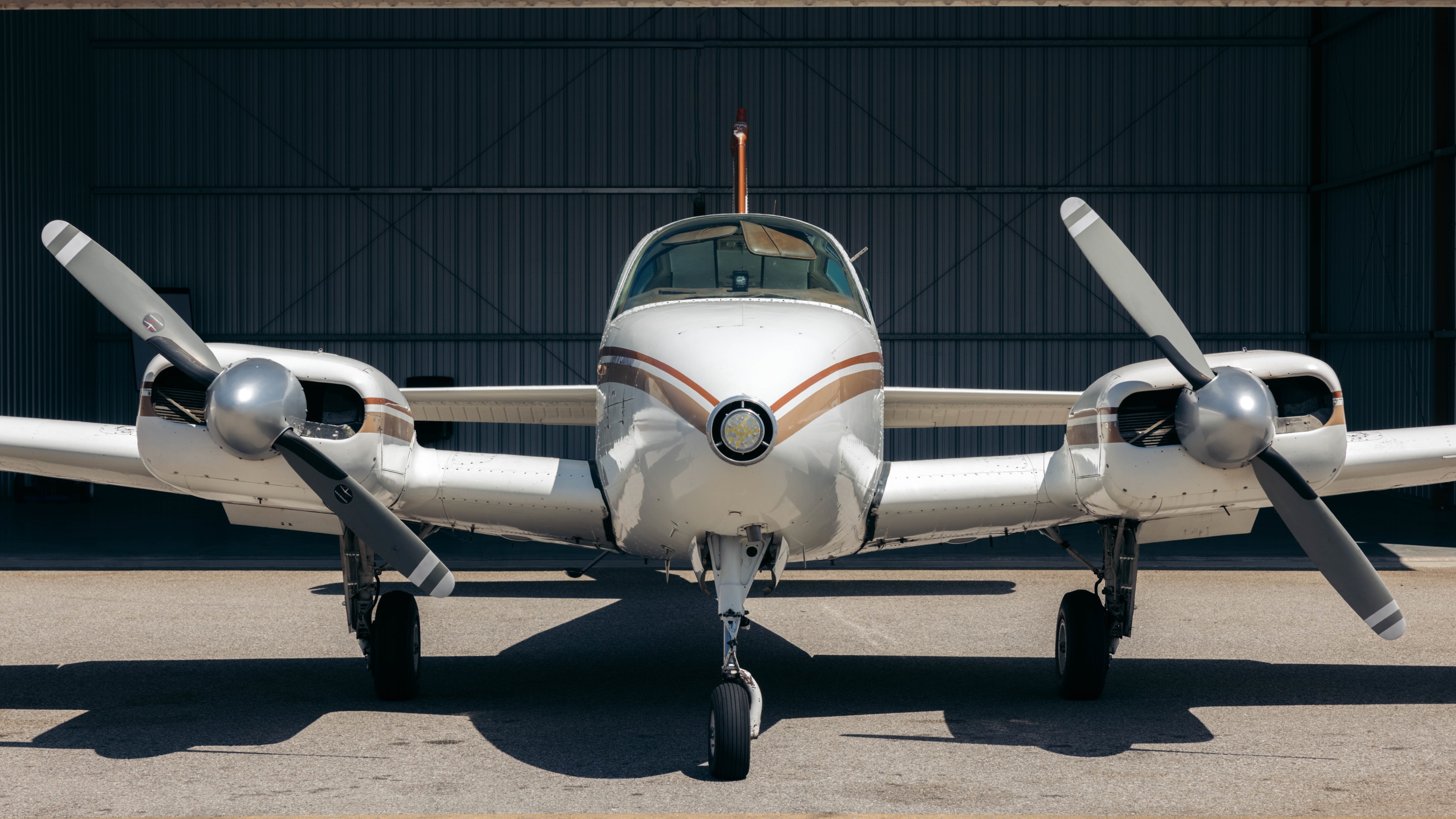
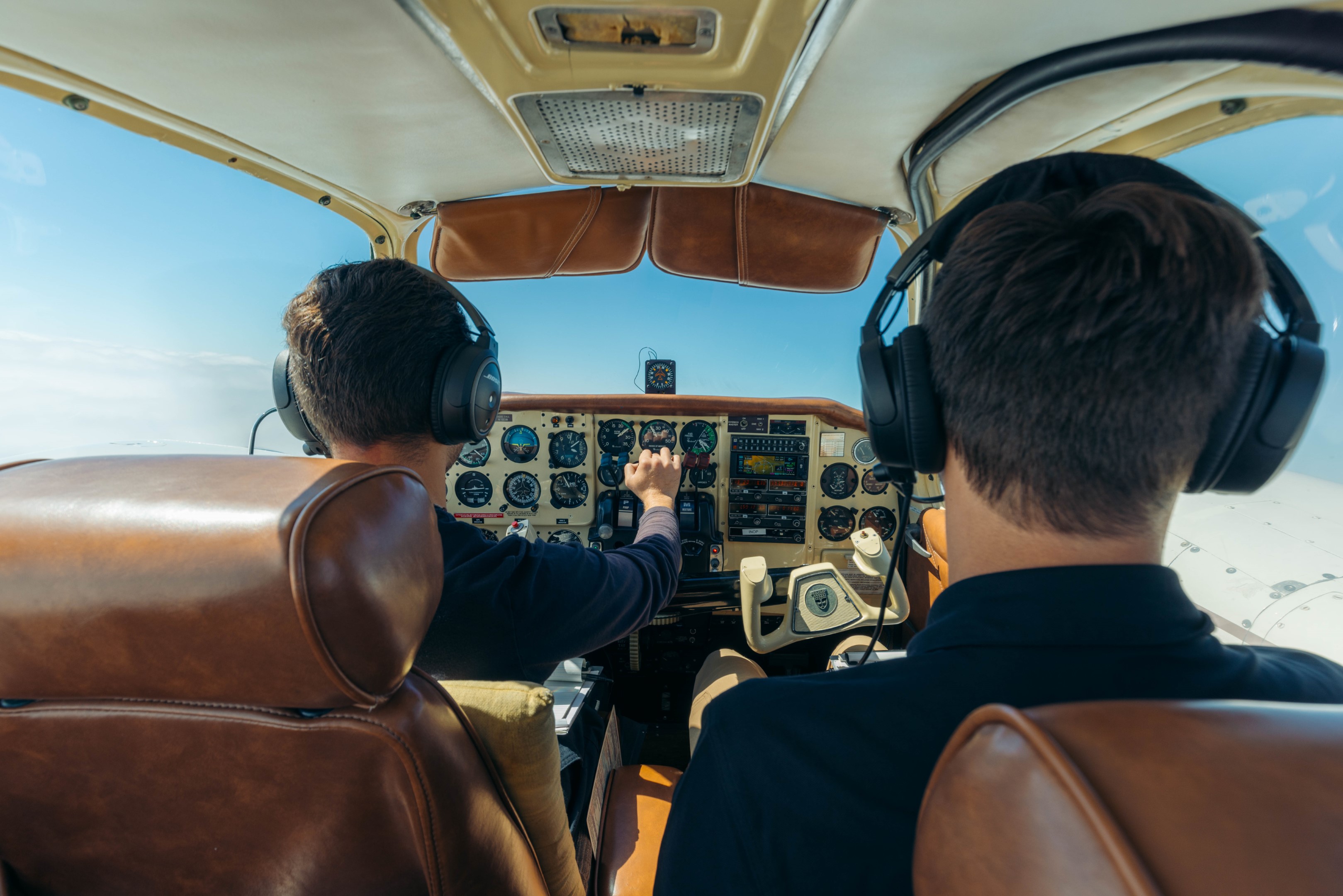
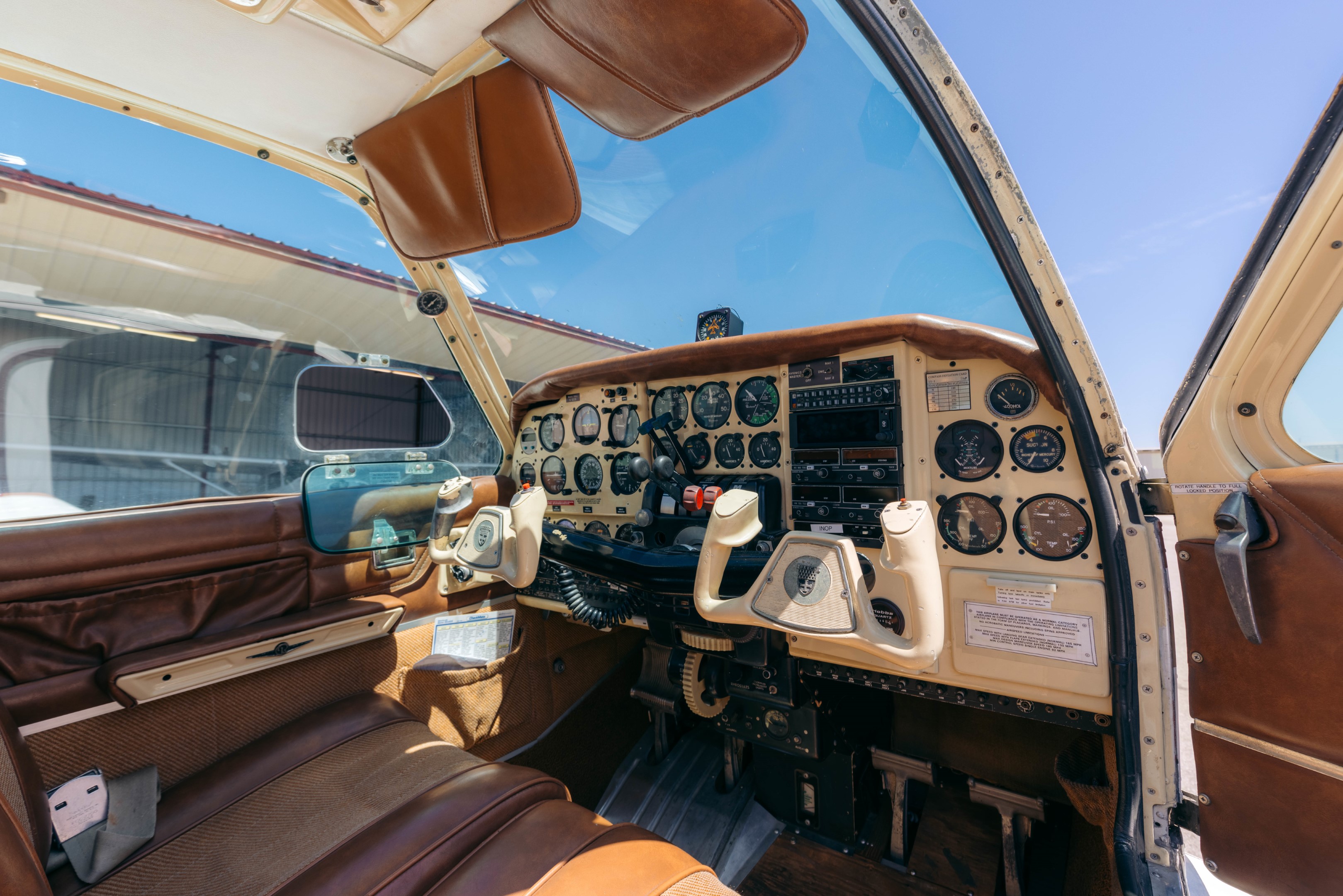
We conduct training in our 1962 Beechcraft Twin Engine (tail number N120B), featuring 2x 260 HP fuel-injected engines. This aircraft is an ideal platform because it meets both complex and high-performance requirements, allowing you to earn these endorsements concurrently during your multi-engine training.
We offer competitive rental rates for this twin-engine powerhouse:
- Hourly Wet Rate: $390 / hour
- 10-Hour Block Package: $360 / hour (wet)
Financing Your Advanced Rating
Earning advanced ratings is a significant step toward career pilot opportunities, but it requires careful financial planning. Pre-purchasing block hours or selecting an accelerated program helps reduce overall training costs.
To help pilots finance their multi-engine ratings and reach the commercial airlines faster, flexible financing options are available to qualified applicants through our lending partners, including Stratus Financial and Flight Training Finance. This funding allows you to cover aircraft rentals and instructor hours while maintaining a consistent training timeline.
Start Your Multi-Engine Training
Ready to add the multi-engine rating to your certificate? Skip the written test center and start your flight lessons at VNY. Whether you are building hours for a commercial career or expanding your personal piloting capabilities, our experienced MEIs are ready to get you cleared.
Contact us today to schedule your multi-engine rating training consultation and book your first lesson in the Beechcraft Twin Engine.