Advanced Flight Training in Van Nuys 2026 Guide
Published by:
Anthony N.
Published on:
Updated on:
Read time:
8 min read
Advanced flight training in Van Nuys is for pilots who already know the basics and want the next layer of skill. That may mean learning more demanding aircraft systems, adding a multi-engine rating, preparing for a flight review, completing an Instrument Proficiency Check, or building the habits needed for commercial, instructor, charter, or corporate flying goals.
At LA Flight Academy, advanced training is built for licensed pilots who want a clear next step. The right choice depends on what you need most right now: a rating, an endorsement, a proficiency check, or focused training in a specific risk area.
This guide explains what each advanced training option means in plain English, when it makes sense, and what to ask before you schedule.
What Counts as Advanced Flight Training?
Advanced training is any training that moves you beyond the first certificate stage. It is usually more focused than primary training. Instead of learning the basics of takeoffs, landings, radio calls, and maneuvers, you work on a specific capability.
At LA Flight Academy, the Advanced Training program covers:
| Training option | What it helps you build | Good fit for |
|---|---|---|
| Complex aircraft training | Systems management, aircraft-specific procedures, gear and propeller workflow | Pilots preparing for more advanced aircraft |
| High-performance training | Handling and procedures in more powerful aircraft | Pilots transitioning into aircraft with more than 200 horsepower |
| Multi-engine training | Engine-out procedures, asymmetric thrust, Vmc awareness, and performance planning | Career-track pilots and pilots adding a multi-engine rating |
| Spin training | Stall/spin awareness and recovery concepts | CFI candidates and pilots who want focused upset-awareness training |
| Flight review | Currency, regulations, maneuvers, and decision-making | Pilots who need to meet the 24-calendar-month review requirement |
| Instrument Proficiency Check | Instrument currency and IFR procedure refresh | Instrument-rated pilots who need to reestablish currency |
The value is not just the name of the course. The value is knowing why you need that training and how it fits your next flying goal.
Complex and High-Performance Training: Know the Difference
Pilots often group complex and high-performance aircraft together, but they are not the same thing.
A complex airplane endorsement is tied to aircraft systems and FAA requirements under 14 CFR 61.31(e). In plain English, this training prepares you to manage more aircraft configuration changes and procedures than you would in a basic trainer. The details depend on the aircraft.
A high-performance airplane is defined under 14 CFR 61.31(f) as an airplane with an engine of more than 200 horsepower. To act as pilot in command of a high-performance airplane, most pilots need logged ground and flight training plus a one-time instructor endorsement unless an FAA exception applies.
You can review the regulation directly in 14 CFR 61.31.
What this means for you: do not choose advanced aircraft training only because the aircraft sounds exciting. Choose it because it solves a real next-step problem.
You may need complex or high-performance training if:
- You are moving into aircraft with more demanding systems.
- You want to build stronger checklist and cockpit workflow habits.
- You are preparing for commercial-level training or future aircraft transitions.
- Your insurance, rental checkout, or training plan requires it.
Before you start, ask which aircraft will be used, what endorsement or checkout you are working toward, and what you should study before the first lesson. That keeps the training focused and prevents wasted time.
Multi-Engine Training: More Than Two Throttles
Multi-engine training is a major step because the aircraft does not just have more power. It has a different risk profile.
When both engines are running, a twin-engine aircraft can feel stable and capable. The real training value comes when you learn what happens if one engine fails. You must manage asymmetric thrust, identify and verify the affected engine, maintain control, understand Vmc awareness, and make disciplined performance decisions.
A multi-engine rating is a rating added to a pilot certificate. It is not a standalone pilot certificate. If you are career-track, this distinction matters because the rating becomes part of the credential stack you build over time.
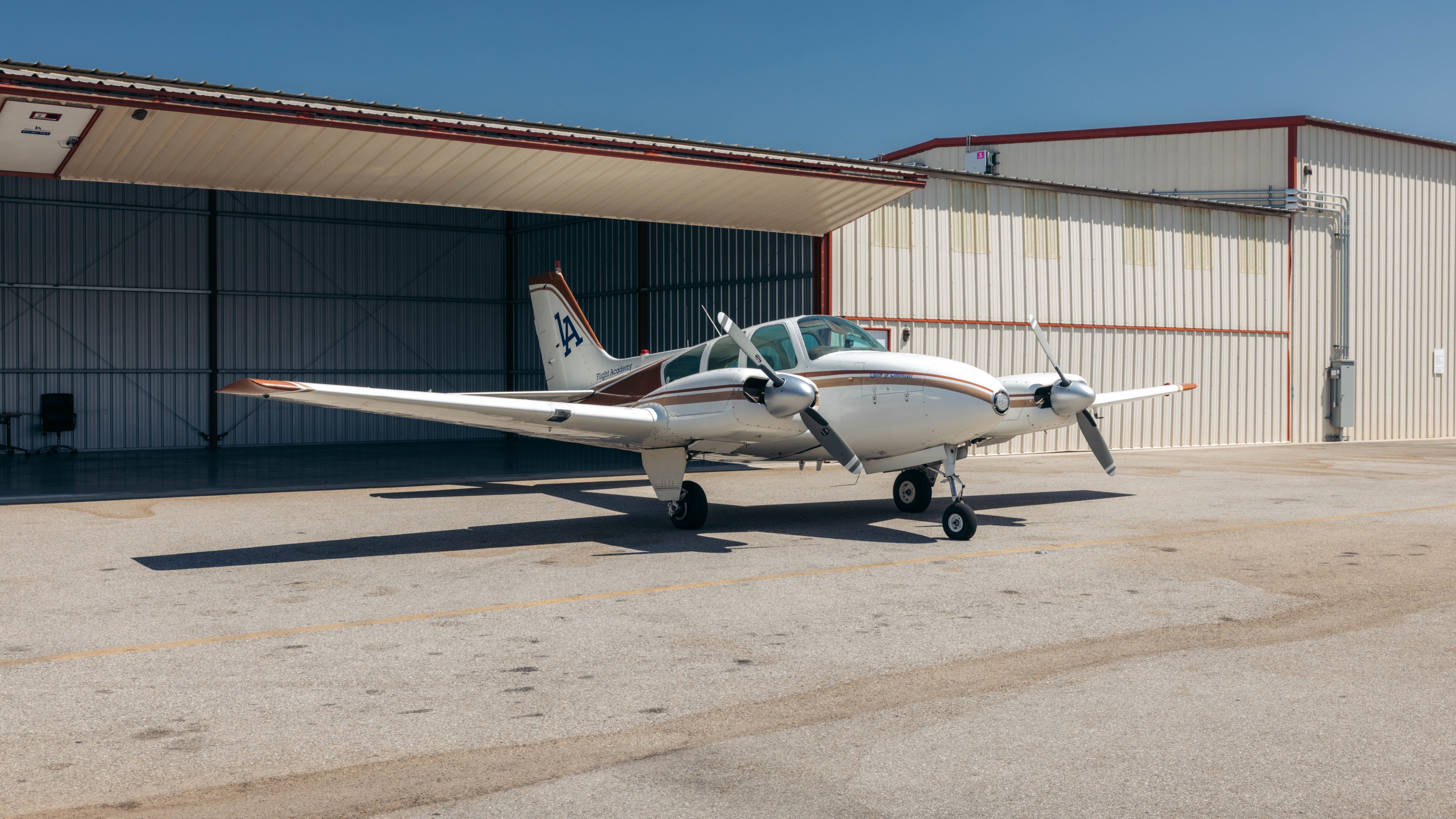
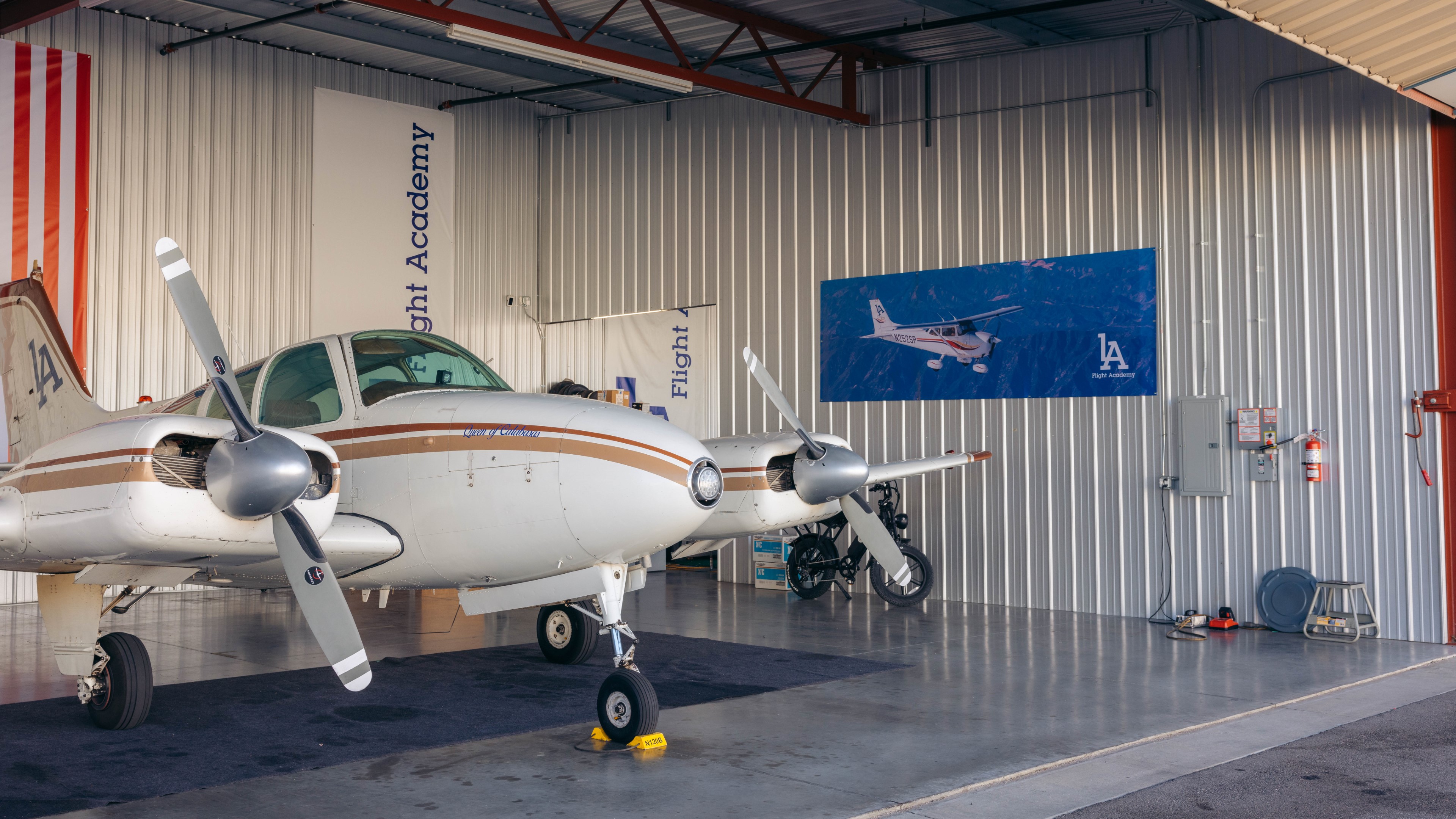
LA Flight Academy’s fleet page lists a Beechcraft 95-A55 Twin Engine used for commercial multi-engine and MEI training. The same fleet listing describes the aircraft as a 260-horsepower-per-engine Beechcraft twin with Garmin 375 Touchpad GPS, Bluetooth Flightstream, dual-axis autopilot, and published hourly/block rates on the fleet page.
That aircraft can support serious advanced training, but the outcome still depends on your current certificate, proficiency, instructor signoff, aircraft availability, weather, and checkride timing. Avoid thinking of multi-engine training as a shortcut. Think of it as concentrated systems and decision-making work.
Spin Training: Useful, But It Needs Careful Language
Spin training should never be sold with fear or hype. It is a focused training area that helps pilots better understand stall/spin awareness, spin entry, and recovery concepts.
For airplane or glider CFI applicants, spin-related training and an instructor endorsement are part of the FAA requirements under 14 CFR 61.183(i). You can review the rule in 14 CFR 61.183.
For other pilots, spin training may still be valuable, but the reason should be clear. It can help you understand how poor energy management, uncoordinated flight, and stall recognition connect. It can also make emergency discussions more concrete.
The important qualifier is this: CFI spin endorsement training must be done in an aircraft that is certificated for spins. Before booking, ask which aircraft is used for spin training and whether it is approved for that use.
Flight Reviews and IPCs: Staying Current Without Guesswork
Not every advanced training need is about a new aircraft or rating. Sometimes the right move is a structured review.
The FAA term is flight review, though many pilots still call it a BFR. Under 14 CFR 61.56, a flight review generally includes at least 1 hour of ground training and 1 hour of flight training. Most pilots need a flight review within the previous 24 calendar months to act as pilot in command unless another FAA-listed exception applies.
An Instrument Proficiency Check, or IPC, is different. It is for instrument-rated pilots who need to reestablish instrument currency when required under 14 CFR 61.57(d). If you have been outside instrument currency for more than six calendar months, an IPC is generally required unless an exception applies.
You can review the FAA rules here:
For many pilots, a flight review or IPC is a smart reset. It gives you a reason to sit down with an instructor, look at habits honestly, and sharpen the parts of flying that get rusty when you are not flying often.
Why Van Nuys Makes Sense for Advanced Training
Advanced pilots need more than quiet practice. They need real procedures, clear radio work, thoughtful planning, and a training environment that does not hide complexity.
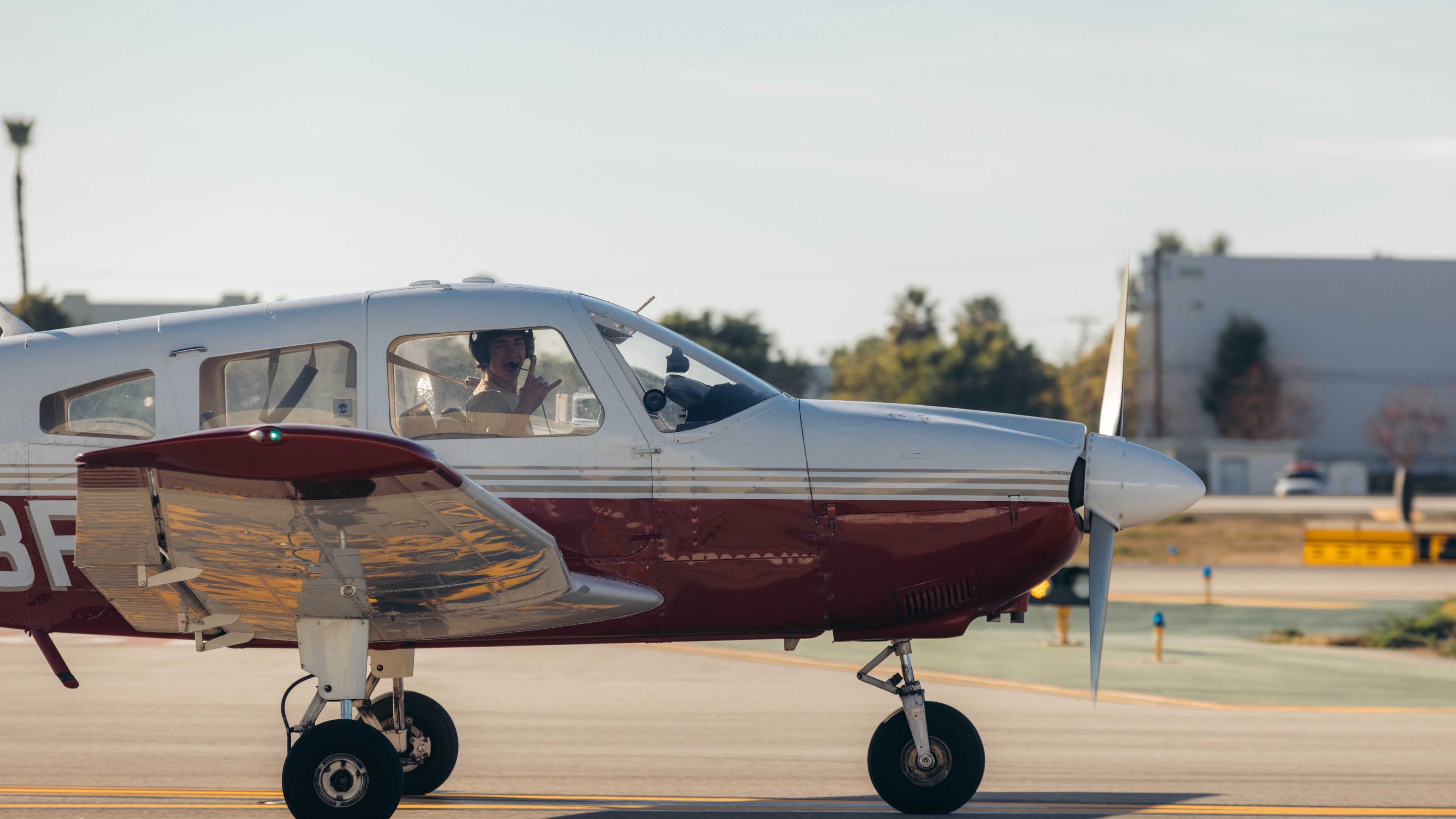
Training at Van Nuys can give you practice with towered-airport procedures and real ATC communication. That matters because advanced training often adds workload. You may be managing a faster aircraft, a new cockpit flow, simulated emergencies, or instrument procedures while still staying ahead of radio calls and traffic flow.
LA Flight Academy is based at Van Nuys Airport and serves pilots across the Los Angeles area. That local context supports a practical training mindset: you are not learning advanced skills in isolation. You are applying them in a busy Southern California aviation environment.
Do not overread that as a promise that every lesson will be intense, or that the weather will always cooperate. Advanced training still depends on aircraft availability, instructor availability, weather, maintenance, and your readiness. The benefit is that the environment can give your instructor meaningful ways to connect training tasks to real decisions.
How to Choose the Right Advanced Training Step
Start with the problem you are trying to solve. Then choose the training that solves it.
| If your goal is… | Start with… | Ask before booking |
|---|---|---|
| Add a multi-engine rating | Multi-engine training | What aircraft is used, what prerequisites apply, and how checkride scheduling works |
| Move into more powerful aircraft | High-performance training | Which aircraft is used and whether it meets the FAA definition |
| Learn more demanding aircraft systems | Complex aircraft training | What endorsement or checkout you are working toward |
| Prepare for CFI requirements | Spin training | Which spin-approved aircraft is used |
| Return to flying after time away | Flight review | What ground topics and flight tasks will be covered |
| Regain instrument currency | IPC | What approaches, holds, and IFR procedures will be reviewed |
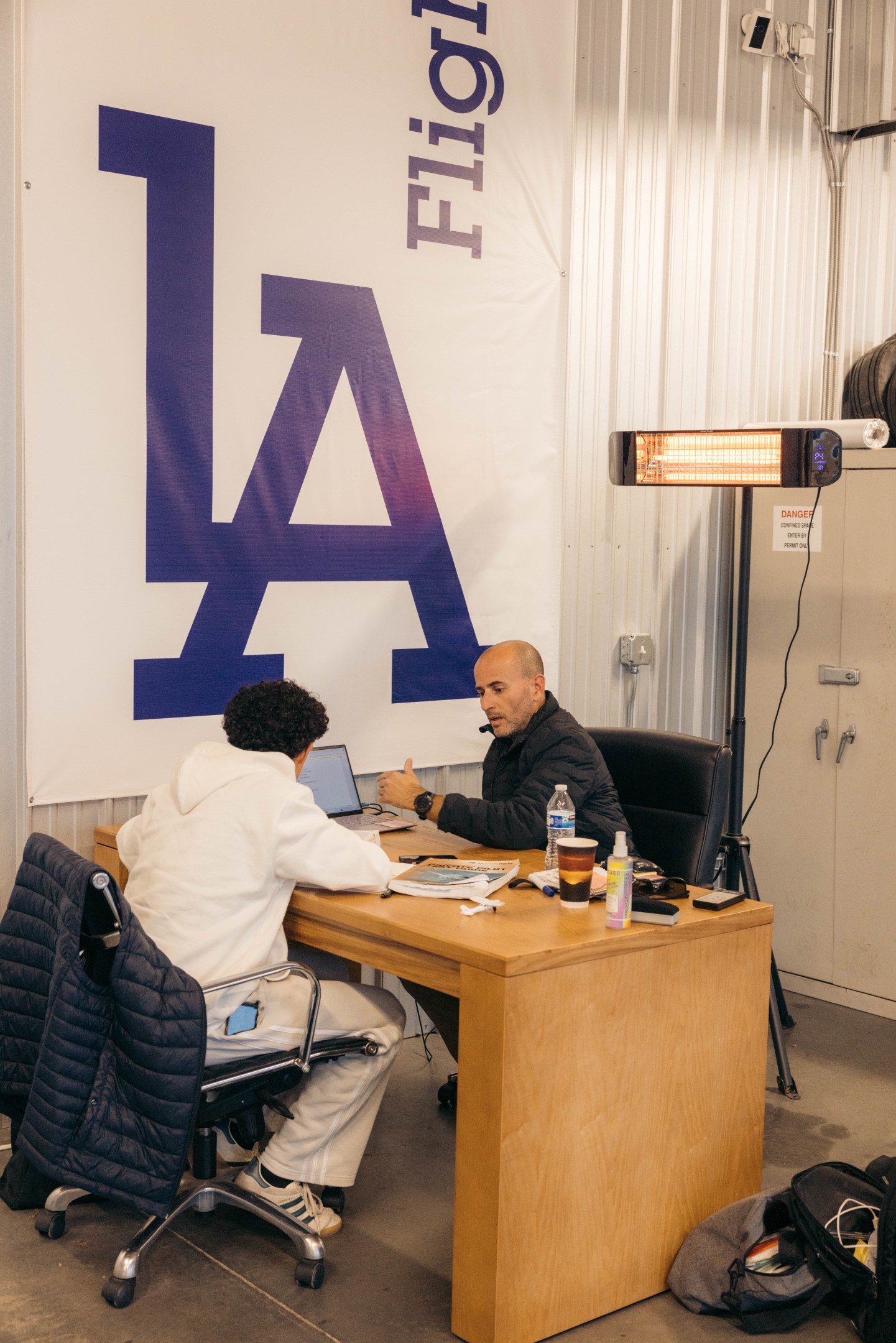
This is where a short call with the school matters. If you already hold a certificate, your logbook, recent flight time, ratings, and comfort level should guide the plan. A good training plan should not treat every pilot the same.
Questions to Ask Before You Enroll
Before you schedule advanced flight training, ask direct questions:
- What certificate, rating, endorsement, review, or proficiency goal are we training toward?
- Which aircraft will be used?
- What should I study before the first lesson?
- What must I already have in my logbook?
- How often should I fly to keep momentum?
- What can delay completion?
- What costs are predictable, and what costs vary?
- If a checkride is involved, how does scheduling work?
These questions reduce surprises. They also help your instructor build a plan that fits your real goal instead of giving you generic flight time.
LA Flight Academy publishes fleet details and aircraft rates on the fleet page. If cost planning is part of your decision, review those aircraft rates before you call. If financing is needed, LAFA also links students to financing options.
FAQ
Who is advanced flight training for?
Advanced training is generally for licensed pilots who want to add a skill, rating, endorsement, review, or proficiency check. It is not the same as a first flight lesson or beginner private pilot training.
Is a multi-engine rating a license?
No. A multi-engine rating is added to a pilot certificate. Use “rating,” not “license” or standalone “certificate,” when writing or asking about it.
Do I need a high-performance endorsement?
Most pilots need logged training and a one-time instructor endorsement to act as pilot in command of a high-performance airplane unless an FAA exception applies. Under 14 CFR 61.31(f), high-performance means an airplane with an engine of more than 200 horsepower.
Is BFR still the right term?
Many pilots still say BFR, but the FAA term is flight review. A flight review generally includes at least 1 hour of ground training and 1 hour of flight training, with FAA-listed exceptions.
When do I need an IPC?
An IPC, or Instrument Proficiency Check, is generally needed when an instrument-rated pilot has been outside instrument currency for more than six calendar months, unless an exception applies.
Can advanced training help with career goals?
Yes, advanced training can support career goals by building proficiency, ratings, endorsements, and aircraft experience. It does not guarantee a job. Career eligibility depends on your certificates, ratings, total experience, employer requirements, and current regulations.
Ready to Plan Your Next Step?
If you already have a pilot certificate and want to build the next layer of skill, start with LA Flight Academy’s Advanced Training page.
Review the training options, then contact the team with your current certificate, ratings, recent flight time, and goal. That gives your instructor the context needed to recommend the right next step, whether that is multi-engine training, a flight review, an IPC, spin training, or aircraft-specific transition work.