Become a CFII in LA: 2026 Instrument Instructor Guide

Published by:
Anthony N.
Published on:
Read time:
5 min read
For Certified Flight Instructors (CFIs) building hours toward an airline career, the right seat of a training aircraft is a classroom, office, and launching pad. While earning your initial CFI certificate is a major milestone, limiting yourself to teaching primary student pilots means missing out on a massive segment of flight training.
In Southern California, where complex airspace configurations and coastal marine layers are part of daily operations, the demand for instrument flight instruction is exceptionally high. If you want to make yourself highly marketable to flight academies, double your instruction opportunities, and sharpen your own instrument flying skills, adding the Certified Flight Instructor Instrument (CFII) rating is the logical next step.
Here is the complete guide to earning your CFII certificate in Los Angeles in 2026, covering eligibility requirements, testing guidelines, and how this rating fast-tracks your professional pilot goals.
Why the CFII Rating is Critical for LA Instructors
Earning your CFII rating is more than just adding a line to your FAA certificate; it is a strategic career upgrade. In the busy Los Angeles basin, pilots must quickly learn to navigate under instrument flight rules (IFR). When the morning marine layer rolls over VNY, primary visual flight rules (VFR) instruction often grinds to a halt.
If you only hold a standard CFI certificate, you cannot teach in these conditions or instruct students working toward their Instrument Rating. Adding CFII privileges changes your career trajectory:
- Expand Your Teaching Window: Teach in actual instrument meteorological conditions (IMC), keeping your schedule active when other instructors are grounded.
- Higher Employability: Flight schools prioritizes hiring instructors who can take a student all the way from their Private Pilot Course through Commercial Pilot licensing.
- Log IPCs and BFRs: Conduct Instrument Proficiency Checks (IPCs) and Biennial Flight Reviews (BFRs) for local general aviation pilots.
- Master High-Density Airspace: Teach IFR departures and arrivals in Class D towered environments under ATC supervision, deepening your radio communication skills.
Eligibility and Prerequisites for CFII Training
Before starting your CFII flight and ground instruction, you must meet key FAA regulatory requirements under 14 CFR Part 61. Unlike the initial CFI certificate, which requires a rigorous training curriculum, the CFII is treated as an add-on rating. Here are the core prerequisites to begin:
| Requirement Category | FAA Prerequisite Standard | How We Support Your Training |
|---|---|---|
| Minimum Age | At least 18 years old | Flight and ground scheduling 7 days a week. |
| Pilot Certificates | Hold a Commercial Pilot or ATP certificate | Integrated commercial and instructor pathways. |
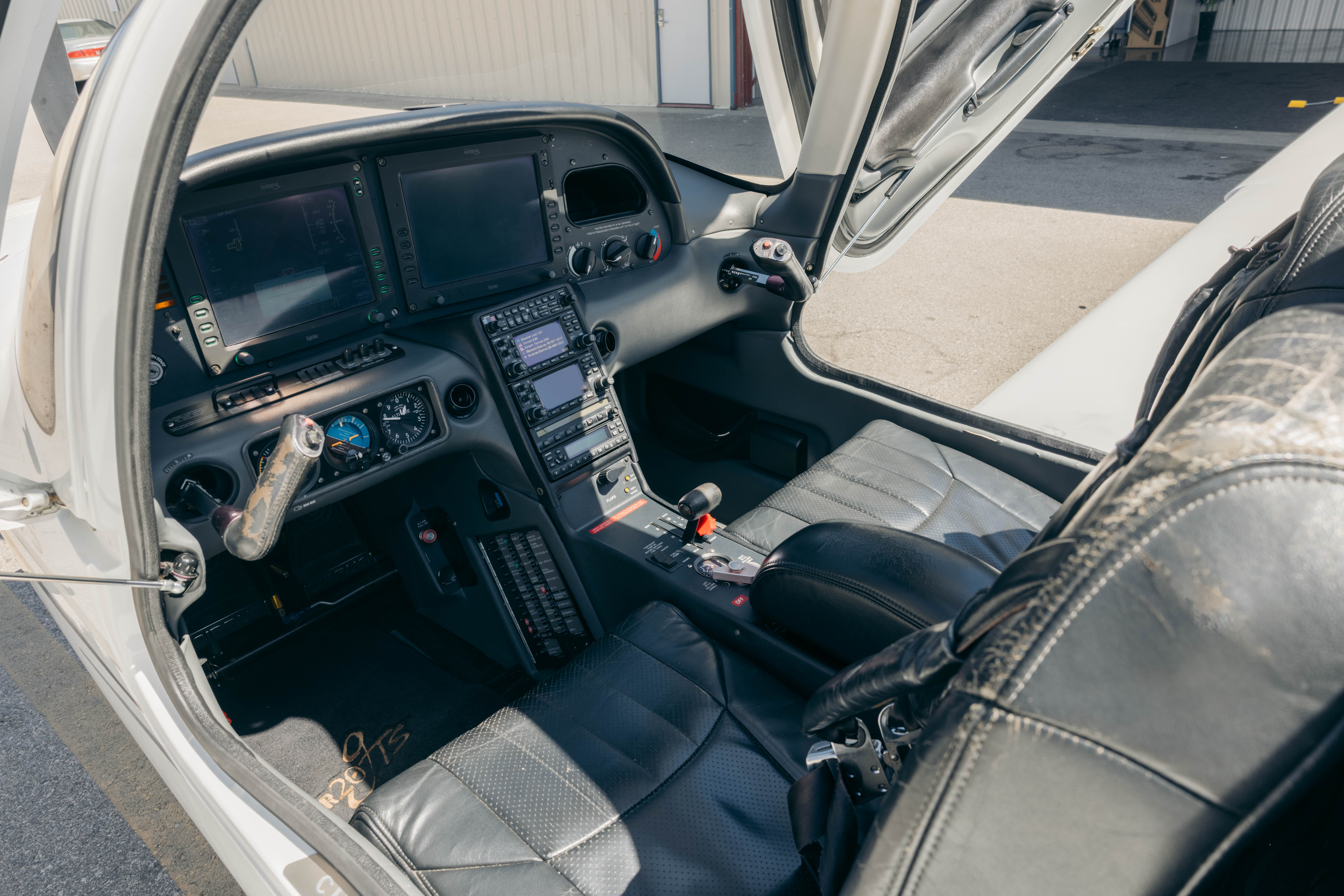
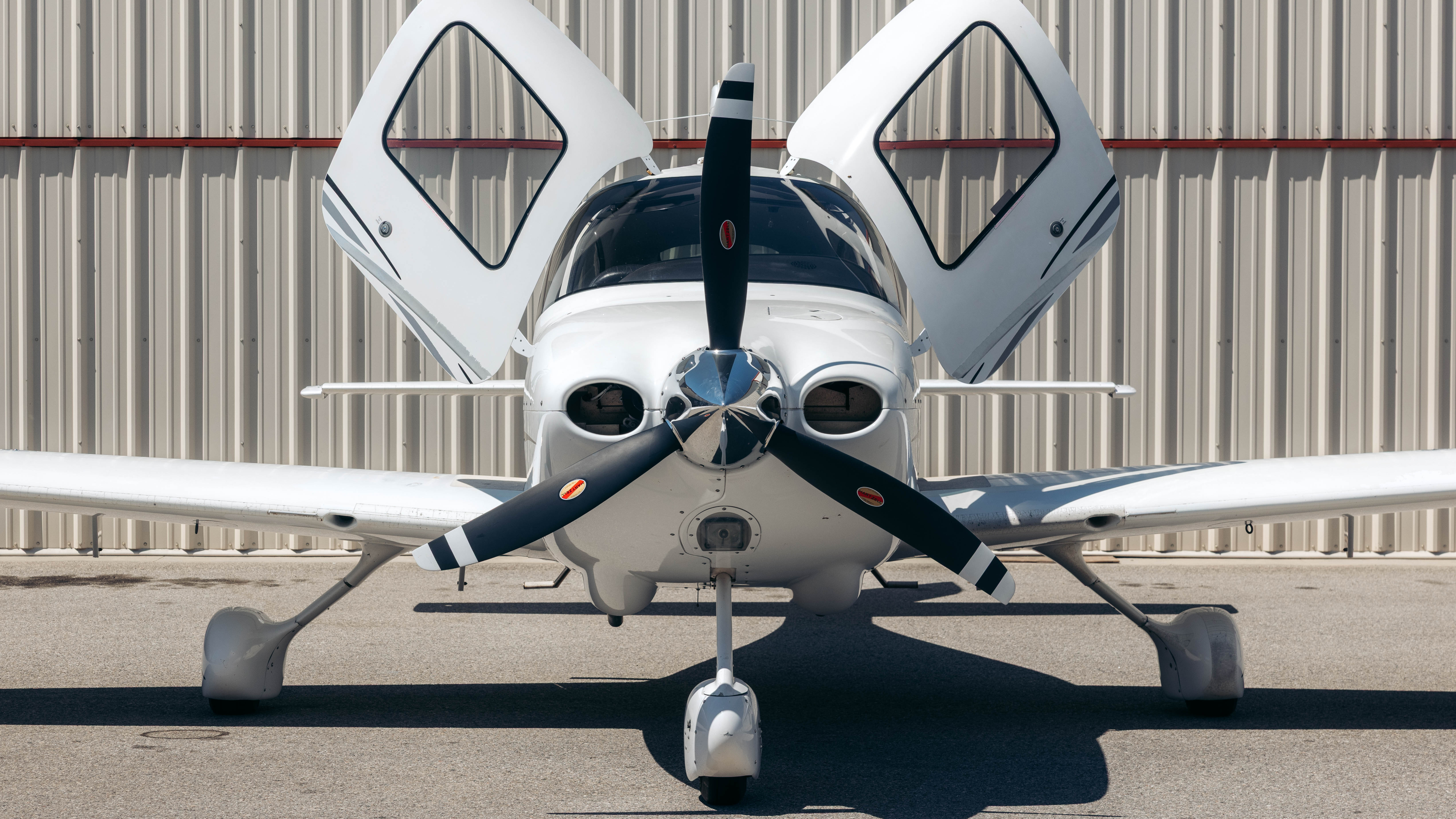
| Pilot Ratings | Hold an Instrument Rating | Advanced glass-panel training in Cirrus Training aircraft. |
| Medical Certification | Valid FAA Medical Certificate | Coordination with local Aviation Medical Examiners. |
| Aeronautical Knowledge | Pass the Flight Instructor Instrument (FII) written test | Comprehensive ground school prep courses. |
While the FAA does not specify a mandatory minimum number of flight hours for the CFII add-on under Part 61, you must train to proficiency. Most candidates require 10 to 15 hours of dual flight instruction from the right seat to master teaching instrument maneuvers, system failures, and scan patterns.

Mastering the Written Knowledge Exam
Before you can schedule your practical checkride with a Designated Pilot Examiner (DPE), you must pass the FAA Flight Instructor Instrument (FII) knowledge test.
The exam consists of 50 multiple-choice questions covering instrument flight procedures, FAA regulations, weather reports, navigation systems, and teaching methodologies. The passing score is 70%, and you are given 2.5 hours to complete the test.
We recommend utilizing structured test preparation software (such as Gleim or Sheppard Air) alongside one-on-one ground sessions with a senior instructor. Ground school prep ensures you do not just memorize answers, but fully comprehend the concepts so you can teach them clearly to your future students.
Right-Seat Flight Training and Simulator Efficiency
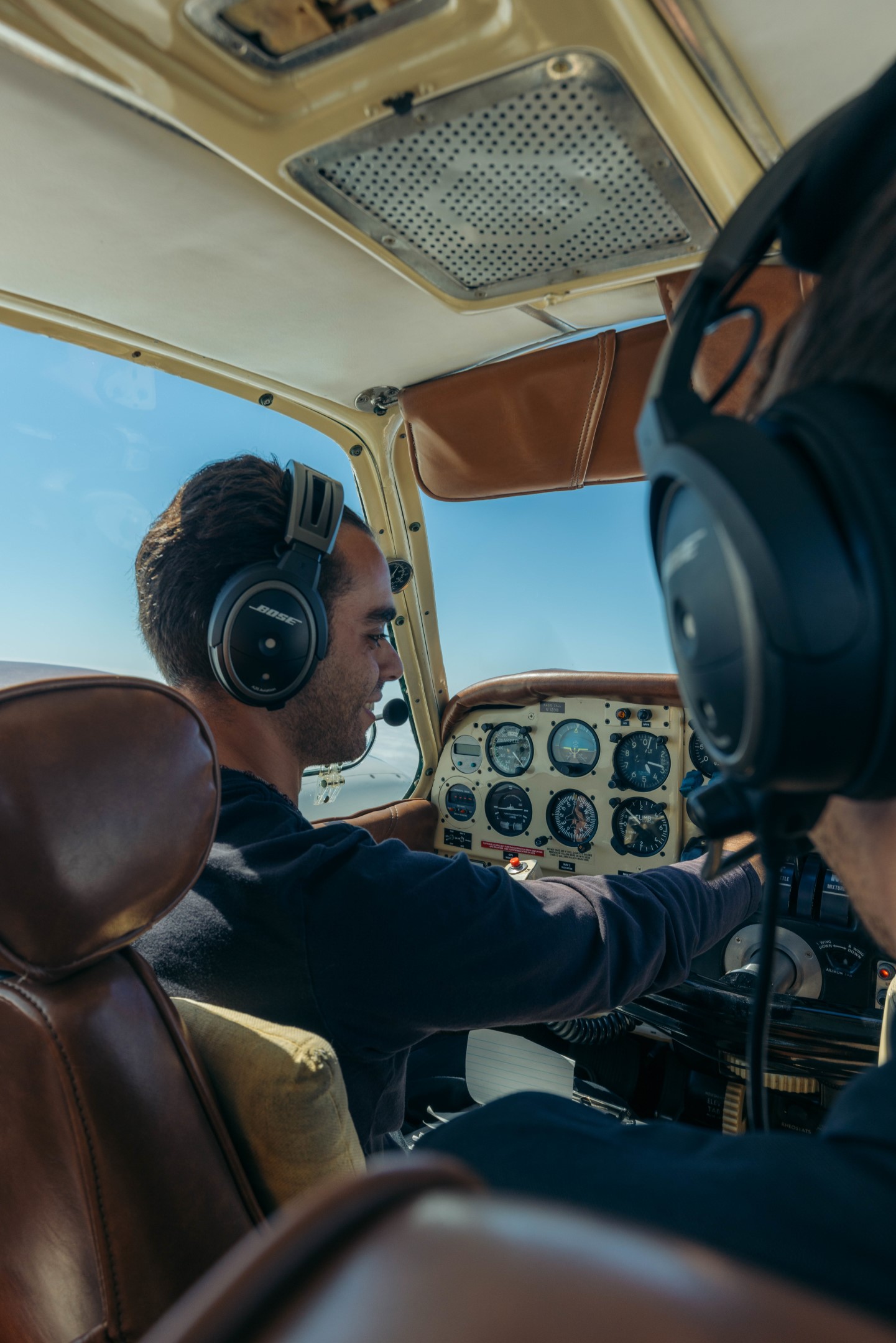
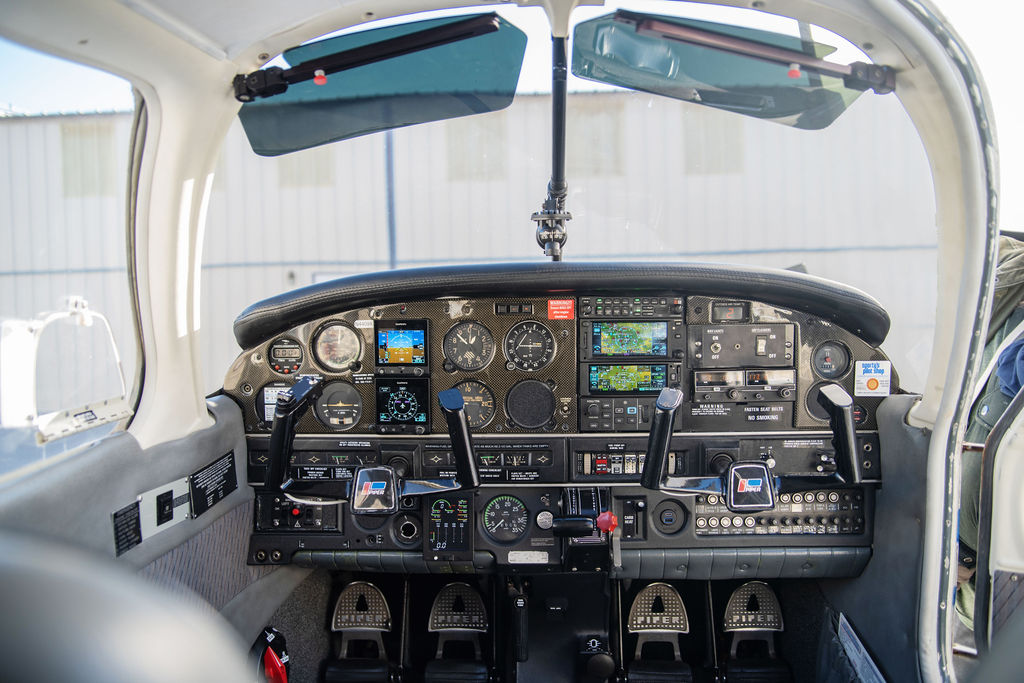
The core challenge of CFII training is learning to fly and teach solely by reference to instruments from the right seat. You must maintain precise control of the aircraft while explaining scan techniques, hold entries, and approach procedures.
Your flight training will focus on:
- System Failures and Partial Panel: Teaching students how to fly safely when critical instruments (like the attitude indicator or directional gyro) fail.
- Instrument Approaches: Instructing ILS, RNAV (GPS), and VOR approaches while communicating with ATC.
- Unusual Attitude Recoveries: Guiding students through recovering from nose-high and nose-low spatial disorientation scenarios.
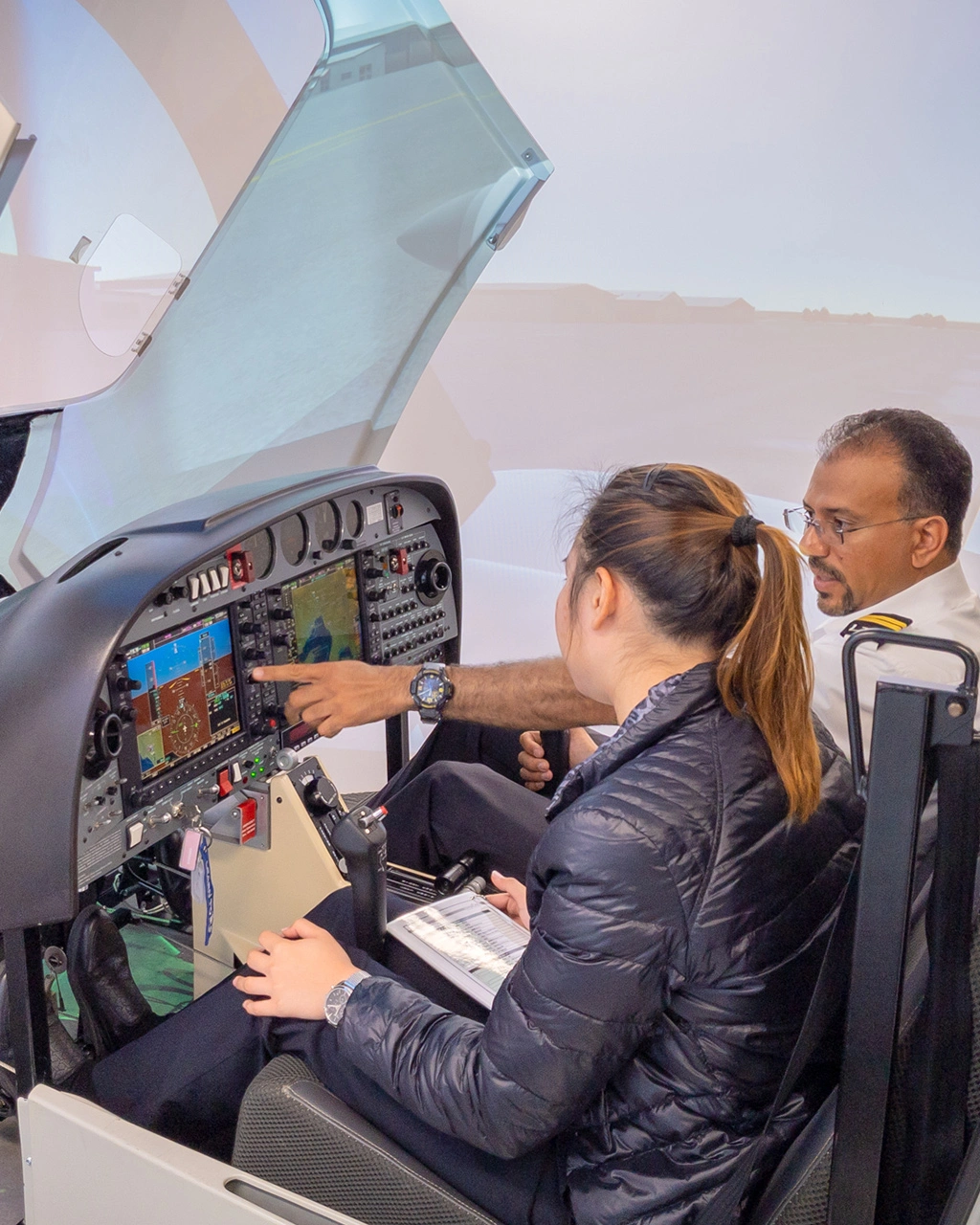
To reduce training costs, candidates can utilize our FAA-approved Gleim BATD simulator. Under Part 61 rules, using a simulator allows you to practice complex holding patterns, emergency procedures, and ATC radio communications in a low-stress environment at a fraction of the cost of renting a physical aircraft. This system-management training ensures you are fully prepared before step-by-step flight application.
Conquering the CFII Practical Checkride
The final hurdle is the FAA practical test, which consists of a thorough oral examination and a flight check.
During the oral exam, the DPE will evaluate your ability to teach. You will be asked to present lesson plans on topics like IFR clearances, weather theory, or instrument scan techniques. The examiner is not just checking if you know the material, but whether you can present it to a struggling student.
In the air, you will act as the instructor, explaining maneuvers as you fly them. The checkride validates your ability to maintain professional flight standards while diagnosing and correcting simulated student errors from the right seat.
Financing Your Instructor Career Path
Earning advanced credentials is a significant investment in your career. If you are building toward an airline flight deck, adding CFII to your resume increases your income potential and speeds up your hour-building process.
To manage the cost of your education, flexible financing options are available to qualified applicants through our lending partners, including Stratus Financial and Flight Training Finance. This funding can cover both aircraft rental hours and instructor time, allowing you to focus entirely on your training schedule.
Schedule Your CFII Training Consultation
Ready to unlock the full potential of your flight instructor privileges? Whether you are a local commercial pilot ready to start instructing or a current CFI seeking to add instrument privileges at VNY, our team is here to support your path.
Contact us today to schedule your CFII training consultation with one of our senior instructors and take the next step in your career.