The Ultimate Multi-Engine Oral Exam Guide: Systems & Aerodynamics
Published by:
Anthony N.
Published on:
Read time:
7 min read
The FAA multi-engine practical checkride is a two-part evaluation consisting of a thorough oral exam followed by a flight test. Because there is no written knowledge test required for a multi-engine add-on class rating, the Designated Pilot Examiner (DPE) uses the oral portion to intensely evaluate your understanding of aerodynamics and aircraft systems.
For many applicants, the oral exam is the most stressful part of meeting the multi-engine rating requirements. Examiners expect you to explain complex twin-engine systems and aerodynamic concepts with confidence. To help you prepare, we have put together this core study guide focusing on the essential systems and aerodynamic factors you will face.
1. Mastering the Aerodynamics: Vmc Factors
The examiner will expect you to define and explain the factors that affect Vmc (minimum control speed with the critical engine inoperative). Vmc is not a fixed number; it changes based on aircraft configuration and environmental conditions.
Be prepared to discuss how the following variables affect Vmc:
- Weight: A heavier aircraft has a lower Vmc because the horizontal component of lift helps counter the asymmetric yawing force.
- Center of Gravity (CG): A rearward CG reduces the rudder arm (the distance between the rudder and the CG), decreasing rudder authority and increasing Vmc.
- Flaps: Extending flaps increases drag on the working engine side, which typically increases Vmc.
- Landing Gear: Extended landing gear acts like a keel on a boat, stabilizing the aircraft and lowering Vmc.
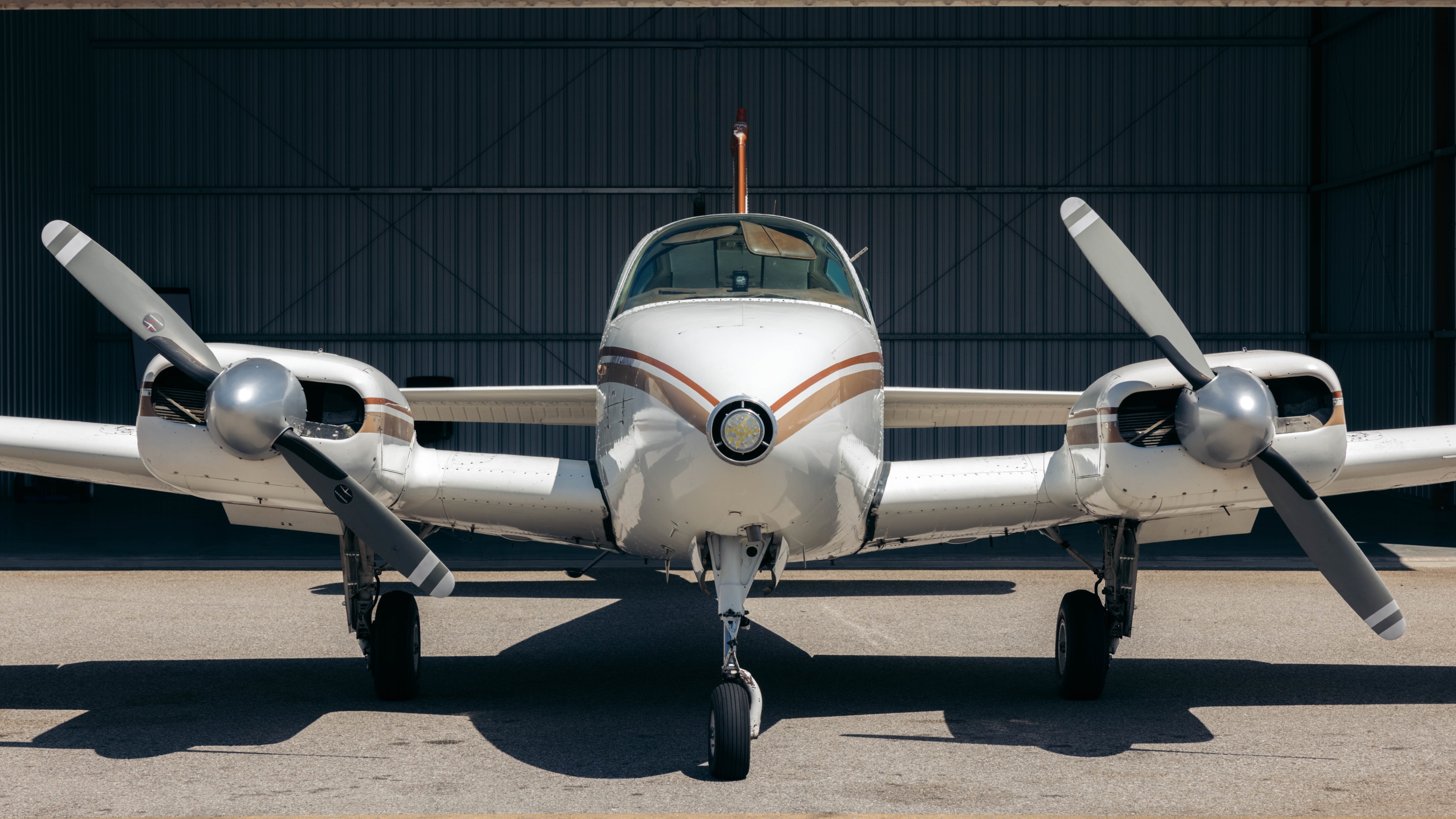
2. Multi-Engine Systems: The Beechcraft Baron 95-A55
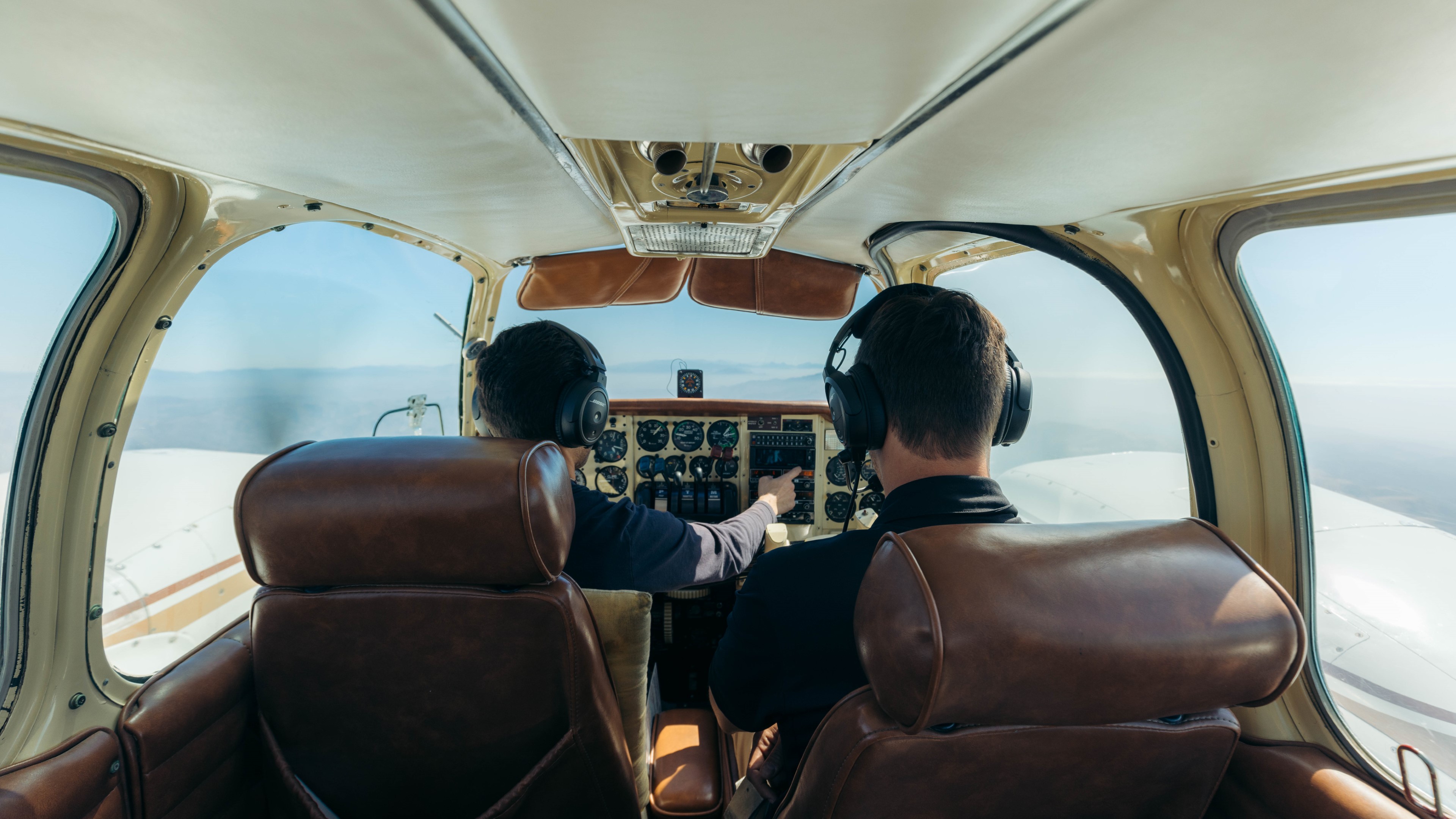
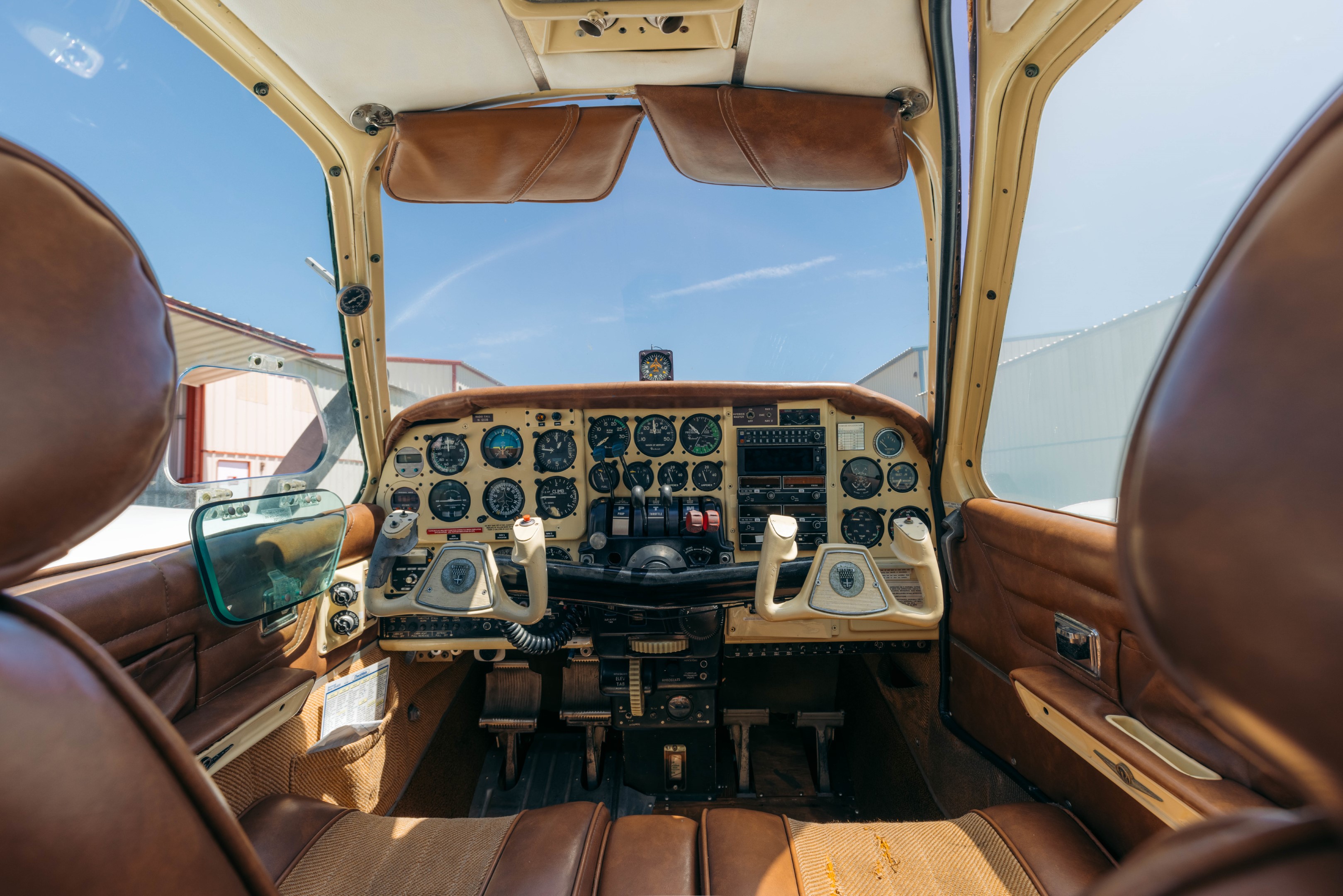
In a single-engine aircraft, system management is straightforward. In a twin-engine aircraft, systems are interconnected and more complex. During your oral exam, you must draw and explain the systems of your training aircraft from memory.
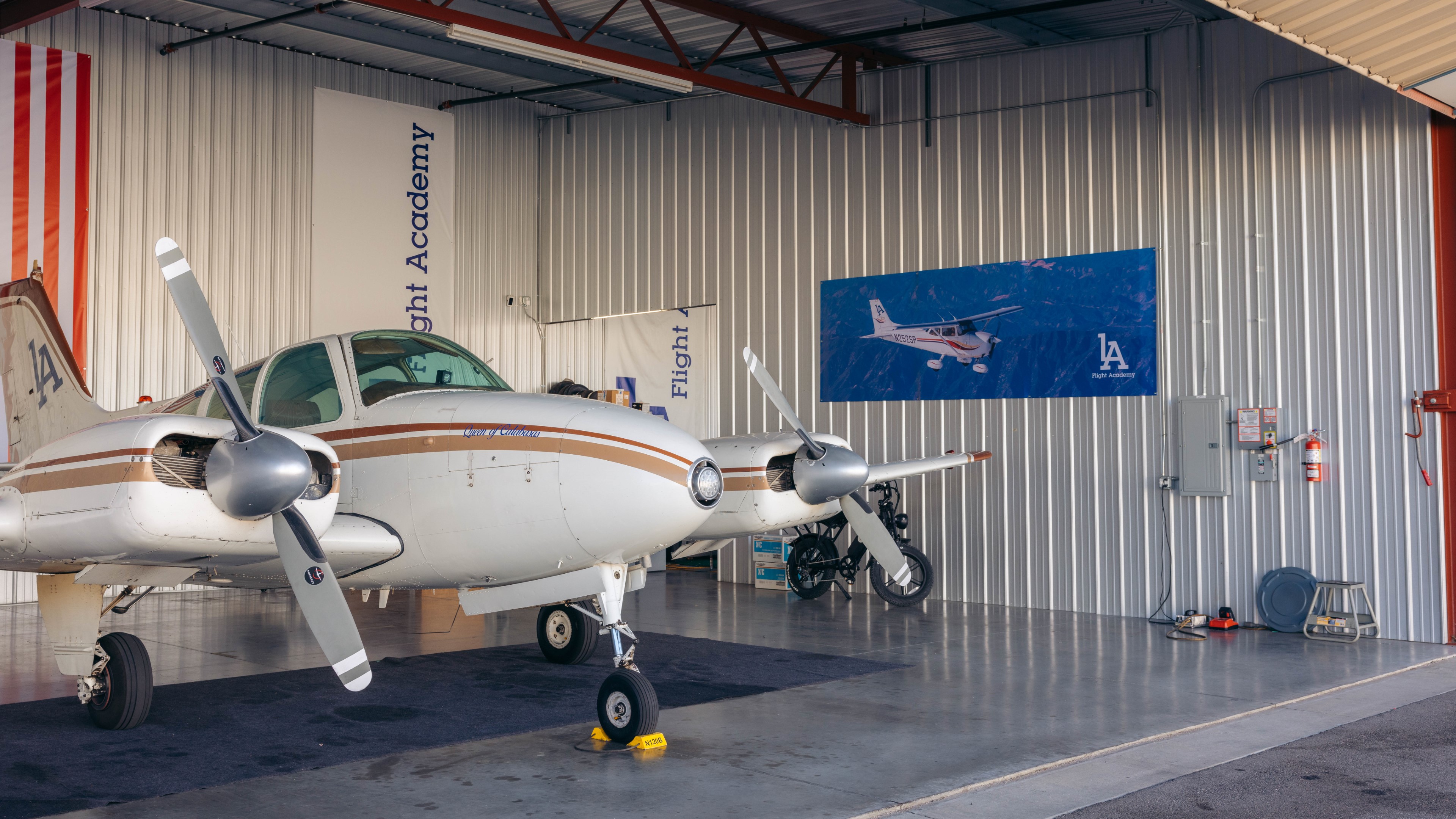
At LA Flight Academy, we train in the Beechcraft Baron 95-A55. You must master the following Baron systems:
| System | Key Component | VNY Training Standard |
|---|---|---|
| Fuel System | Crossfeed Valve | Must explain how to feed the left engine from the right fuel tanks during single-engine cruise. |
| Propellers | Nitrogen Charge & Counterweights | Explain how the propeller feathers automatically when oil pressure drops below a critical limit. |
| Landing Gear | Electric Actuator | Master the manual gear extension procedure and safety limit switches. |
| Electrical System | Dual Alternators | Explain load shedding and how to run essential flight avionics off a single alternator. |

3. Critical Engine Aerodynamics
You must explain why the left engine is the critical engine on conventional twin-engine aircraft. Propeller blades rotating clockwise produce four distinct aerodynamic effects that make a left-engine failure more challenging to control:
- P-Factor (Asymmetric Thrust): The descending blade produces more thrust. On the right engine, the descending blade is further from the aircraft center line, creating a longer yaw arm.
- Accelerated Slipstream: The thrust slipstream over the wing increases lift. The lift center is further out on the right wing, producing a stronger roll toward the dead engine.
- Spiraling Slipstream: The slipstream from the left engine yaws the tail to the left, helping to counter a right engine failure. The right engine slipstream does not hit the tail, offering no aerodynamic assistance during a left engine failure.
- Torque: The clockwise rotation of the propeller creates a counter-clockwise rolling force. If the left engine fails, torque rolls the aircraft in the same direction as the aerodynamic failure forces.
Conquering Your Checkride at VNY
Our structured training syllabus prepares you for the oral exam from day one. By combining ground briefings with interactive simulator practice and in-flight scenarios, we ensure you build the automatic reflexes needed to pass your checkride.
Our 100% checkride pass rate and history of over 1,000 graduates are proof of our training quality. We also partner with Stratus Financial and Flight Training Finance to make financing your advanced ratings simple and affordable.
Review our Multi-Engine Rating FAQ to confirm prerequisites, or contact us to secure your training block in our accelerated program.