Instrument Rating in Los Angeles: 2026 Marine Layer Guide
Published by:
Anthony N.
Published on:
Updated on:
Read time:
8 min read
If you are a private pilot in Los Angeles, the marine layer can change your whole day. The airplane may be ready, your passengers may be ready, and the destination may be close, but a low coastal ceiling can still turn a simple VFR flight into a delay.
That is why many pilots start searching for an instrument rating Los Angeles program after a few weather-limited trips. They do not want aviation to stay a clear-day hobby. They want the skill to fly by reference to instruments, work with ATC, fly published procedures, and make better weather decisions.
People often search for an instrument rating license, but the FAA term is instrument rating. It is added to your pilot certificate. At LA Flight Academy in Van Nuys, the goal is to help you turn that rating into practical confidence for Southern California flying.
Make Coastal Weather Less Likely to Ground Your Plans
An instrument rating does not make weather disappear. It does not mean every trip should launch, and it does not remove the need for current skills, an equipped aircraft, alternates, and sound judgment.
What it can do is give you more useful options when the weather is safe for IFR but not good enough for VFR. In Southern California, that often means the morning marine layer, haze, lower ceilings near the coast, or visibility that makes a VFR-only trip impractical.
For a private pilot, the benefit is simple: your airplane becomes a more reliable travel tool. A weekend coastal flight, a business trip, or a family visit is less likely to depend only on blue skies from departure to destination.
That is the real reason to pursue the Instrument Rating. You are not just adding a line to your certificate. You are learning how to think, brief, navigate, communicate, and decide when the outside view is not enough.
Know the Part 61 Requirements Before You Budget
For a typical Part 61 instrument-airplane rating, plan around two major FAA experience benchmarks under 14 CFR 61.65:
- 50 hours of cross-country flight time as pilot in command, with at least 10 hours in airplanes for an instrument-airplane rating.
- 40 hours of actual or simulated instrument time, including required instructor-led instrument training.
You can review the official regulations in 14 CFR 61.65.
Those numbers matter because they shape both your training plan and your cost plan. If you already have meaningful cross-country PIC time from private pilot flying, your starting point may look different from a pilot who has stayed mostly local.
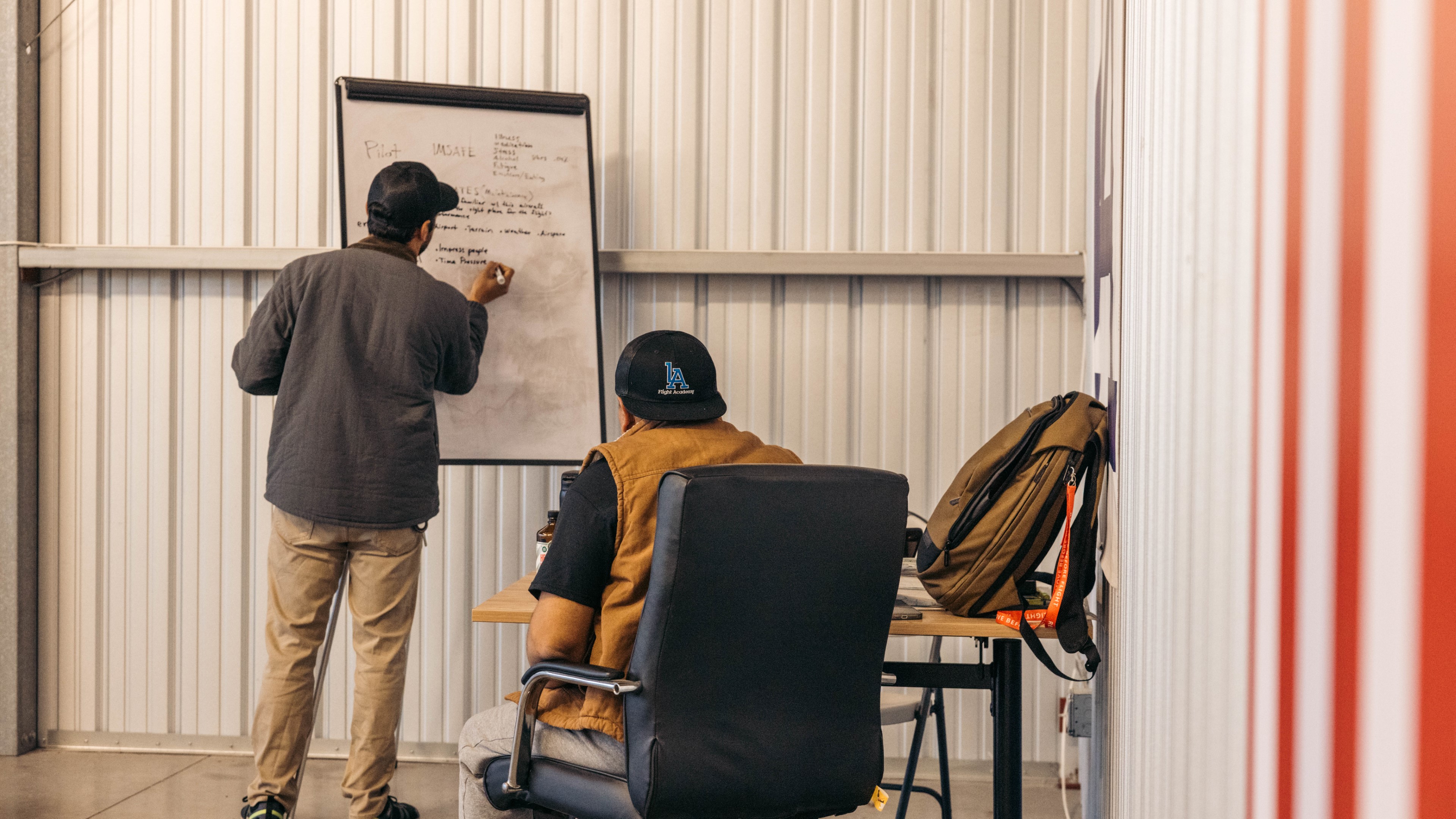
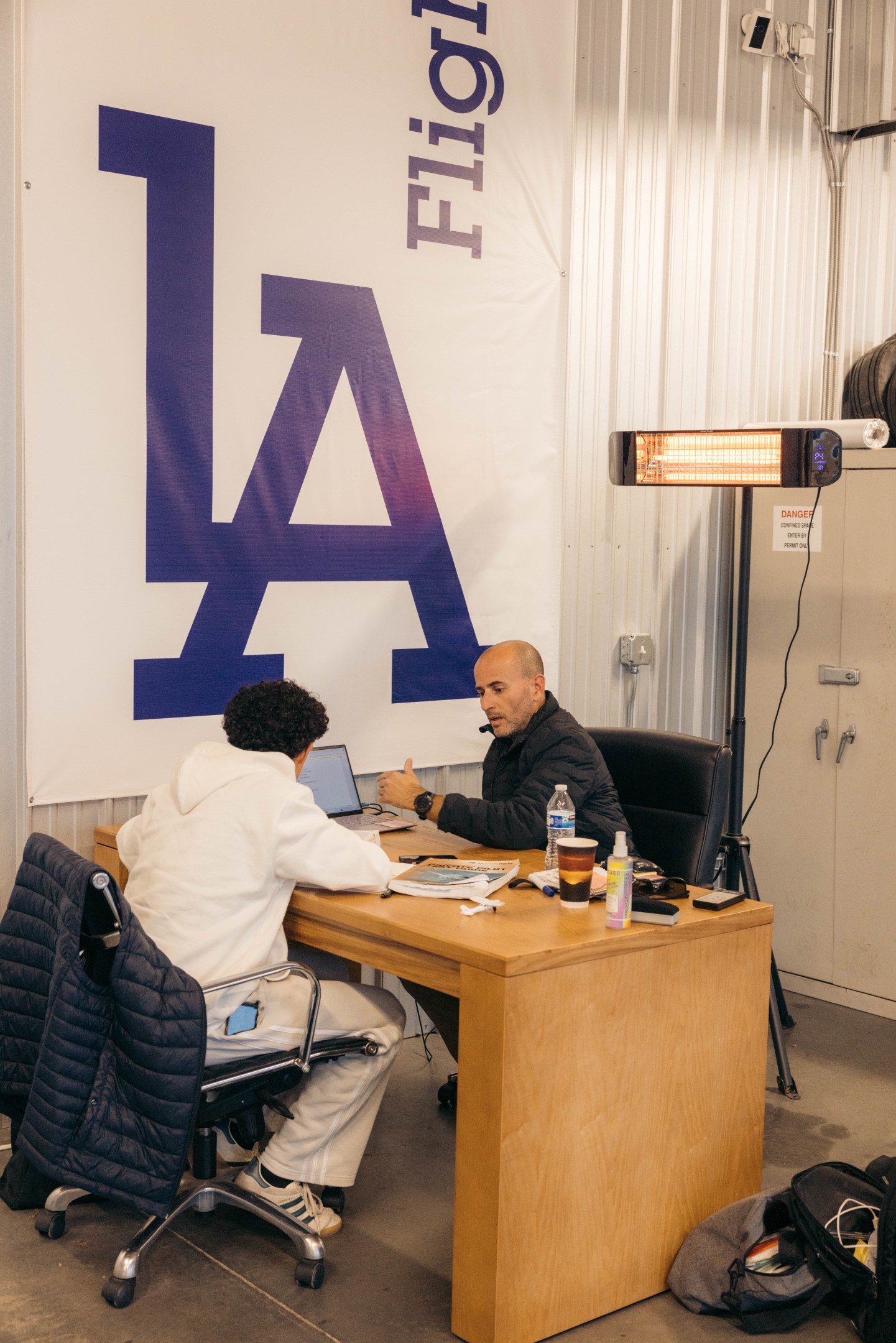
Our Instrument Rating course also includes ground training in weather theory, instrument navigation, IFR flight planning, and the National Airspace System. In the aircraft, you build IFR procedures such as approaches, departures, arrivals, and en-route navigation.
| Requirement area | What it means for you | How to plan it |
|---|---|---|
| Cross-country PIC time | You need meaningful travel-style experience as pilot in command | Review your logbook before you start |
| Actual or simulated instrument time | You need time flying by reference to instruments | Combine aircraft lessons, approved simulator time, and instructor guidance |
| Instructor-led training | You need structured training from an authorized instructor | Keep lessons frequent enough to build scan and procedure habits |
| IFR cross-country work | You must learn to plan and fly under IFR across airports and approaches | Treat it as travel training, not just checkride prep |
The rating rewards consistency. Long gaps make the scan feel harder, the radios feel faster, and the procedures feel heavier than they need to be.
Use the Simulator to Lower Workload and Control Cost
Instrument training can feel mentally full at first. You are holding altitude, tracking headings, scanning instruments, briefing procedures, listening to ATC, and planning the next step without relying on the horizon.
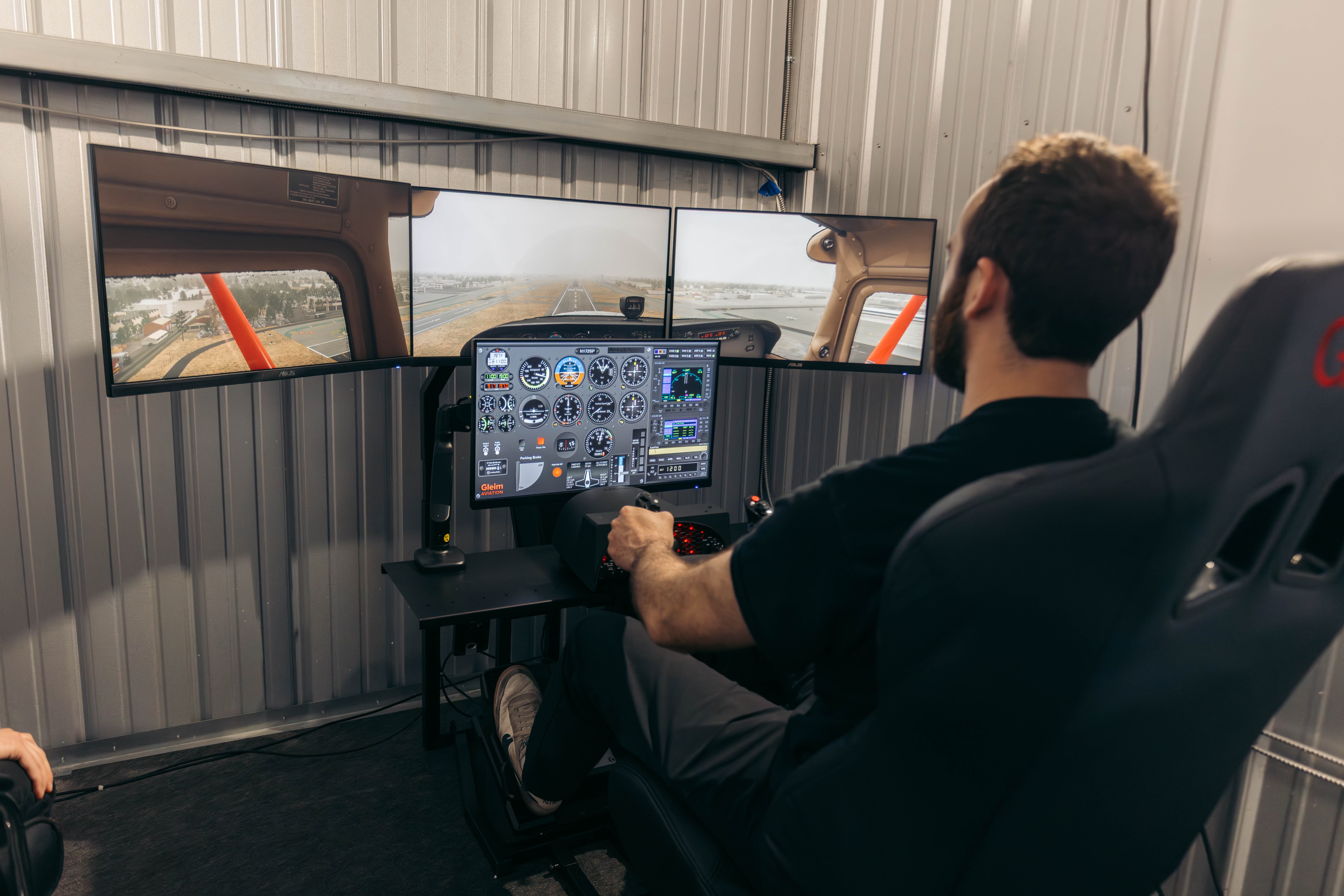
That is where our FAA-approved Gleim BATD flight simulator helps. You can slow the lesson down, repeat procedures, build scan habits, and practice IFR tasks before the airplane adds motion, weather, traffic, and radio pressure.
Under Part 61 rules, our Gleim BATD can help you log up to 10 hours toward your instrument rating. The simulator is listed at $70/hour, or $60/hour with a 10-hour block rate. Compared with 10 hours in several aircraft on our fleet, using the simulator block rate can save more than $1,000 based on current listed aircraft and simulator rates.
That is the honest cost-control lesson. The simulator does not replace all aircraft training, and it does not make the checkride easy by itself. But used well, it helps you spend aircraft hours on aircraft tasks instead of first-time confusion.
If you are asking how to fund instrument rating flight training, start with three pieces:
- Logbook review: Know how much cross-country PIC time you already have.
- Simulator strategy: Use approved BATD time where it fits the training plan.
- Financing plan: Review available financing options before schedule pressure builds.
Train for Real SoCal IFR Workload at Van Nuys
Instrument flying in Los Angeles is not just a classroom idea. You need to manage procedures, radio calls, airspace, headings, altitudes, and approach briefings in a busy environment.
Training from Van Nuys Airport (VNY) helps because you are close to the kind of workload you are preparing to use. Your lessons can include ATC communication, departure and arrival procedures, en-route navigation, and approach work such as ILS and RNAV procedures when planned with your instructor.
That matters because the instrument rating is not only about cloud time. Many lessons are about staying ahead of the airplane:
- Before takeoff: Brief the clearance, departure plan, frequencies, and first altitude.
- En route: Track the course, manage radios, monitor weather, and prepare for changes.
- Before the approach: Brief minimums, missed approach steps, avionics setup, and runway environment.
- After landing: Debrief what got busy and what needs repetition.
Our Instrument Rating training covers precision and non-precision approaches, departure and arrival procedures, and en-route navigation because those are the habits that make IFR flying useful after the checkride.
Build Confidence Without Pretending IMC Is Easy
The first time a pilot loses the outside horizon under the hood, the workload can feel personal. Small altitude changes show up quickly. Radio calls arrive while you are still setting up the next task. A simple heading correction can distract you from airspeed or altitude.
That does not mean you are behind. It means you are learning a new way to fly.
Instrument training builds confidence through repeatable habits:
- Scan: Move your eyes with purpose instead of staring at one instrument.
- Control: Make small corrections before the airplane drifts far.
- Brief: Know the procedure before you are inside the busiest part of it.
- Communicate: Keep ATC work clear, short, and organized.
- Decide: Use weather, alternates, fuel, and personal minimums before pressure builds.
This is also why the rating is so valuable for private pilots who want family or business travel. Your passengers do not need you to be bold. They need you to be prepared, current, and willing to make conservative decisions when the weather asks for it.
Choose the Right Aircraft and Avionics for Your Goal
Your instrument rating should prepare you for the airplanes you actually expect to fly. That is why aircraft and avionics matter.
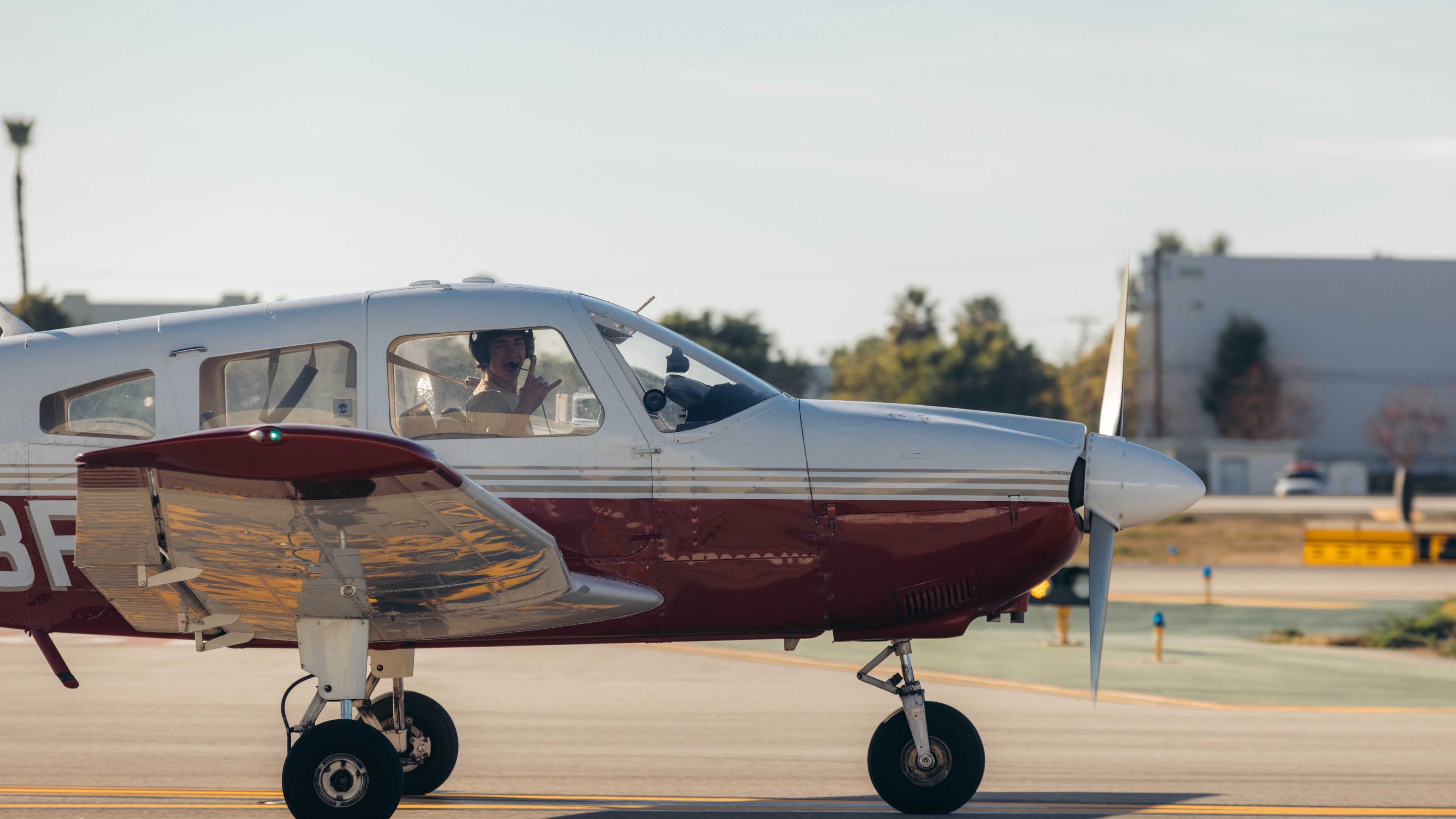
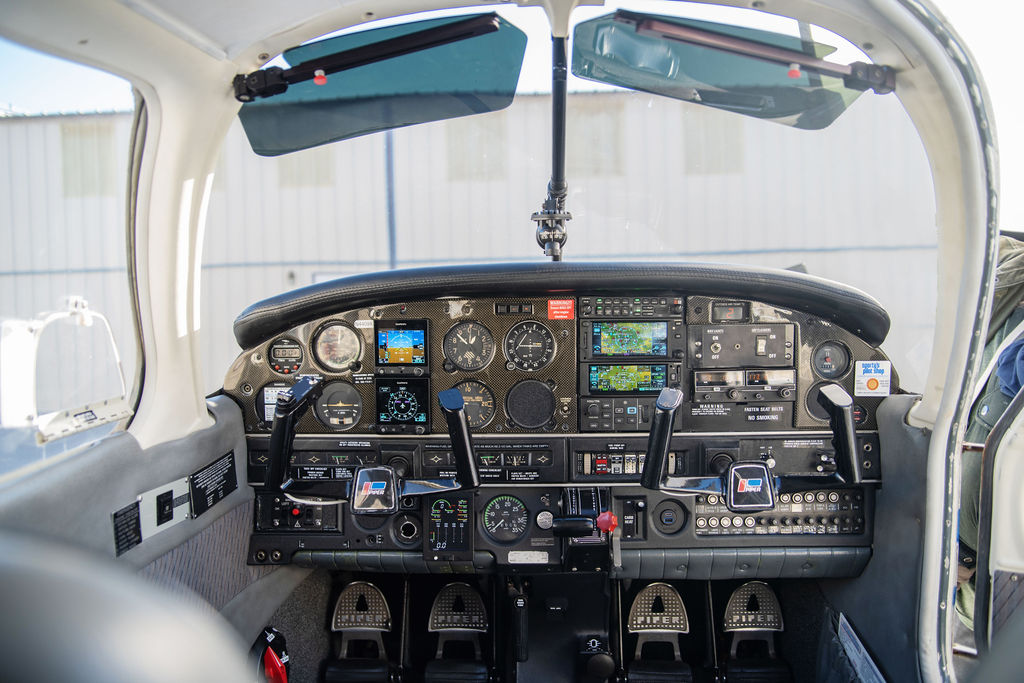
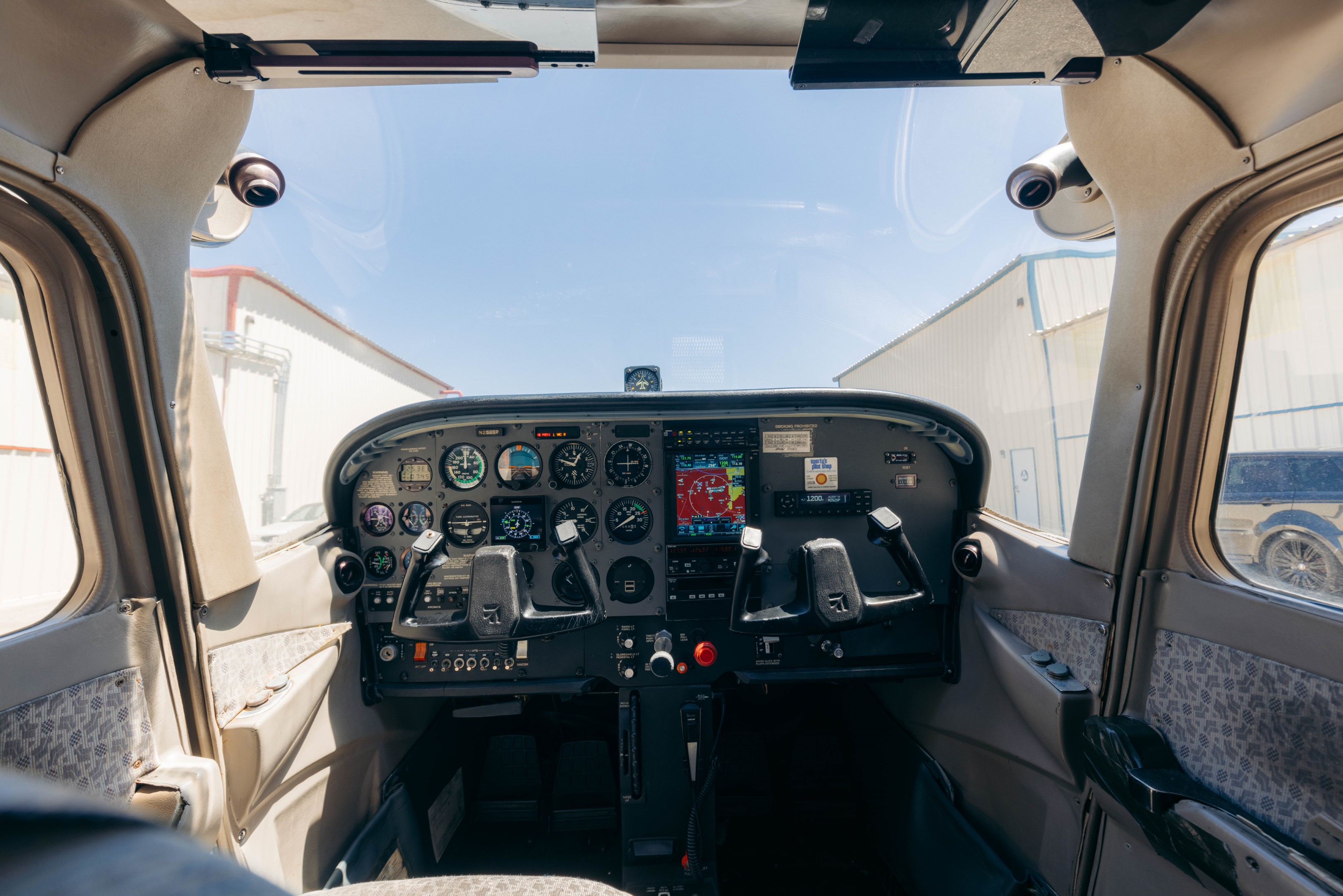
LA Flight Academy’s fleet includes IFR-certified aircraft used for instrument training, including Cessna, Piper, and Cirrus options. Depending on the aircraft, you may train with avionics such as Garmin GPS, Garmin G5 displays, autopilot, and other systems that help you build modern IFR habits.
The right choice depends on your goal:
| If your goal is… | Training focus | Useful internal link |
|---|---|---|
| More reliable personal travel | IFR procedures, weather decisions, and route planning | Instrument Rating |
| Modern avionics confidence | GPS, displays, autopilot workflow, and approach setup | Fleet |
| Career-track training | Instrument skill as a foundation for commercial-level flying | Pilot Career Path |
| Lower-cost procedure practice | Repetition, scan, clearances, and approach flows | Flight Simulator |
The aircraft is not just a line item in the budget. It shapes your scan, your workload, and your confidence after the rating.
FAQ
Is an instrument rating the same as an instrument rating license?
No. Pilots often search for “instrument rating license,” but the FAA term is instrument rating. It is added to your pilot certificate.
What are the main Part 61 instrument rating requirements?
For a typical instrument-airplane rating, plan around 50 hours of cross-country PIC time and 40 hours of actual or simulated instrument time, along with the knowledge, proficiency, instructor training, and cross-country details in 14 CFR 61.65.
Can an instrument rating help with the Los Angeles marine layer?
Yes, when the aircraft, pilot currency, weather, and flight planning support IFR. The rating can reduce cancellations caused by marine layer, haze, and low ceilings, but it does not make every weather day flyable.
How much simulator time can count toward an instrument rating?
Under the applicable Part 61 rules, LA Flight Academy’s FAA-approved Gleim BATD can help you log up to 10 hours toward the instrument rating.
Does simulator time replace aircraft instrument training?
No. Simulator time is a strong cost-control and procedure-practice tool, but you still need aircraft training to handle real cockpit workload, weather decisions, aircraft control, ATC, and checkride preparation.
What approaches will I learn during instrument training?
Instrument training includes approach work such as precision and non-precision procedures. At Van Nuys and in Southern California airspace, your instructor can plan approach practice such as ILS and RNAV procedures when appropriate for the lesson.
Start Your Instrument Rating Plan in Van Nuys
If VFR-only flying is limiting your trips, the next step is a focused instrument plan. Bring your logbook, your recent flying history, your travel goals, and your budget questions.
Start with LA Flight Academy’s Instrument Rating program. We can help you plan the cross-country time, instrument time, simulator use, aircraft options, and checkride preparation that turn the rating into real travel capability.