How to Choose the Best Flight School in Van Nuys
Published by:
Anthony N.
Published on:
Read time:
6 min read
Choosing where to take your flying lessons is the most critical decision of your aviation journey. The right environment doesn’t just prepare you to pass a checkride—it shapes your safety margins, builds your confidence, and saves you thousands of dollars by keeping your training efficient.
At Van Nuys Airport (VNY), the world’s premier general aviation hub, you have multiple options. But generic training programs often lead to scheduling bottlenecks, high checkride failure rates, and hidden fees. To help you choose a path that fits your life, we have outlined the core criteria for selecting the best flight school in Van Nuys.
1. Evaluating Fleet Diversity and Maintenance Standards
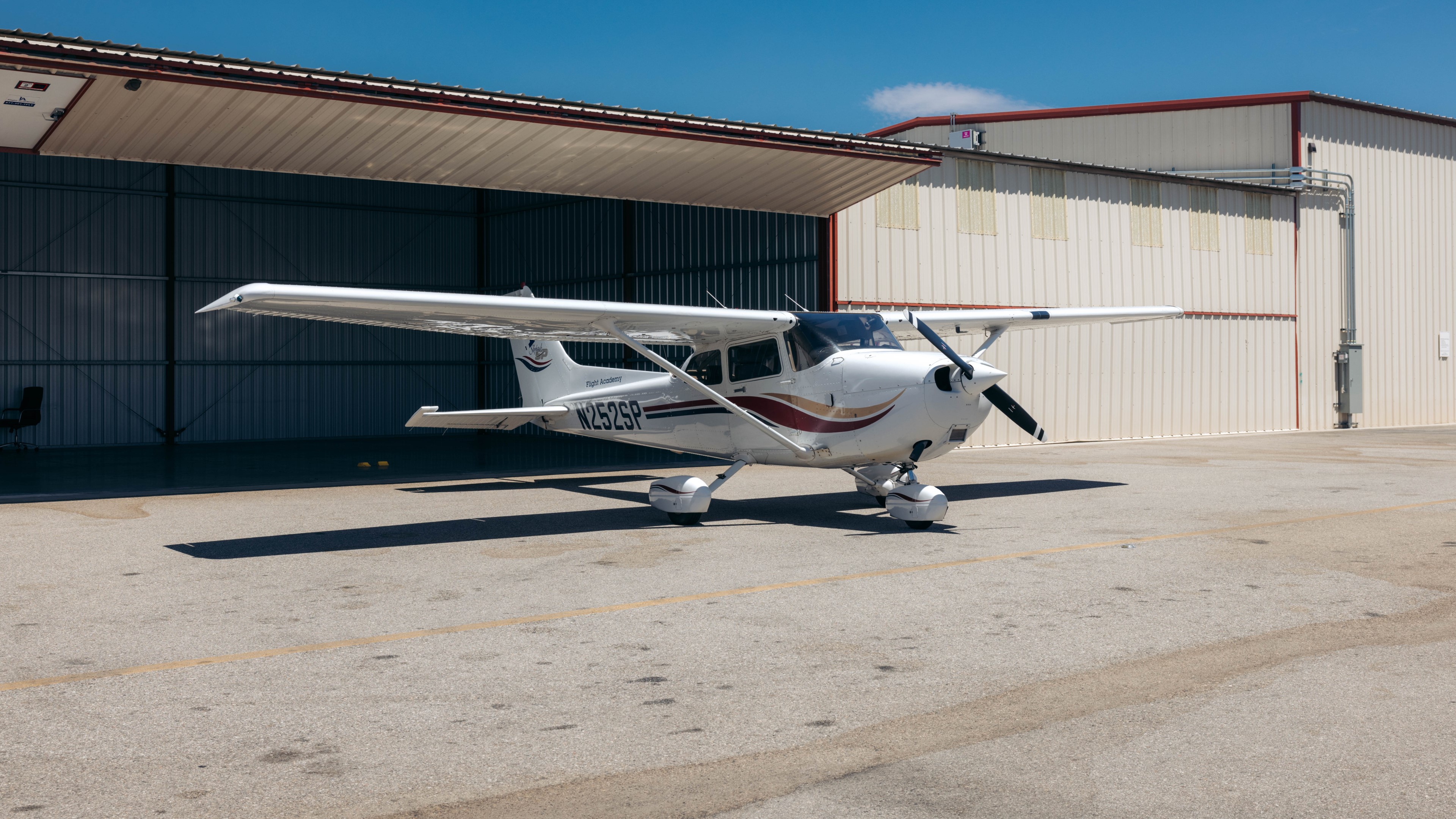
You cannot fly if the aircraft is grounded for maintenance. When researching van nuys flight schools, always inspect the size and condition of the training fleet. A school with only one or two planes will leave you grounded for weeks when a standard 100-hour inspection occurs.
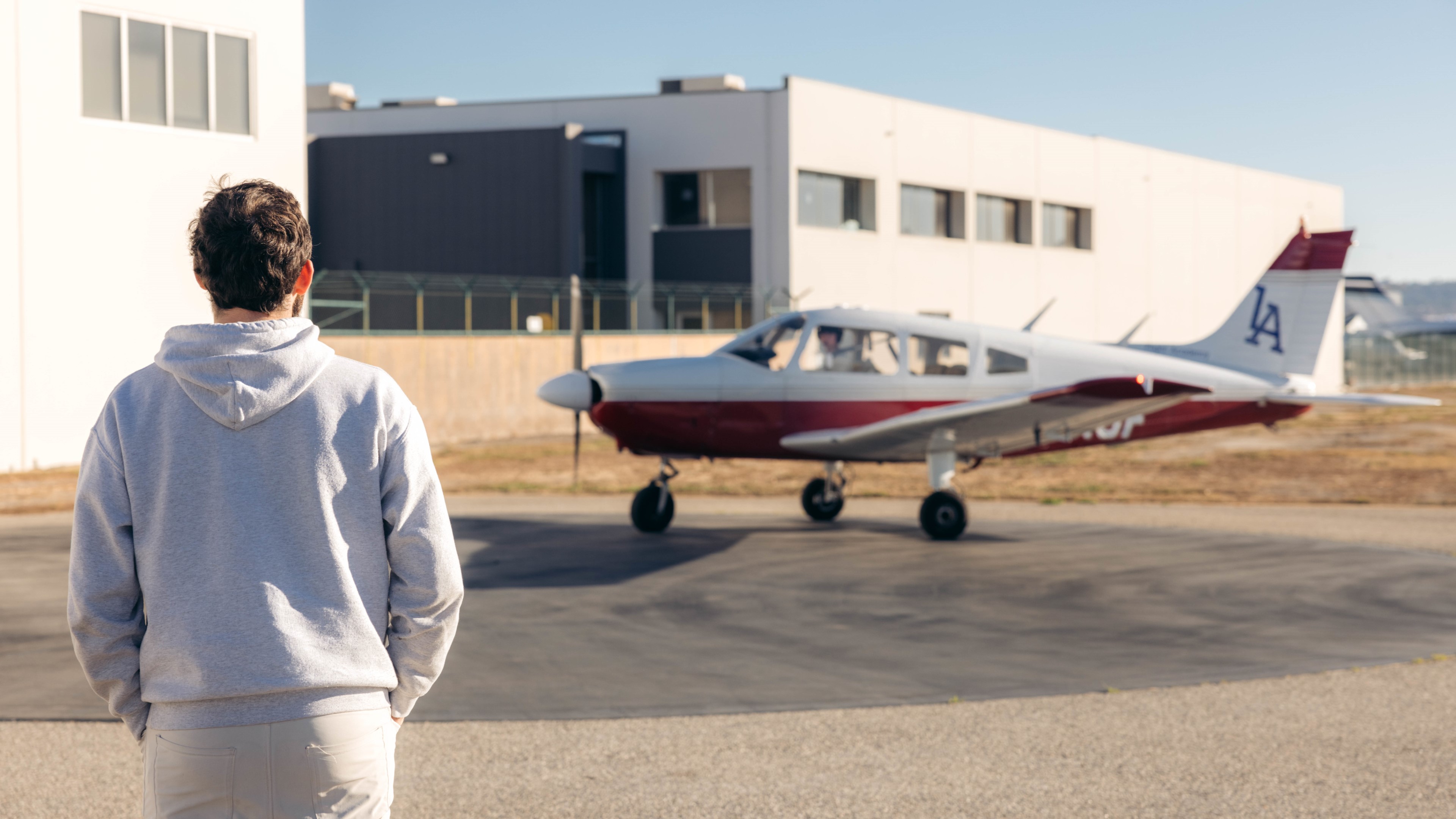
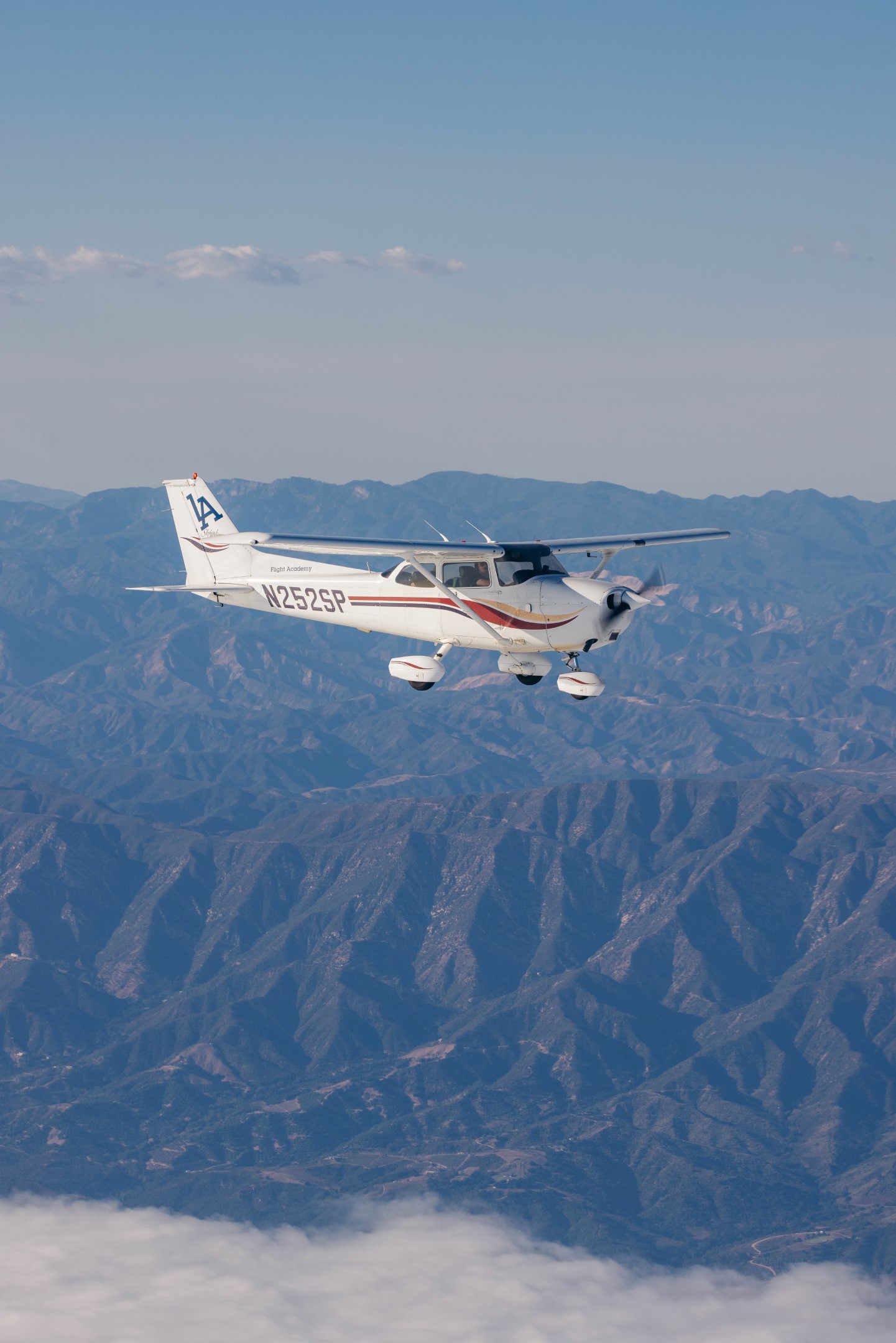
A well-maintained, diverse fleet ensures you train consistently. At LA Flight Academy, we operate a modern fleet of Cessna and Piper aircraft, including:
- Cessna 172S (N5148V): Ideal for private pilot and instrument training ($185/hour wet, or $175/hour block).
- Piper Archer II (N4409X): Excellent for instrument training and cross-country time-building ($190/hour wet, or $180/hour block).
- Cirrus SR20 GTS (N219EL): A Technically Advanced Aircraft (TAA) perfect for commercial pilot requirements ($205/hour wet, or $195/hour block).
Every aircraft is serviced by professional technicians to exceed FAA safety regulations, guaranteeing that your plane is safe and ready when your training block begins.
2. Checkride Pass Rates and Graduate Success
The true measure of any training program is its results. High-quality instruction must translate directly into licensing success.
When evaluating schools, ask for concrete pass rate statistics and graduate numbers:
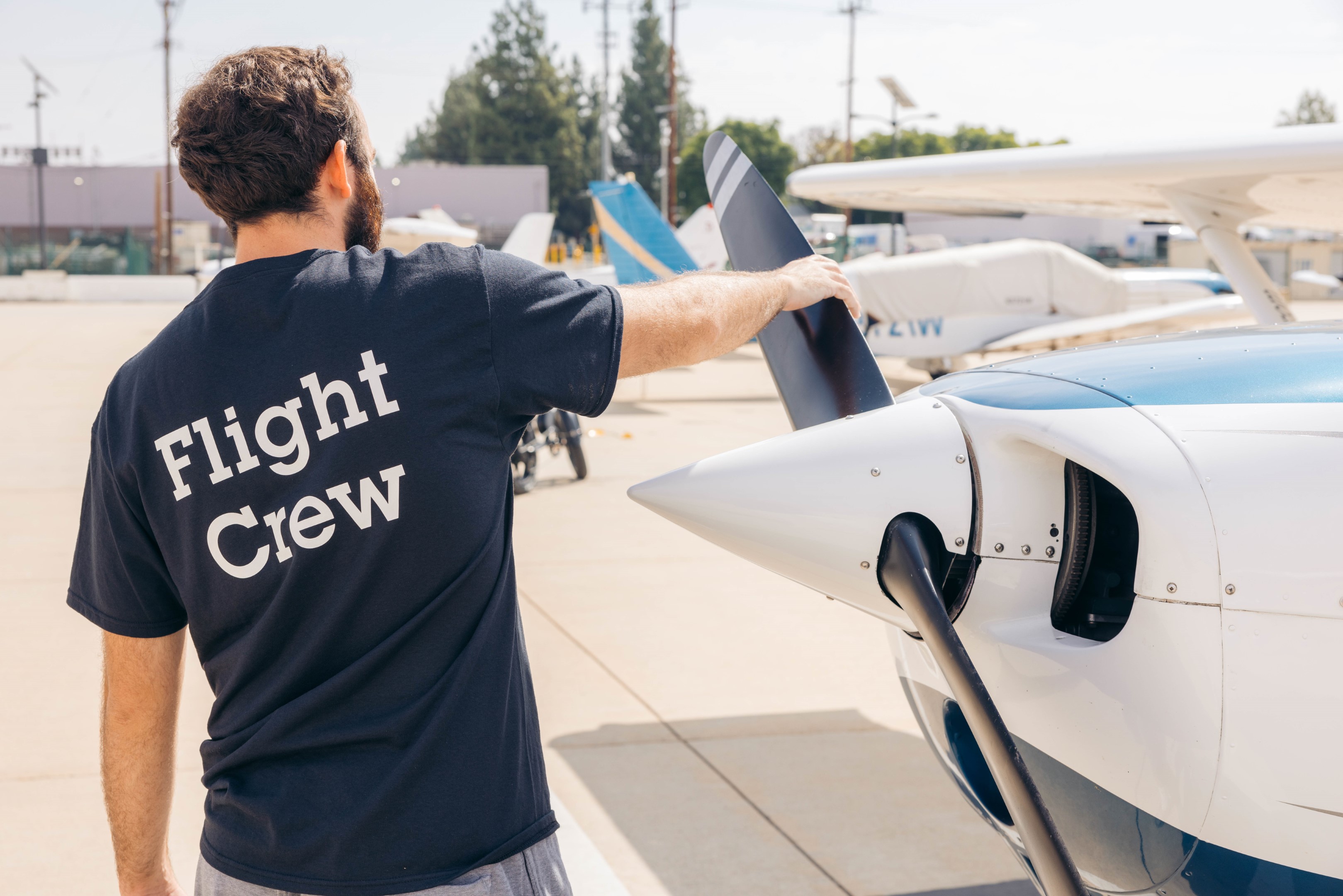
- Our Proof: We maintain a 100% checkride pass rate due to our rigorous pre-checkride evaluations and mock exams.
- Our Authority: Over 1,000 graduates have successfully completed their pilot training with us and transitioned to commercial careers or personal flying.
- DPE Relationships: We maintain excellent professional relationships with Designated Pilot Examiners (DPEs), which makes scheduling your checkride simple and reduces the typical multi-month wait times.
3. Instructor Matching and Personality Compatibility
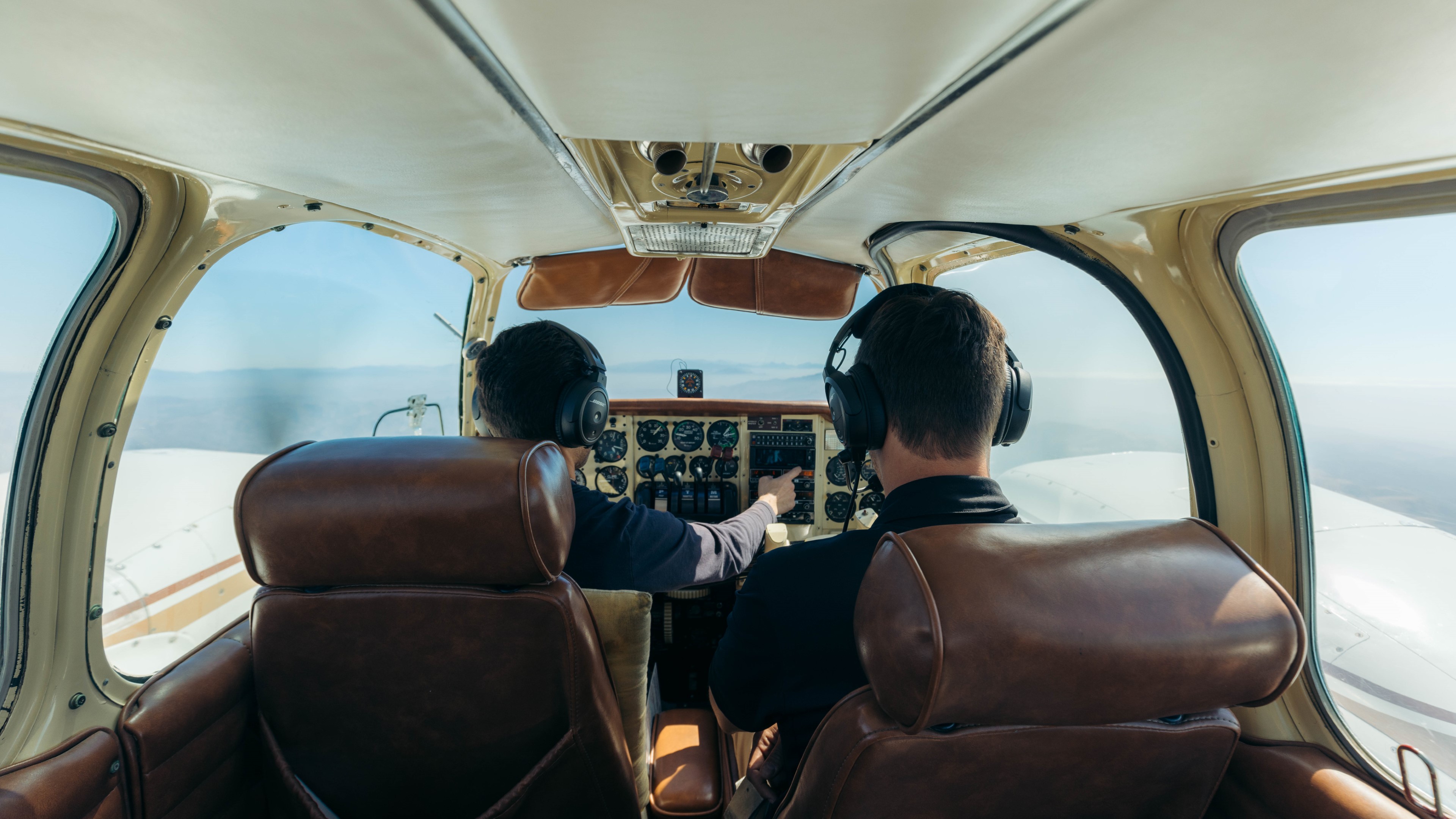
Flight training is highly personal. You will spend dozens of hours in a small cockpit with your flight instructor. A mismatched learning style can lead to training frustration, wasted time, and unnecessary costs.
Rather than assigning instructors randomly, look for a school that pairs you based on your learning pace, personality, and career goals. Whether you want to fly recreationally or are fast-tracking a career to the airlines, having a mentor who understands your specific stakes makes training both exciting and rewarding.
4. Scheduling Flexibility and Part 61 Advantages
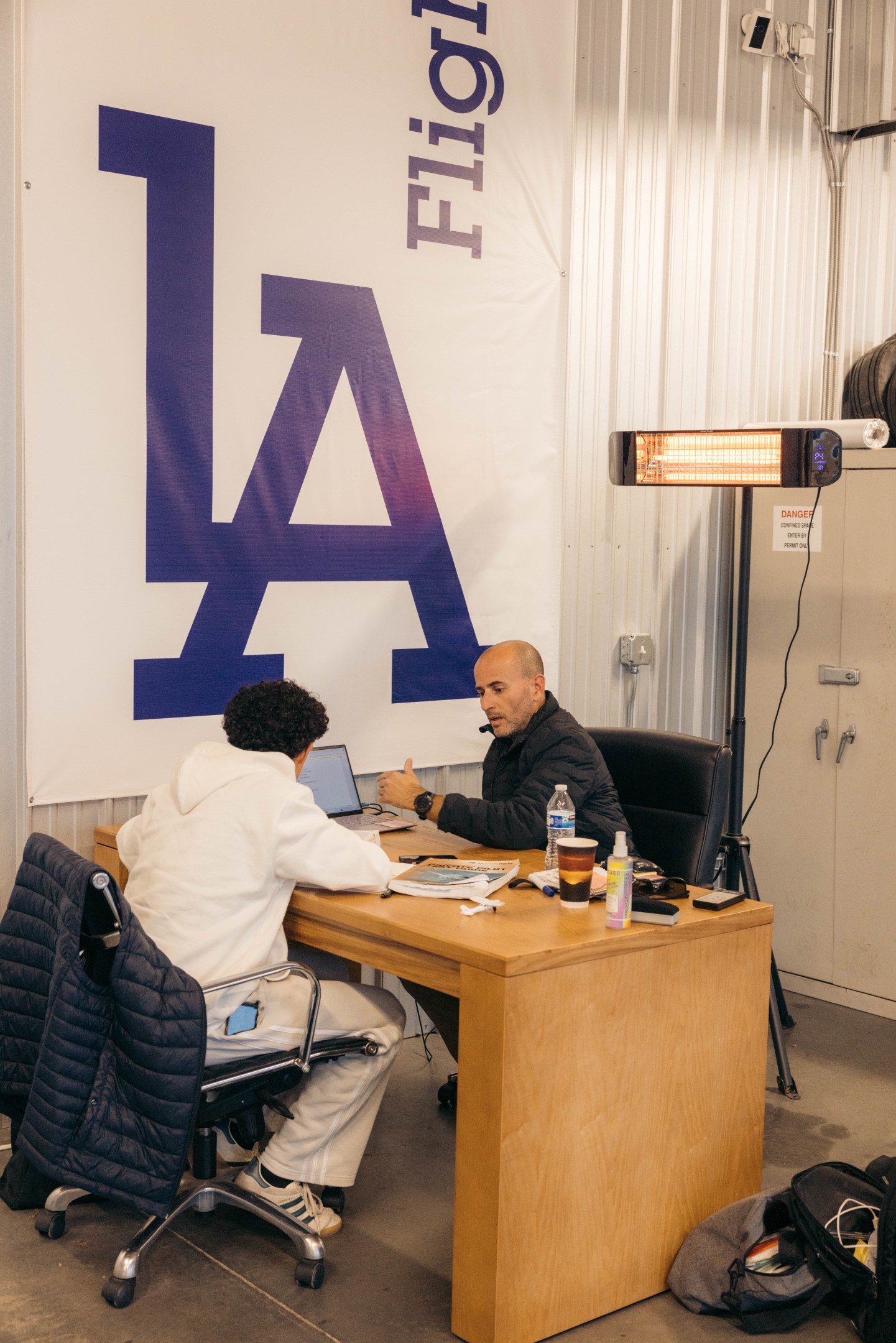
If you are balancing flying lessons with a job, family, or other commitments, a rigid flight syllabus will cause training delays. Under FAA Part 61 rules, your training adapts to your schedule, allowing you to learn at your own pace.
We operate Monday through Sunday from 8:00 AM to 9:00 PM to accommodate busy schedules. You can train full-time or part-time, adjusting your training blocks as your week permits. Our structured phase checks ensure that even with a flexible schedule, your progression remains steady and organized.
5. Transparent Pricing and Financing Options
Training costs are the primary friction point for new student pilots. A reputable school must provide complete pricing transparency without hidden fuel surcharges or administrative fees.
To help you manage your investment, we offer block-rate discounts and partner with top aviation lenders:
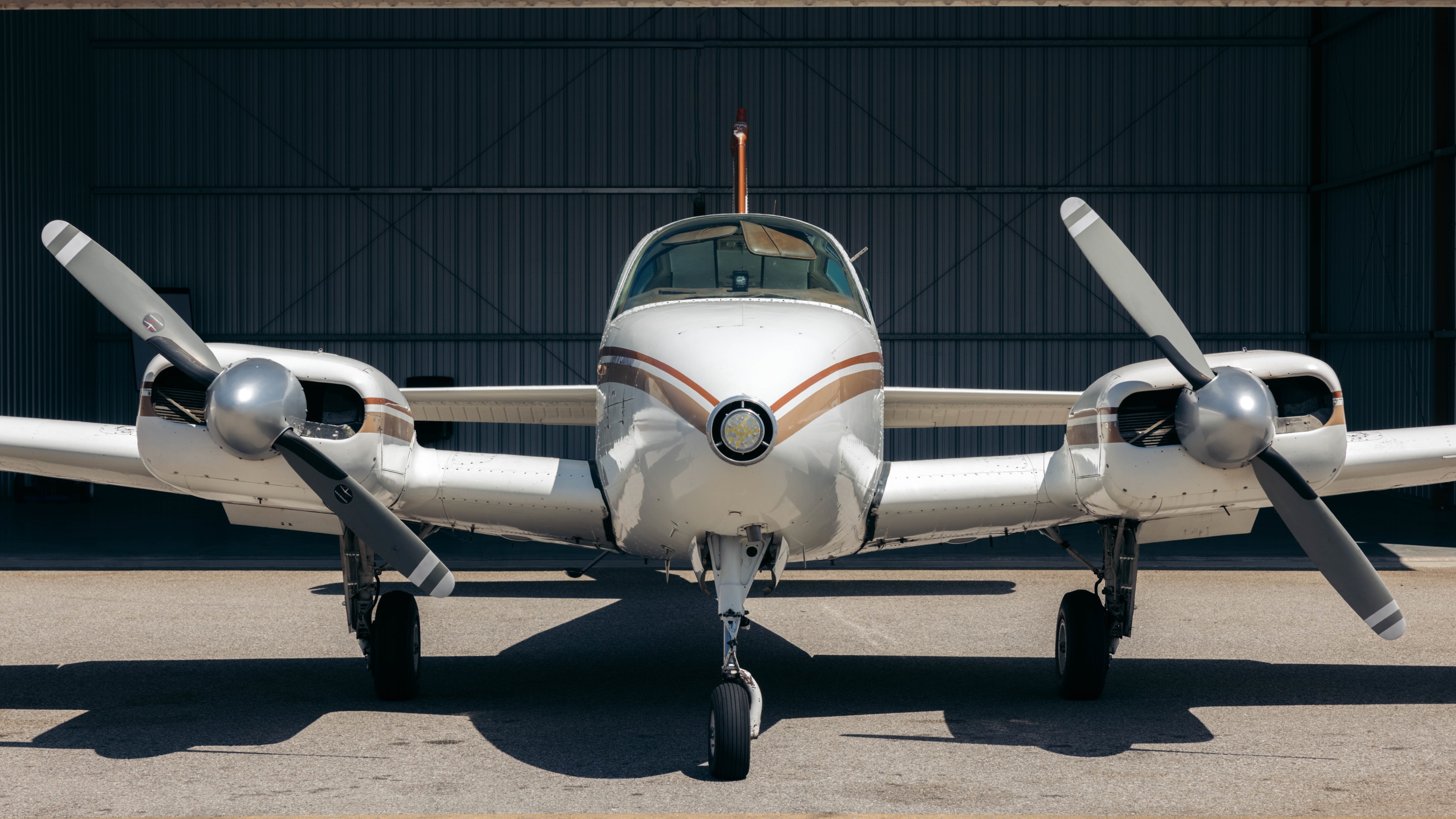
- Block Rates: Purchasing a 10-hour flight block saves you $10 per hour on our single-engine training aircraft, and $30 per hour on the Beechcraft twin.
- Financing Partners: We partner with Stratus Financial and Flight Training Finance to offer flexible student loans that cover your entire training cost, allowing you to fly consistently without pausing for budget reasons.
If you have more questions about starting your training, check out our dedicated Flying Lessons Van Nuys FAQ or reach out to our team to book your initial discovery flight.