Mastering Asymmetric Thrust in Multi-Engine Flight Training
Published by:
Anthony N.
Published on:
Read time:
7 min read
Stepping up from a single-engine trainer to a twin-engine aircraft is one of the most exciting milestones in your pilot career. Pushing two throttles forward and feeling 520 total horsepower pull you down the runway is an unmatched experience.
However, earning a Multi-Engine Rating is not just about flying faster or carrying more weight. The core of all multi-engine flight training focuses on safety: learning to manage the airplane when one of those power plants stops working. The physical and aerodynamic forces that occur during an engine failure are known as asymmetric thrust, and mastering them is what makes you an elite, safe, and highly employable aviator.
The Aerodynamics of Asymmetric Thrust
When both engines are running perfectly, a twin-engine plane is incredibly stable. But if one engine fails, the aerodynamics change instantly. The working engine continues to pull the plane forward, while the dead engine produces massive drag. This imbalance creates two primary forces:
- Yaw: The active engine pushes the nose of the aircraft toward the dead engine.
- Roll: The airflow from the active engine creates more lift on its wing, causing the airplane to roll toward the dead engine.
If you do not respond quickly with proper rudder and aileron inputs, the aircraft can enter an uncontrollable spiral.
The Performance Loss Reality: 50% vs. 80%
One of the most critical concepts you will learn during your multi-engine rating training is the difference between power loss and performance loss.
- Power Loss: Losing one engine is a 50% reduction in total power.
- Performance Loss: Because of the drag of the dead engine and the windmilling propeller, you actually experience an 80% to 90% loss in climb performance.
This performance drop is why multi-engine pilots must react with absolute precision. Your training will teach you to immediately identify the failed engine, verify the failure, and feather the propeller to eliminate drag.
Vmc and the Critical Engine
Your oral exam and flight test will evaluate your understanding of Vmc (minimum control speed with the critical engine inoperative). Vmc is not a fixed number; it changes based on aircraft configuration and environmental conditions.
- Critical Engine: In most light twins with conventional propellers (both rotating clockwise), the left engine is critical. Because of P-factor (asymmetrical thrust on the individual propeller blades), a failure of the left engine creates a much stronger yawing force than a failure of the right engine.
- Vmc Factors: Air density, weight, center of gravity, flap settings, and landing gear position all affect Vmc. We will teach you how to manage these variables so you always maintain a wide safety margin.
Training in the Beechcraft 95-A55 Baron
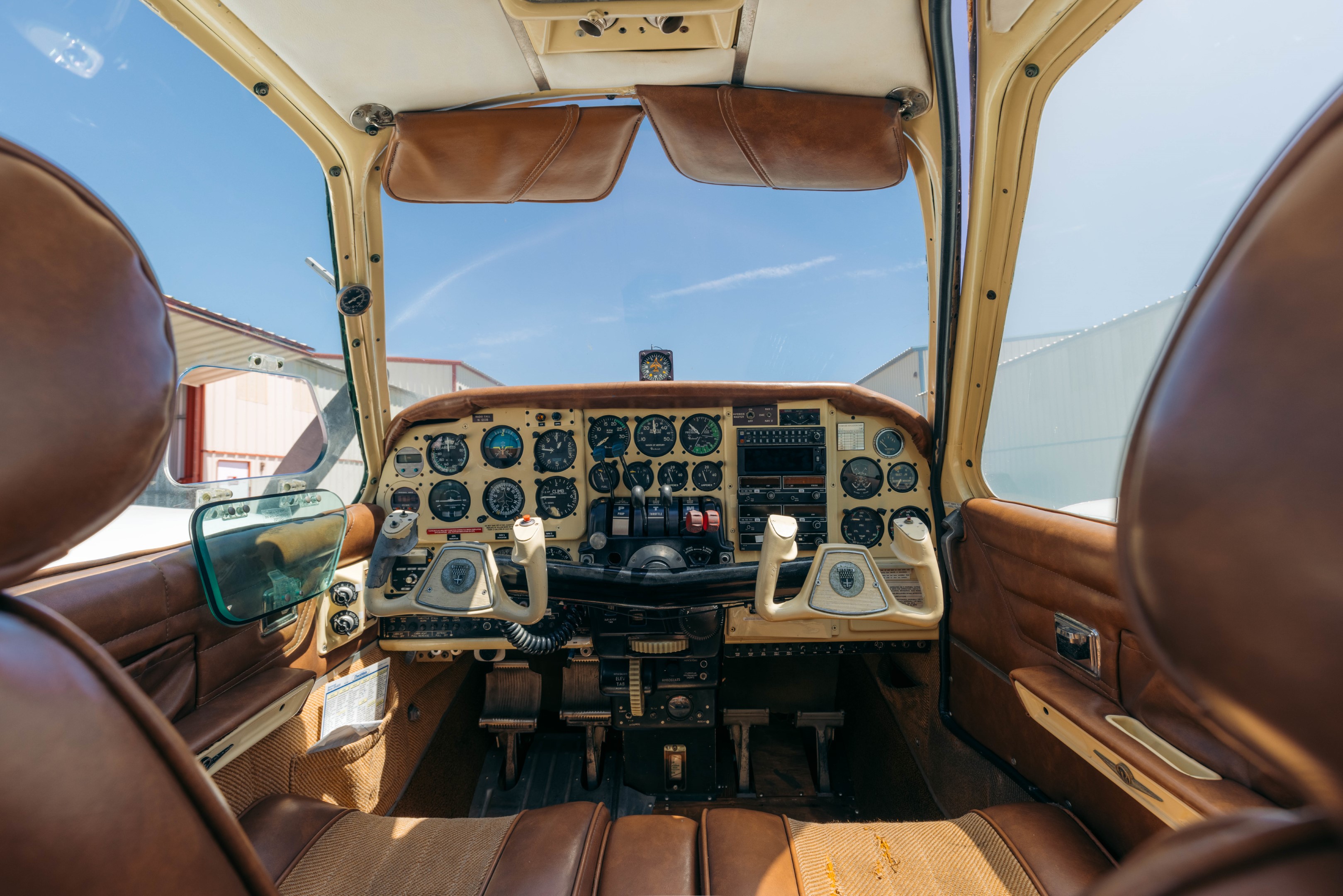
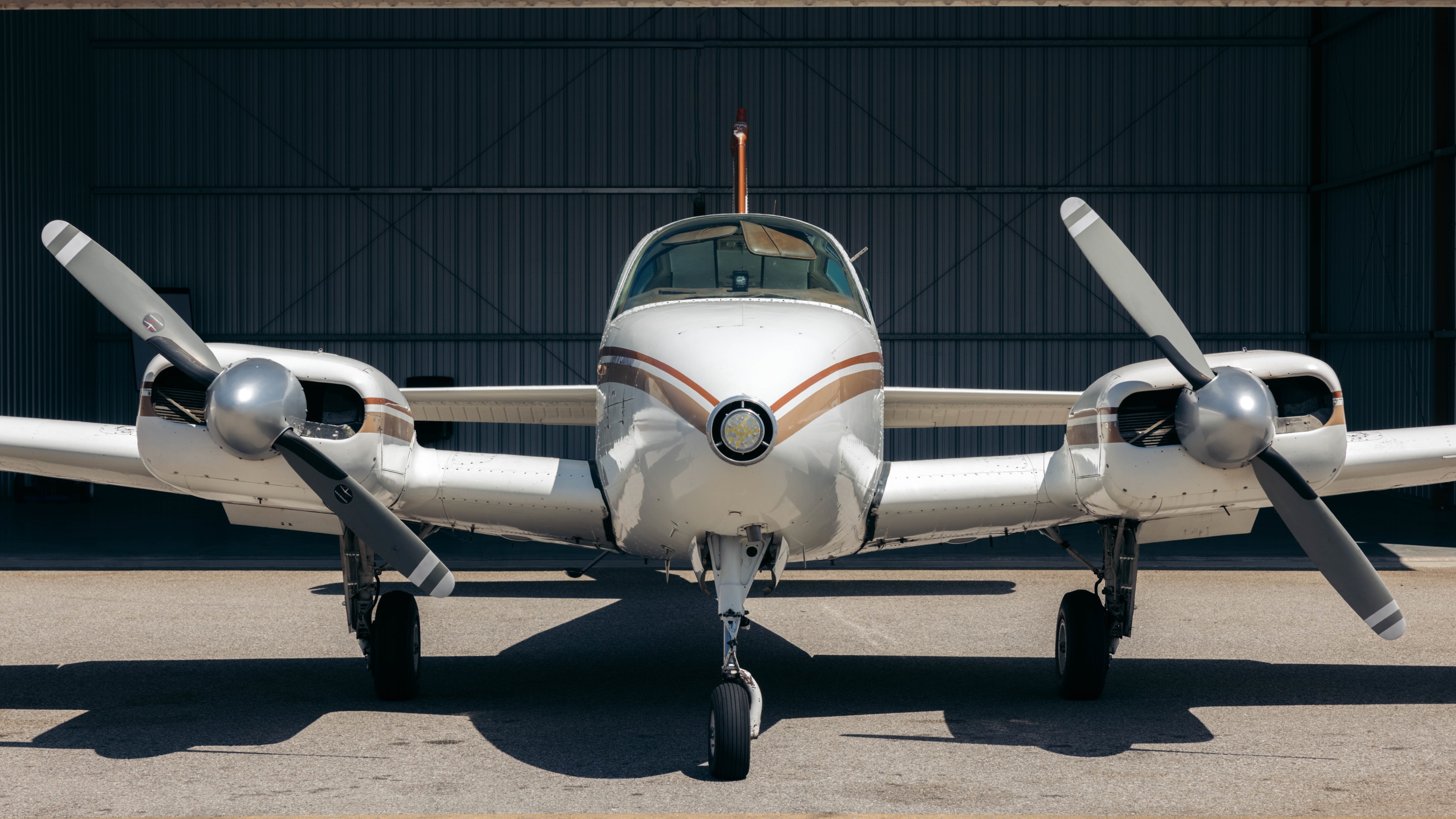
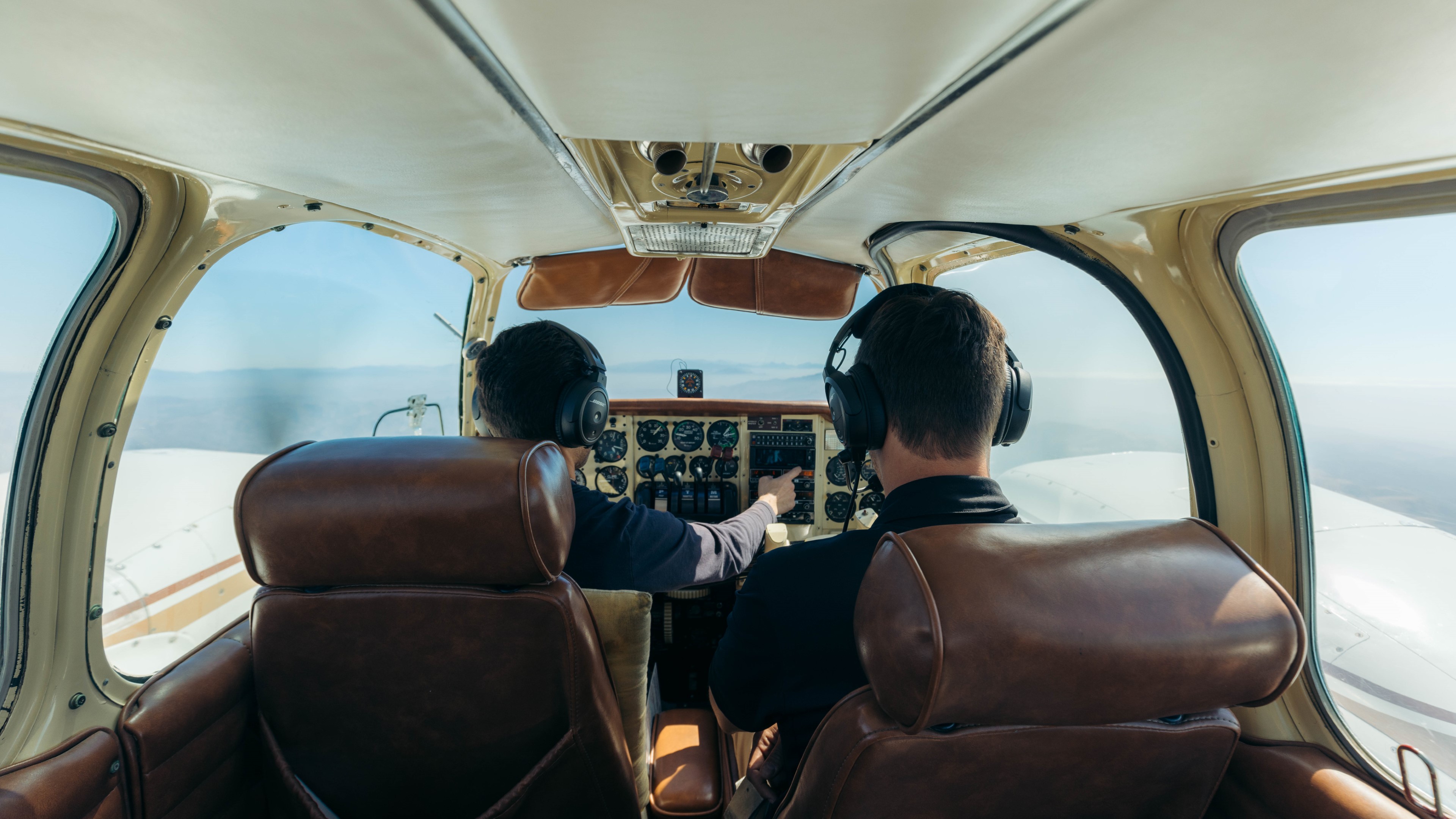
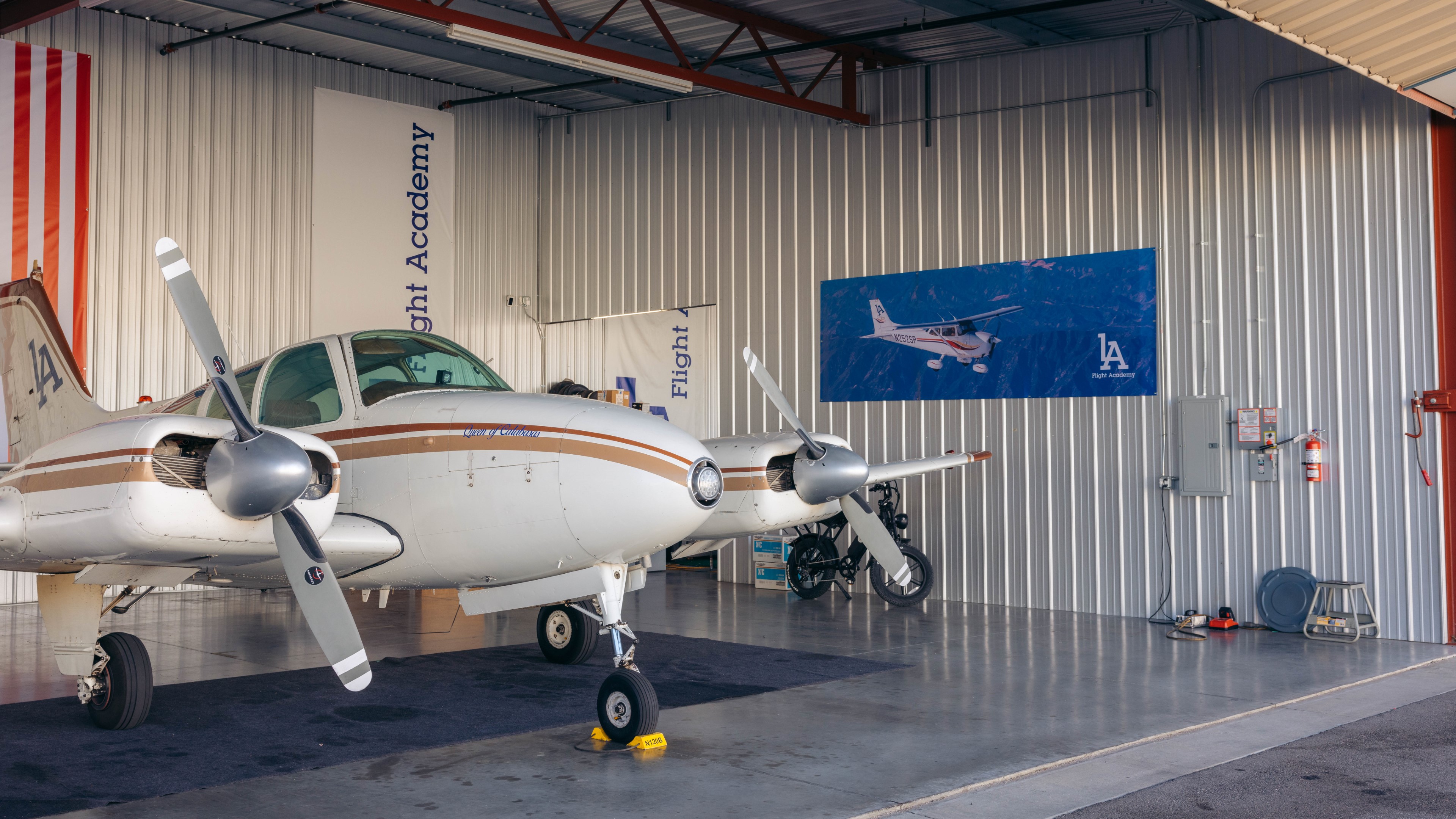
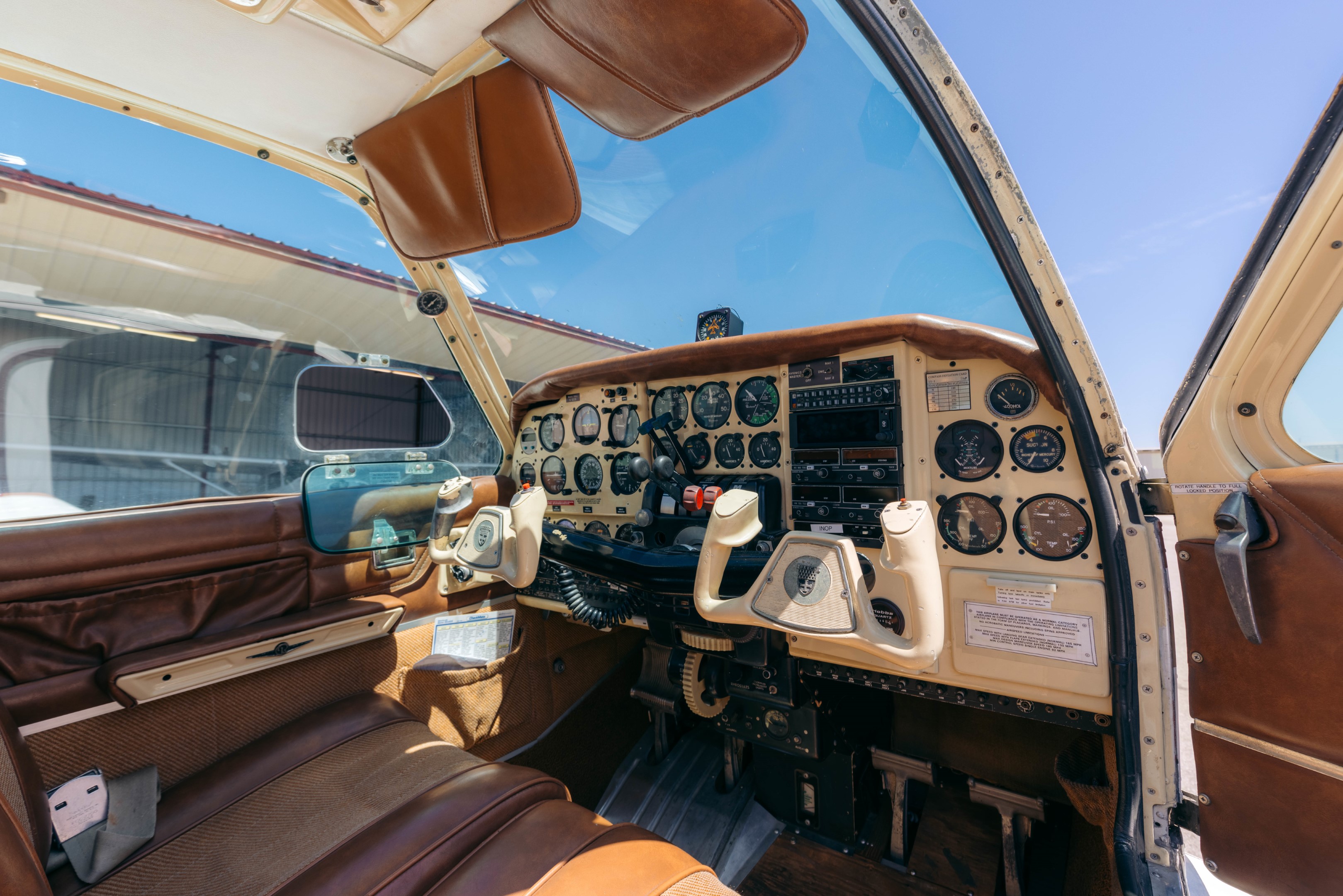
At LA Flight Academy, your twin-engine training takes place in our Beechcraft 95-A55 Baron. Equipped with twin fuel-injected engines producing 260 horsepower each, it provides a realistic, high-performance platform.
| Aircraft Model | Engine Power | Hourly Wet Rate | Hourly Block Rate | Endorsements Earned |
|---|---|---|---|---|
| Beechcraft 95-A55 Baron | 260 HP per engine | $390/hour | $360/hour (10-hour block) | Multi-Engine, Complex, High-Performance |
Training in our Baron allows you to earn three separate FAA endorsements in a single checkride, making your flight hours highly cost-effective.
Accelerated Path to Your Rating
We structure our twin-engine program under Part 61 rules to match your personal pacing. For full-time students, our accelerated multi-engine rating program averages just 1.5 weeks to completion.
If you are concerned about funding your advanced training, our partners at Stratus Financial and Flight Training Finance provide flexible financing options to keep your training moving forward.
To learn more about checkride standards and prerequisites, review our Multi-Engine Rating FAQ or contact our training advisors to schedule your first flight block.