Become a Flight Instructor in Van Nuys 2026 Guide

Published by:
Anthony N.
Published on:
Updated on:
Read time:
8 min read
If you want to become a flight instructor in Van Nuys in 2026, the short answer is this: you generally need a commercial pilot certificate or ATP certificate with the right category and class privileges, the required knowledge-test preparation, CFI ground and flight training, instructor endorsements, and a passing practical test.
But the real shift is not paperwork. It is mindset. CFI training turns you from a pilot who can perform maneuvers into a pilot who can teach, brief, evaluate, correct, and manage risk while another person is learning.
At LA Flight Academy, CFI training is built around that transition. The goal is not only to help you prepare for the FAA practical test. It is to help you become the kind of instructor a new pilot can trust.
What a CFI Certificate Actually Lets You Do
CFI stands for Certified Flight Instructor, but the more precise FAA language is flight instructor certificate. It is not a “CFI license.”
A CFI may provide ground training, flight training, and endorsements within the limits of that instructor’s certificate and ratings. That last phrase matters. A flight instructor certificate does not automatically let you teach every type of flying.
For example, instrument instruction has its own requirements. Multi-engine instruction has its own qualifications. Additional instructor privileges, such as instrument instructor privileges or MEI, can expand the type of students and training you may support.
That is why your first CFI decision should be specific:
| Your goal | What to clarify before training |
|---|---|
| Teach primary airplane students | Which airplane category/class instructor rating you are pursuing |
| Teach instrument students | Whether you need instrument instructor privileges |
| Teach multi-engine students | Whether MEI is part of your future plan |
| Build experience toward professional pilot goals | How instructing fits into your broader path, without assuming a guaranteed job |
Becoming a CFI can support a professional pilot path, but employment and airline eligibility are separate milestones.

FAA CFI Requirements in Plain English
Under current Part 61 rules, a flight instructor applicant generally must be at least 18 years old, be able to read, speak, write, and understand English, and hold a commercial pilot certificate or ATP certificate with the category and class rating appropriate to the instructor rating sought.
Most initial CFI applicants should also plan for:
- Fundamentals of Instructing, often called FOI, unless an FAA exception applies.
- The aeronautical knowledge test appropriate to the flight instructor rating sought.
- Ground and flight training from an authorized instructor.
- Logbook endorsements showing you are prepared for the practical test.
- A CFI practical test, commonly called a checkride.
You can review the FAA’s current flight instructor eligibility rule in 14 CFR 61.183.
The key phrase is for the rating sought. Do not assume that one set of requirements covers every CFI path. The exact details depend on whether you are pursuing airplane single-engine, airplane multi-engine, instrument instructor privileges, or another instructor rating.
The Step Most Pilots Underestimate: Learning to Teach
Many strong pilots struggle at first because CFI training is not just advanced flying. It is teaching under pressure.
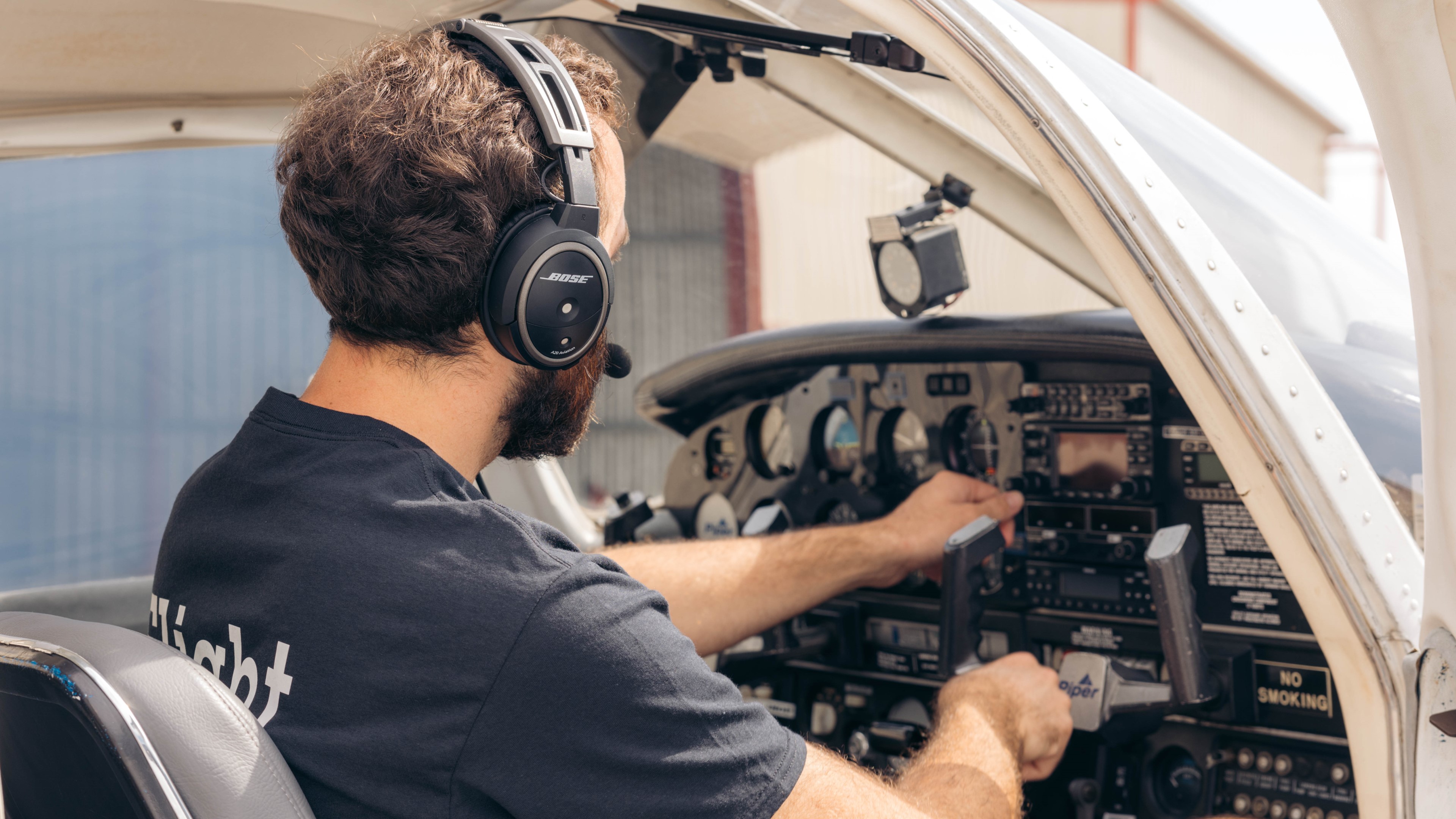
You must learn how to explain a maneuver before the flight, demonstrate it clearly, let the student try, spot errors early, correct without taking over too soon, and debrief in a way the student can actually use.
LA Flight Academy’s CFI program focuses on:
- Instructional technique.
- Advanced aerodynamics and FAA regulations.
- Preflight briefings.
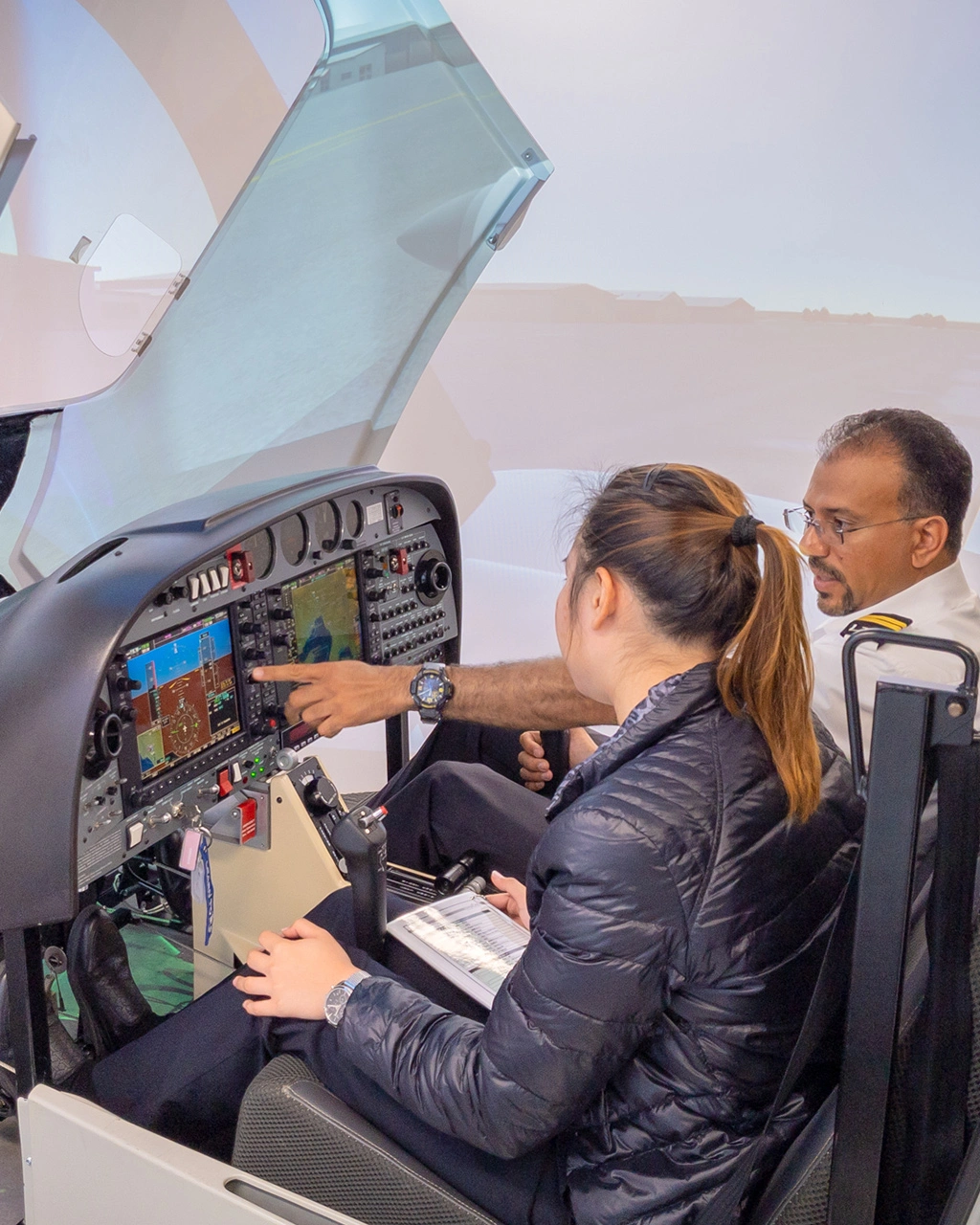
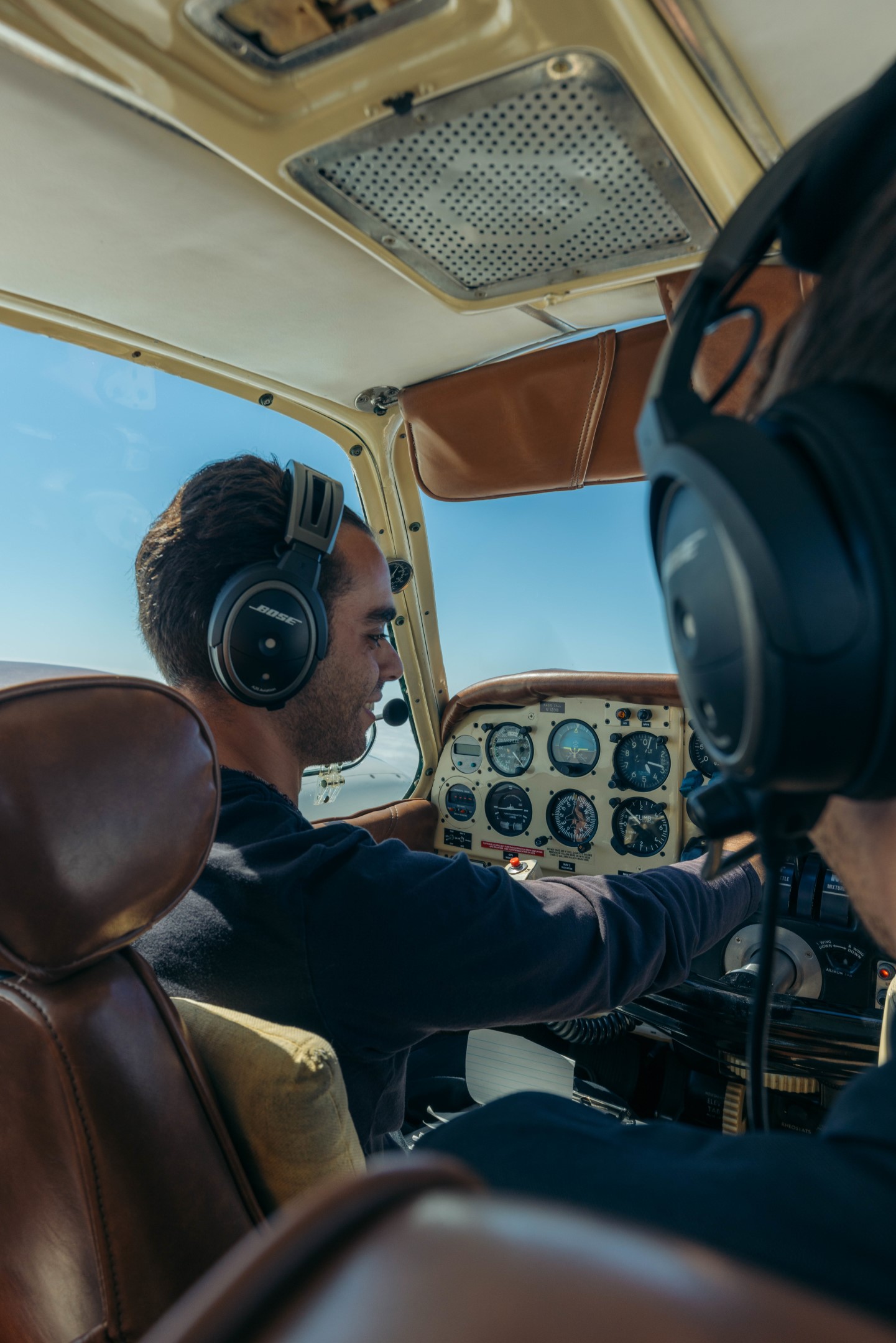
- Teaching maneuvers from the right seat.
- Evaluating different student personalities and learning styles.
- Practical-test preparation with mock exams and detailed feedback.
That structure matters because your future students will not all learn the same way. Some will need a visual explanation. Some will need repetition. Some will freeze when the radios get busy. Your job is to keep the lesson safe, clear, and useful without turning the cockpit into a lecture.
What the CFI Checkride Tests
The CFI practical test is different from earlier checkrides because you are not only proving that you can fly. You are proving that you can teach.
A practical test commonly includes an oral evaluation and a flight or instructional demonstration portion. For CFI, expect the examiner to look closely at how you explain topics, organize lessons, manage risk, and correct errors.
Under 14 CFR 61.187, CFI applicants receive ground and flight training on the applicable areas of operation for the instructor rating sought. For an airplane single-engine CFI rating, those areas include fundamentals of instructing, technical subject areas, preflight preparation, lesson planning, airport operations, takeoffs and landings, maneuvers, basic instrument maneuvers, emergency operations, and postflight procedures.
That sounds like a lot because it is. The way to manage it is to stop thinking in terms of memorizing answers and start thinking in terms of teaching a complete lesson.
Before you take the practical test, ask yourself:
- Can you explain the maneuver in simple language?
- Can you teach the common errors?
- Can you connect the maneuver to real-world risk?
- Can you recover when the lesson does not go perfectly?
- Can you debrief without overwhelming the student?
LA Flight Academy’s CFI page says candidates prepare with mock exams, detailed feedback, and extensive practice. That kind of repetition helps because the CFI checkride rewards organized teaching, not just raw flying skill.
Spin Training and CFI Preparation
For airplane or glider CFI applicants, spin-awareness, spin-entry, spin, and spin-recovery training and endorsement are required under 14 CFR 61.183(i).
This is a claim that needs careful wording. Spin training should not be used as hype or fear. It is a specific training requirement and a serious instructional topic. The rule also matters because the training must be done in an aircraft certificated for spins.
Before scheduling, ask the school:
- Which aircraft is used for spin training?
- Is that aircraft certificated for intentional spins?
- How is the spin endorsement integrated into the CFI training plan?
This protects your time and keeps your training plan aligned with the FAA requirement.
Why Train for CFI in Van Nuys?
CFI candidates need more than quiet practice. They need to become comfortable teaching while managing real cockpit workload.
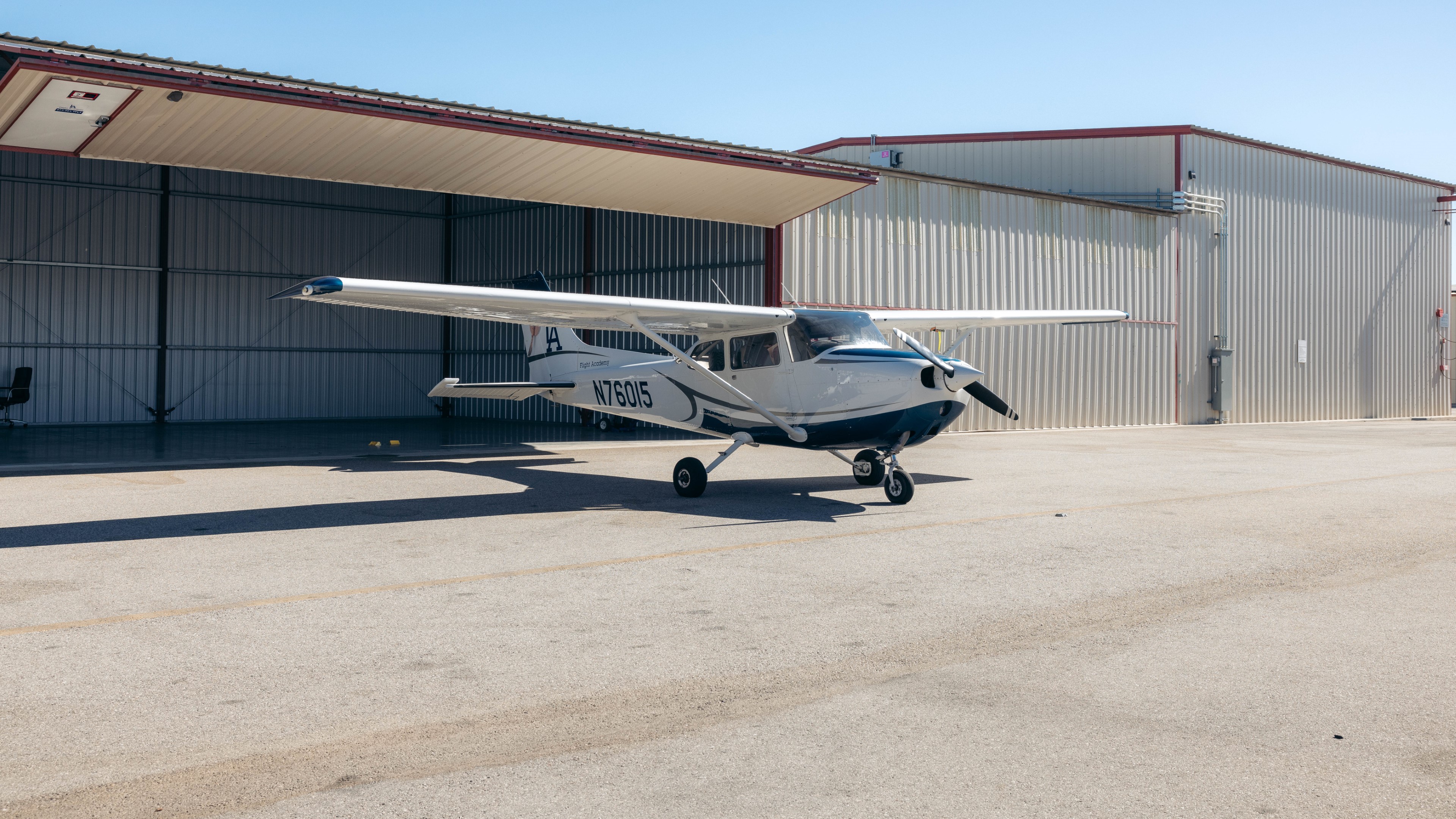
LA Flight Academy is located at Van Nuys Airport, serving pilots across the Los Angeles area. Training at Van Nuys can give CFI candidates practice in a towered-airport environment with real ATC communication. That is useful because future instructors must be able to teach clearly while still managing procedures, radio calls, traffic awareness, and student workload.
Use that local environment the right way. Do not treat it as a badge. Treat it as a training tool.
If you are preparing to teach at a busy airport, you need to be able to:
- Brief radio expectations before taxi.
- Let the student learn without letting the airplane get ahead of the lesson.
- Decide when to coach and when to take control.
- Teach pattern discipline without rushing.
- Debrief communication mistakes calmly and specifically.
Those skills transfer beyond Van Nuys because the mechanism is the same anywhere: clear instruction, sound judgment, and disciplined cockpit management.
CFI as a Career Step: Useful, Not Guaranteed
Many career-track pilots use flight instruction as one way to build experience after commercial certification. It is common because instructing keeps you flying, sharpens your knowledge, and forces you to explain aviation instead of only performing it.
But it is not automatic employment. A CFI certificate does not guarantee a job at LA Flight Academy or anywhere else. Hiring depends on school needs, qualifications, availability, insurance requirements, soft skills, and local demand.
It also does not guarantee an airline job. Airline eligibility and airline hiring are separate milestones. Many airline-track pilots build toward ATP eligibility, often summarized as 1,500 hours, but exact ATP requirements include age, training, testing, and specific flight experience.
That distinction protects you from bad planning. CFI can be a strong next step, but it should sit inside a broader plan:
| Career question | Why it matters |
|---|---|
| Do you want to teach, or only build time? | Students need instructors who care about teaching, not only logbook growth. |
| Are you willing to study deeply? | Teaching exposes weak knowledge quickly. |
| Can you communicate under workload? | The cockpit is a poor place for unclear explanations. |
| Do you understand hiring is separate? | A certificate supports eligibility, but employers make hiring decisions. |
| Are you planning CFII or MEI later? | Additional instructor privileges may broaden what you can teach. |
What Changed for CFI Currency in 2026
If you are reading older CFI articles, watch the wording around expiration.
Current Part 61 uses recent-experience requirements for exercising flight instructor privileges. Under 14 CFR 61.197, a person may exercise flight instructor privileges only if, within the preceding 24 calendar months, that person has satisfied one of the listed recent-experience requirements.
That is more precise than saying “your CFI certificate expires every 24 months.” For a 2026 guide, use the current language: CFI privileges require meeting FAA recent-experience requirements within the preceding 24 calendar months.
You can review the rule in 14 CFR 61.197.
This matters because becoming a CFI is not a one-time knowledge dump. If you want to keep instructing, you need to stay current under FAA rules and keep your teaching sharp.
What to Ask Before You Enroll in CFI Training
Before you choose a CFI program, ask practical questions. They will tell you more than a headline ever will.
- Which instructor rating are you preparing me for?
- What written tests should I complete before starting?
- How do you structure lesson-plan preparation?
- How much right-seat practice is included?
- How do mock oral exams work?
- Which aircraft will be used?
- If spin training is needed, which spin-certificated aircraft is used?
- What costs are fixed, and what costs vary?
- What can delay training or checkride scheduling?
- Is there any hiring pathway after certification, and what are the current requirements?
The strongest answer is not always the fastest answer. You want a program that is honest about readiness, costs, scheduling, and checkride preparation.
FAQ
What certificate do you need before CFI training?
You generally need a commercial pilot certificate or ATP certificate with category and class privileges that match the flight instructor rating you want. The exact requirement depends on the rating sought.
Do CFI applicants need an instrument rating?
For many airplane CFI paths, instrument rating requirements matter. The exact requirement depends on whether you are applying for airplane single-engine, multi-engine, powered-lift, or instrument instructor privileges. Confirm the requirement for your specific CFI goal.
Is CFI training just flying from the right seat?
No. Right-seat flying is part of the transition, but CFI training is mainly about learning to teach. You must brief lessons, explain maneuvers, evaluate performance, manage risk, and debrief clearly.
Does becoming a CFI guarantee a job?
No. Becoming a CFI can support a professional pilot path, and flight instruction is a common way to build experience, but employment is a separate hiring decision.
Do CFI certificates expire every 24 months?
Use more precise 2026 wording. Current Part 61 says flight instructors must meet recent-experience requirements within the preceding 24 calendar months to exercise CFI privileges.
Is spin training required for CFI?
For airplane or glider CFI applicants, spin-awareness, spin-entry, spin, and spin-recovery training and endorsement are required under 14 CFR 61.183(i). The aircraft used for that training must be certificated for spins.
Ready to Start CFI Training in Van Nuys?
If your next step is becoming a flight instructor, start with the Certified Flight Instructor program at LA Flight Academy.
Bring your current certificate, ratings, recent flight experience, written-test status, and career goals. The better your starting picture, the easier it is to build a focused CFI plan that prepares you to teach, brief, evaluate, and grow as a professional pilot.