Will AI Replace Pilots? What Every Aspiring Aviator Needs to Know in 2026
Published by: LA Flight Academy Team
You see headlines about self-driving cars, automated warehouses, and AI systems that can write code, generate art, and hold a conversation. So it’s a completely fair question to ask: will AI replace pilots?
When you’re considering investing years of your life and significant money into a career, you deserve a straight answer not corporate reassurance. Here it is: no. AI is not replacing pilots, and the data backs that up. Boeing’s 2023 Pilot & Technician Outlook projects a need for nearly 650,000 new pilots worldwide over the next 20 years. Airlines aren’t quietly winding down their hiring pipelines. They’re expanding them.
Here’s exactly why and what it means for your career.
Technology as Your Co-Pilot, Not Your Replacement
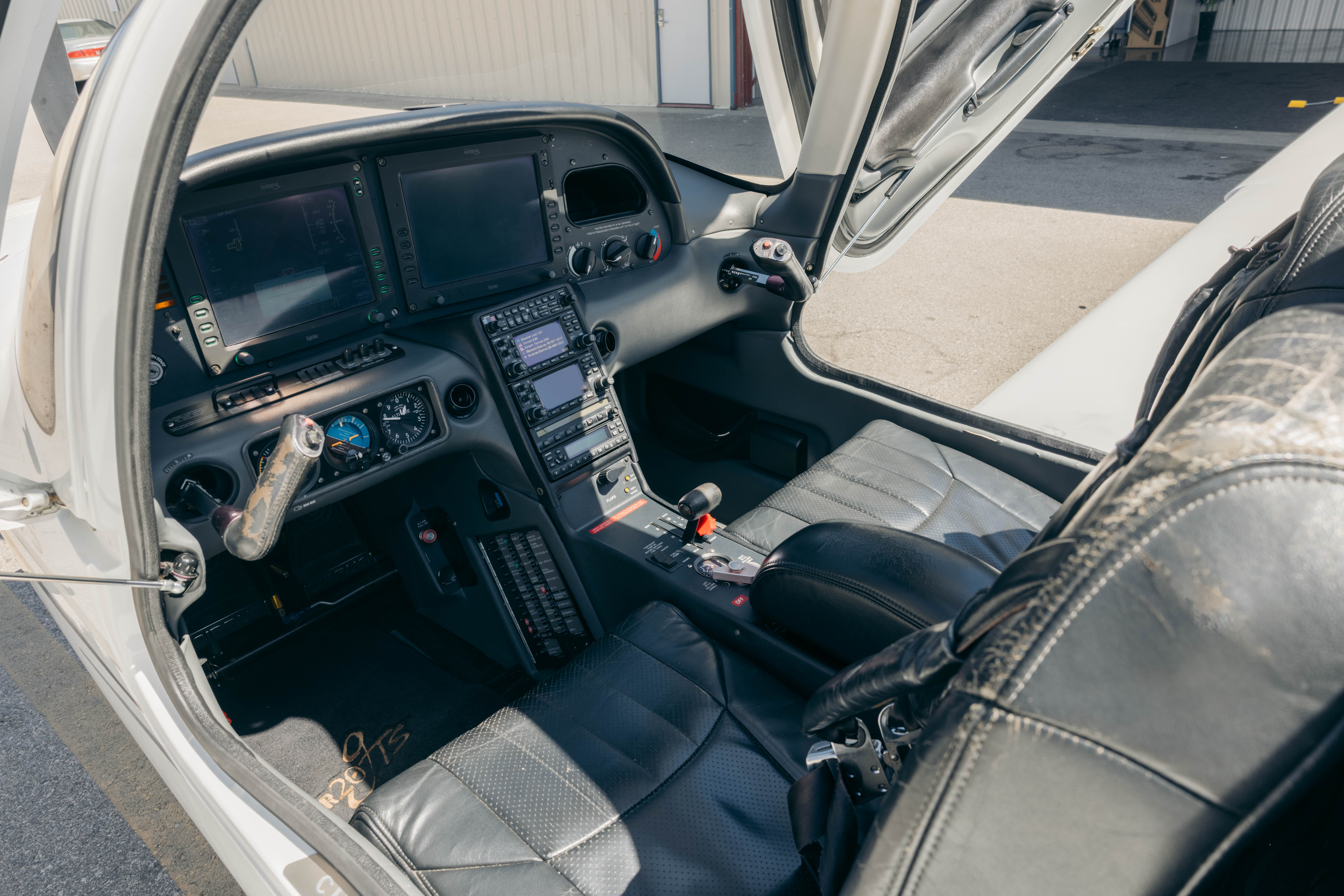
Artificial intelligence in aviation isn’t a new threat. It’s a tool that’s been in cockpits for decades, and it’s made flying significantly safer. The modern aircraft you’ll train in at LA Flight Academy reflect this reality. Our Cirrus SR20 GTS is a Technically Advanced Aircraft (TAA) with an Avidyne Primary Flight Display, dual Garmin 430 GPS units, and a sophisticated autopilot system.
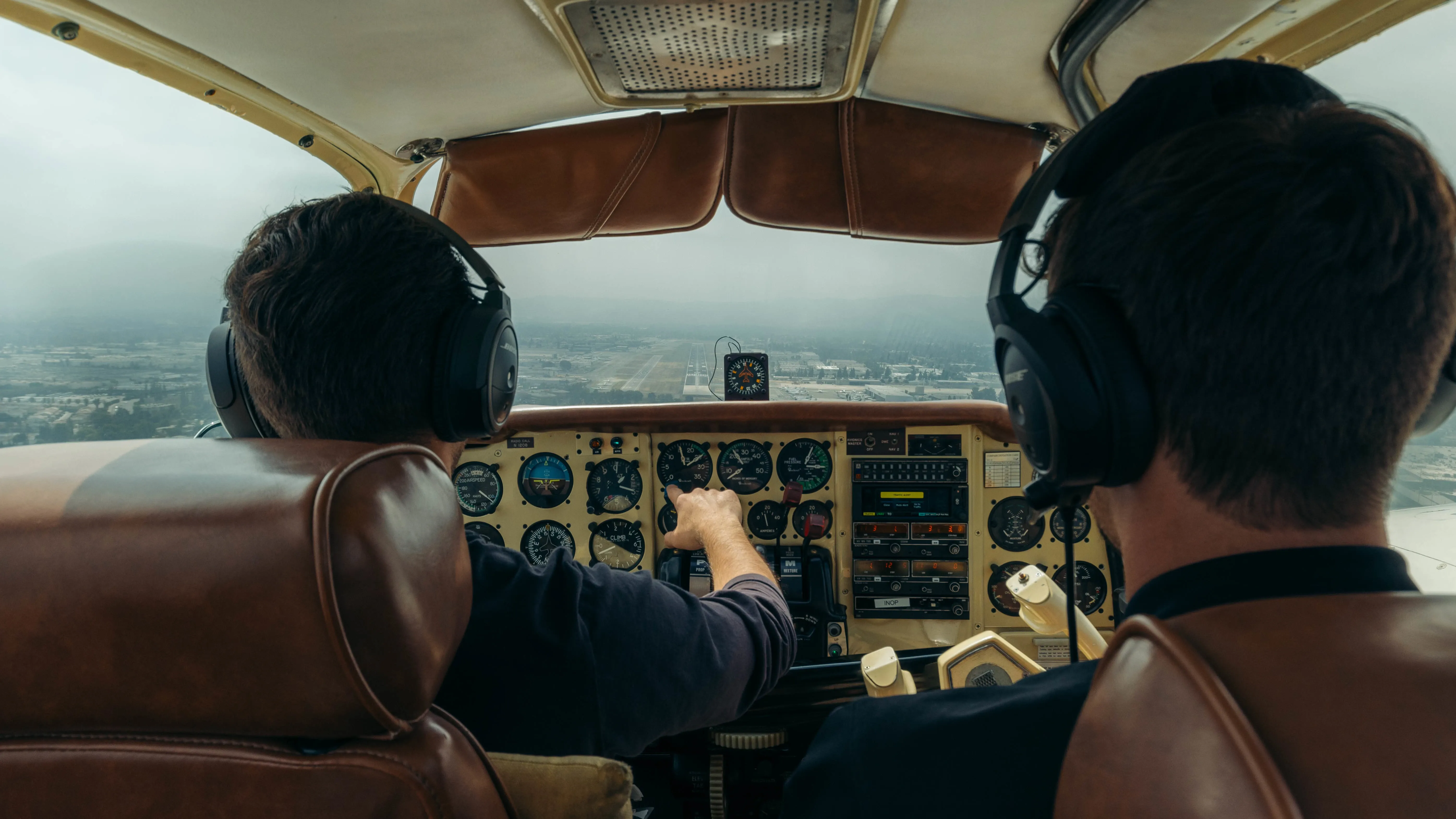
None of that means the plane flies itself. Pilots and AI work as a team the automation reduces cognitive load on routine tasks like altitude hold and navigation tracking, so you can focus your attention where it matters most. You’re the active manager. You set the parameters, monitor the outputs, and make every meaningful decision.
Our Private Pilot Course trains you to command these systems with confidence from your very first hours in the air.
Why the Cockpit Still Demands Human Judgment
Computers are exceptional at rapid, predictable calculations. They fall apart when reality doesn’t follow the script.
Picture a cross-country flight over the Los Angeles basin managing complex Class B, C, and D airspace shared with LAX, Burbank, and Long Beach traffic. Weather builds unexpectedly over the San Gabriel Mountains. ATC issues a last-minute reroute. The wind shifts as you cross Santa Monica Bay.
No automation negotiates that sequence. No algorithm reads the subtle buffeting that tells an experienced pilot the air mass is unstable before the instruments catch up. AI in aviation handles the routine. Human pilots handle the unexpected and in aviation, the unexpected is always part of the job.
This is exactly what we train for. Radio anxiety? We fix it through ground practice and simulator-based ATC communication. Inconsistent airspeed control? We fix it through disciplined instrument scan training. You leave here able to manage the variables that no computer can predict.
Airline Pilot Demand Is Growing, Not Shrinking
The future of aviation careers is strong for pilots who train well and earn the right certifications. The FAA’s mandatory retirement age of 65, combined with a surge in post-pandemic air travel, has created a hiring environment that heavily favors qualified candidates.
That’s why LA Flight Academy maintains a direct partnership with SOFAR, a Part 135 charter operator, creating a real job placement pathway for our graduates no job boards, no cold applications. You build your hours in our structured program and step into a career with an established operator.
The path runs through certifications like the Commercial Pilot License and Instrument Rating. Both are attainable faster than most people expect, especially at a busy training environment like Van Nuys Airport (VNY), where 230,000+ annual operations mean you’re building real-world airspace experience from day one.
Train on the Equipment Airlines Actually Use
To be competitive in modern aviation, you need to be fluent in modern avionics not just familiar with them. Our fleet is one of the largest and best-maintained at VNY, and it’s equipped to reflect what you’ll encounter in professional aviation.
You’ll fly our 2008 Cessna 172S with a full G1000 glass cockpit. You’ll use Garmin 750 Touchpad GPS units with Bluetooth Flightstream in our Piper Archers. By the time you’re logging cross-country hours, managing a digital flight deck will feel natural because you’ve been doing it since your first lesson.
Need to stretch your budget while building proficiency? Our Gleim BATD Flight Simulator lets you log up to 10 hours toward your Instrument Rating and practice complex procedures safely on the ground.
Frequently Asked Questions
-
Will AI ever fully replace commercial airline pilots? Not in any foreseeable future. Regulatory bodies like the FAA require a licensed pilot in command for all commercial operations. Beyond regulation, the complexity of real-world flying — weather, airspace conflicts, mechanical anomalies, passenger emergencies — demands human judgment that current AI cannot replicate.
-
Are pilots going to be replaced by AI in the next 10 years? No. Boeing projects demand for nearly 650,000 new pilots over the next two decades. Airlines are actively expanding hiring, not reducing it. The next 10 years represent one of the strongest hiring windows the industry has seen in a generation.
-
Does autopilot mean pilots aren’t really flying the plane? Autopilot handles specific, routine tasks like maintaining altitude or following a GPS track. The pilot manages the entire flight — from pre-flight planning to ATC communication to decision-making when conditions change. Autopilot is a tool, not a replacement for the person operating it.
-
How is AI currently used in aviation? AI and automation assist with navigation, fuel optimization, collision avoidance systems (like TCAS), and predictive maintenance. All of these tools support the pilot’s decision-making. None of them hold the authority or responsibility that a licensed pilot does.
-
Will learning to fly still be worth it given advances in automation? Yes. Training on modern, automated aircraft actually makes you more competitive. Employers want pilots who are fluent in glass cockpits, digital avionics, and advanced GPS systems — exactly what you’ll train on at LA Flight Academy from day one.
-
What certifications do I need to work as a professional pilot? At minimum, a Commercial Pilot License (CPL) and Instrument Rating (IR). Most airline positions also require an Airline Transport Pilot (ATP) certificate. LA Flight Academy offers training for all of these, with a direct job placement pathway through our SOFAR partnership for graduates ready to start their careers.
Your Next Step
AI will keep advancing. Automation will keep improving the safety and efficiency of every flight. But the human pilot the one who manages the unexpected, leads the cockpit under pressure, and holds the final authority isn’t going anywhere.
The window to enter this career is wide open right now. Book a Discovery Flight and find out firsthand what it feels like to fly over Los Angeles. Or contact our team to map out your full training path from zero hours to a commercial certificate.